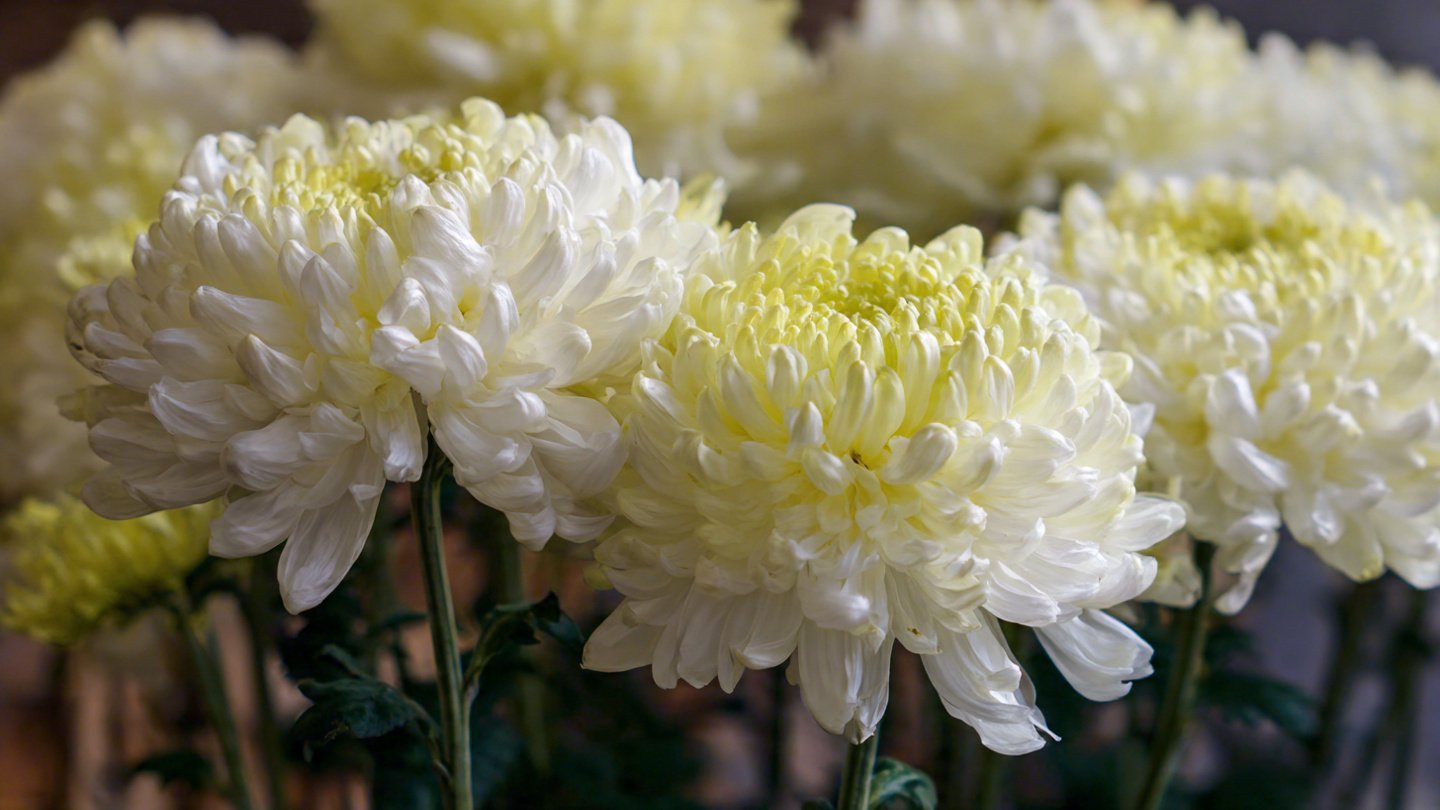
Chrysanthemums, often called “mums,” are among the most popular garden flowers due to their vibrant colors, diverse shapes, and long-lasting blooms. Whether planted in your garden beds, borders, or containers, chrysanthemums can create a dazzling display when properly cared for. One of the most effective ways to ensure lush, bushy growth and abundant blooms is through the practice of pinching.
Pinching, when done correctly, encourages chrysanthemums to produce more lateral shoots, resulting in fuller plants with more flowers. In this article, we’ll explore why pinching is essential, when to do it, how to execute it, and additional care tips to achieve thriving chrysanthemums.
Understanding Chrysanthemums and Their Growth Habit
Chrysanthemums are hardy perennials that grow from buds at the base and along stems. Left unpruned, they tend to grow tall and spindly, producing fewer flowers and an uneven appearance. Pinching is a horticultural technique that removes the terminal bud or shoot tips, redirecting the plant’s energy from vertical growth to the development of lateral branches.
Key points about chrysanthemums:
- Bloom Colors: White, yellow, pink, red, purple, and bi-colored varieties.
- Bloom Time: Typically late summer to fall, depending on the variety.
- Growth Habit: Can be upright, spreading, or bushy, depending on variety and care.
- Sunlight Requirement: Full sun for optimal flower production.
Pinching works best when combined with proper planting, watering, fertilization, and pest management, forming a holistic approach to chrysanthemum care.
Why Pinching Matters
Pinching is not merely cosmetic—it’s essential for maximizing your chrysanthemums’ potential. The benefits include:
- Encourages Bushy Growth
By removing the growing tip, the plant is stimulated to produce side shoots, resulting in a fuller, bushier appearance instead of tall, leggy stems. - More Flower Buds
Lateral shoots eventually produce more flowers. Proper pinching can double or triple the number of blooms. - Stronger Stems
Pinched plants develop thicker, sturdier stems that can support more blooms without bending or breaking. - Controlled Plant Size
Pinching helps maintain a compact and aesthetically pleasing shape, especially important for container gardening or limited garden spaces. - Extended Blooming Season
Encouraging new shoots and buds through pinching can sometimes prolong flowering, providing longer-lasting displays.
Step 1: Knowing When to Pinch
Timing is crucial for successful pinching.
- Start Early: Begin pinching when chrysanthemums are young, about 6–8 inches tall. At this stage, plants are establishing their main stems and can easily produce lateral shoots.
- Repeat Regularly: Continue pinching until mid-summer, roughly 2–3 months before expected bloom time. Pinching too late may prevent flower buds from forming.
- Observe Plant Growth: Look for new shoots emerging at leaf nodes. These are ideal areas for pinching to encourage more lateral growth.
Correct timing ensures chrysanthemums develop a strong, bushy framework well before blooming.
Step 2: How to Pinch Chrysanthemums
Pinching is simple, requiring only your fingers or clean pruning shears.
Technique:
- Identify the Tip: Locate the growing tip of a stem, usually the top 1–3 inches of new growth.
- Pinch or Snip: Using your thumb and forefinger, pinch off the terminal bud just above a leaf node. If using pruning shears, make a clean cut slightly above the node.
- Encourage Lateral Shoots: After pinching, two lateral shoots will emerge from the leaf node below the cut, creating a fuller structure.
- Repeat: Continue this process every 2–3 weeks during the active growing season.
Important Tips:
- Avoid removing more than one-third of the plant at once to prevent stress.
- Always use clean hands or sterilized tools to reduce the risk of disease.
- Monitor for overly tall or leggy stems and target them for pinching to maintain shape.
Step 3: Supporting Chrysanthemums After Pinching
After pinching, the plant will focus energy on producing lateral branches. To maximize the benefits:
- Fertilization: Use a balanced fertilizer (10-10-10 NPK) every 3–4 weeks during the growth phase to provide energy for new shoots.
- Watering: Keep soil evenly moist but avoid waterlogging, as consistent moisture encourages strong, healthy growth.
- Sunlight: Ensure chrysanthemums receive at least 6 hours of direct sunlight daily. Insufficient light can lead to weak, elongated shoots despite pinching.
- Pest Management: Inspect plants regularly for aphids, spider mites, or fungal infections. Healthy plants produce more robust lateral shoots and flowers.
Proper support after pinching ensures chrysanthemums develop full, vibrant foliage and a strong framework for blooms.
Step 4: Staggered Pinching for Continuous Growth
For gardeners seeking continuous, abundant blooms, consider a staggered pinching schedule:
- First Pinch: When the plant reaches 6–8 inches.
- Second Pinch: When lateral shoots grow another 4–6 inches.
- Third Pinch: Optional, depending on plant size and bloom timing.
Staggered pinching delays flowering slightly but produces a denser plant with more flowers, maximizing visual impact in garden beds and containers.
Step 5: Additional Techniques to Enhance Growth
In addition to pinching, other practices can help your chrysanthemums thrive:
- Tipping: Similar to pinching, tipping involves cutting or removing small shoots to shape the plant. Tipping can help manage overly vigorous growth.
- Staking: Large, bushy chrysanthemums may need support to prevent bending under the weight of blooms. Use stakes or cages to maintain structure.
- Deadheading: Remove spent flowers promptly to encourage more blooms and prevent energy from going into seed production.
- Mulching: Apply a thin layer of organic mulch around the base to retain moisture, regulate soil temperature, and suppress weeds.
These techniques, combined with consistent pinching, optimize growth, bloom size, and plant health.
Step 6: Avoiding Common Pinching Mistakes
Even experienced gardeners sometimes make errors when pinching chrysanthemums:
- Pinching Too Late: Can prevent flower buds from forming, reducing bloom quantity.
- Over-Pinching: Removing too many shoots at once stresses the plant and slows growth.
- Ignoring Plant Health: Pinching weak or diseased plants may cause further decline.
- Improper Technique: Crushing stems instead of cleanly pinching above nodes can damage tissues and reduce lateral growth.
Avoiding these mistakes ensures chrysanthemums respond positively, producing lush, full foliage and an abundance of blooms.
Step 7: Seasonal Care for Pinched Chrysanthemums
Chrysanthemums require seasonal adjustments to maintain their health and flowering potential:
- Spring: Begin pinching young shoots and fertilize lightly.
- Summer: Continue regular pinching and provide adequate water and sunlight. Monitor for pests.
- Early Fall: Stop pinching about 2–3 months before bloom to allow flower buds to mature.
- Late Fall/Winter: After flowering, prune back dead stems and protect plants from frost if necessary.
Seasonal care complements pinching, ensuring chrysanthemums bloom at their peak and remain healthy year after year.
Step 8: Benefits of Pinched Chrysanthemums
By mastering pinching techniques, gardeners enjoy several benefits:
- Lush, Bushy Plants: Fuller foliage and a dense structure.
- Abundant Blooms: More lateral shoots produce more flowers.
- Stronger Stems: Plants support heavier flowers without bending.
- Aesthetic Appeal: Compact, symmetrical plants enhance garden design and container displays.
- Extended Display: Properly managed chrysanthemums can produce blooms for longer periods.
Pinching transforms ordinary chrysanthemums into garden showstoppers, creating visual interest and color for months.
Step 9: Container Chrysanthemums and Pinching
Pinching is especially effective for container-grown chrysanthemums:
- Containers restrict root growth, so encouraging lateral shoots ensures bushy growth rather than spindly stems.
- Use smaller pots for young plants and transplant to larger containers as the plant grows.
- Combine pinching with proper drainage, regular fertilization, and staking for compact, vigorous plants ideal for patios or balconies.
Container chrysanthemums respond exceptionally well to pinching, making them perfect for small-space gardeners.
Conclusion
Achieving lush, bushy chrysanthemums with thriving blooms is simple when you understand and apply proper pinching techniques. By removing terminal buds early and consistently, gardeners stimulate lateral shoot growth, resulting in denser plants, more flowers, and stronger stems. Combined with adequate sunlight, watering, fertilization, and pest management, pinching transforms ordinary chrysanthemums into stunning focal points for gardens, patios, or container displays.
Whether you are a beginner or an experienced gardener, mastering the art of pinching will ensure your chrysanthemums look full, healthy, and spectacularly vibrant every season. With patience, regular care, and attention to timing, your garden can be filled with the colorful, fragrant blooms that make chrysanthemums one of the most beloved flowers in any garden.