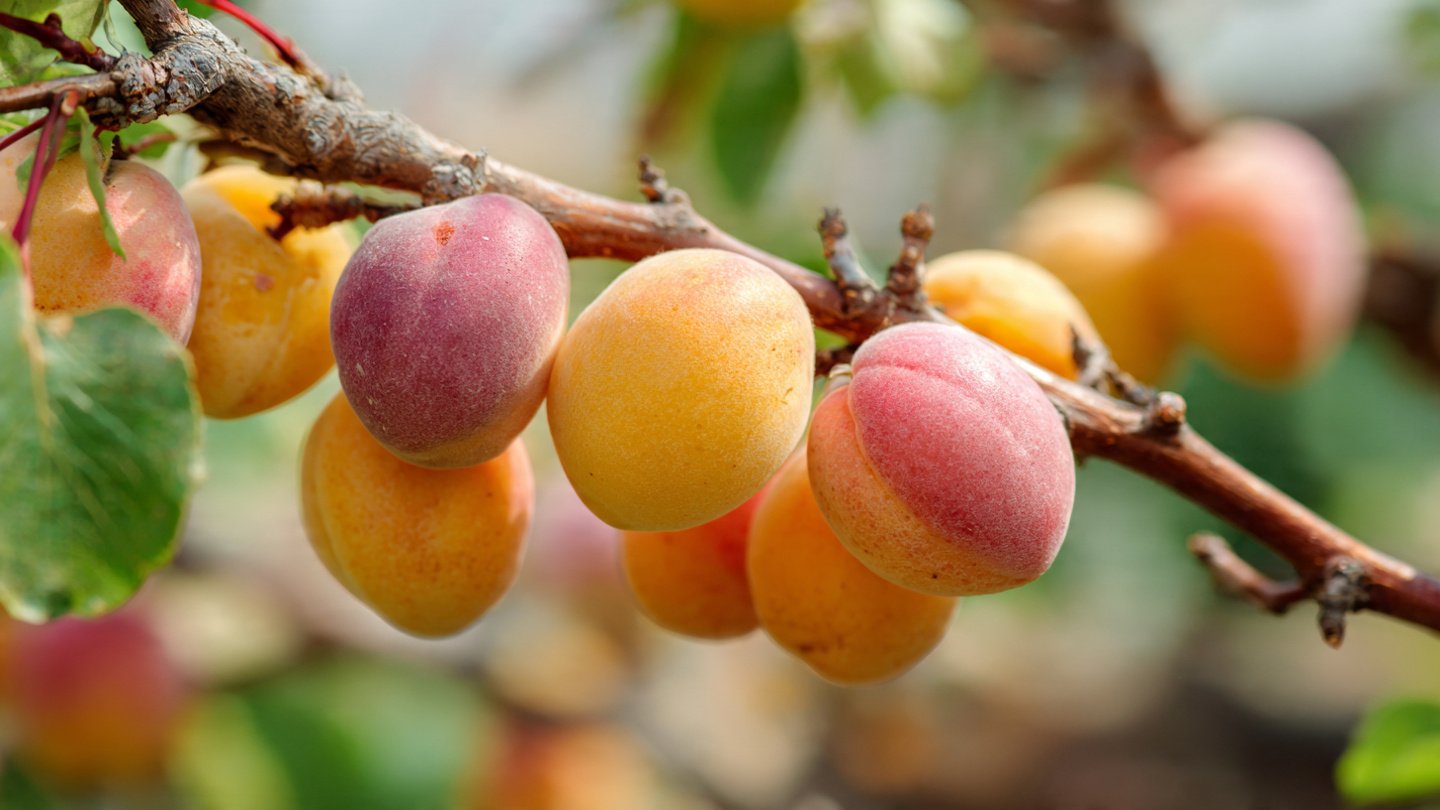
Apricot trees are often associated with warm, sunny regions, but with the right approach, they can thrive even in areas with short summers and cooler growing seasons. Many home gardeners assume apricots are difficult or unsuitable for such climates, but that belief is changing. By choosing the right varieties and following a few simple steps, you can enjoy fresh, homegrown apricots—even where summers feel fleeting.
This guide will walk you through everything you need to know, from selecting the best apricot varieties to protecting blossoms from late frosts, ensuring your tree stays healthy and productive year after year.
Understanding the Challenges of Short Summer Climates
Short summer climates are typically defined by:
- Long, cold winters
- Late spring frosts
- Cooler temperatures during the growing season
- A limited window for fruit ripening
Apricot trees bloom early, which makes them vulnerable to frost damage. However, once these challenges are understood, they can be managed effectively with smart planning.
Choosing the Right Apricot Variety Is the Key
Success starts with selecting cold-hardy and early-ripening apricot varieties. Not all apricot trees are created equal, and choosing the wrong type can lead to years of disappointment.
Look for varieties that:
- Require fewer heat units to ripen fruit
- Have delayed blooming to avoid spring frosts
- Are bred for cold or temperate climates
Popular cold-tolerant apricot varieties include:
- ‘Moorpark’
- ‘Tilton’
- ‘Harcot’
- ‘Goldcot’
- ‘Scout’
Local nurseries are often the best source, as they carry varieties proven to perform well in your specific region.
Selecting the Best Location in Your Garden
In short summer climates, microclimate selection makes a huge difference.
Ideal planting location:
- Full sun (at least 6–8 hours daily)
- South-facing or southwest-facing exposure
- Slight slope for cold air drainage
- Shelter from strong winds
Avoid low-lying areas where cold air settles, as frost damage is more likely there.
Soil Preparation for Strong Roots and Healthy Growth
Apricot trees prefer well-draining soil, which is especially important in cooler climates where wet soil can lead to root rot.
Best soil conditions:
- Loamy or sandy-loam soil
- pH between 6.0 and 7.5
- Rich in organic matter
Before planting:
- Loosen soil at least 18–24 inches deep
- Mix in compost or well-rotted manure
- Avoid heavy clay unless amended for drainage
Healthy roots help trees establish quickly and make better use of a short growing season.
Planting Apricot Trees the Right Way
Timing is crucial in short summer regions.
Best planting time:
- Early spring after the ground thaws
- Avoid fall planting in very cold regions
Planting steps:
- Dig a hole twice as wide as the root ball
- Place the tree so the graft union is above soil level
- Backfill with native soil mixed with compost
- Water thoroughly to remove air pockets
- Mulch lightly, keeping mulch away from the trunk
Proper planting gives the tree a strong start before the short growing window begins.
Protecting Blossoms from Late Spring Frosts
Late spring frost is one of the biggest threats to apricot production in short summer climates.
Simple frost protection methods:
- Cover trees with frost cloth or old bedsheets overnight
- Use mulch to stabilize soil temperature
- Water soil before frost to retain heat
- Plant near walls or fences that reflect warmth
Even a few degrees of protection can save blossoms and ensure fruit set.
Smart Watering for Cooler Growing Seasons
Apricot trees need consistent moisture, especially during fruit development, but overwatering can be harmful.
Watering tips:
- Water deeply but infrequently
- Allow soil to dry slightly between watering
- Increase watering during dry spells
- Reduce watering as fruit matures
Drip irrigation works particularly well in short summer climates by delivering moisture directly to the roots.
Feeding Apricot Trees Without Overdoing It
Excess fertilizer can encourage leafy growth at the expense of fruit—especially problematic in short summers.
Best fertilizing practices:
- Apply compost annually in early spring
- Use balanced fertilizer sparingly
- Avoid high-nitrogen fertilizers late in the season
Healthy, moderate growth ensures energy goes into fruit production before the season ends.
Pruning for Faster Fruit Ripening
Pruning helps control size, improves airflow, and allows sunlight to reach developing fruit.
Pruning tips for short summers:
- Prune in late winter or early spring
- Remove dead, damaged, or crossing branches
- Keep an open center or vase shape
- Limit excessive summer pruning
Good light penetration speeds up fruit ripening, which is essential when summers are short.
Managing Pests and Diseases Naturally
Cool climates can still attract pests and fungal diseases if conditions are damp.
Common issues include:
- Aphids
- Borers
- Brown rot
- Leaf curl
Prevention tips:
- Maintain good airflow through pruning
- Clean fallen leaves and fruit
- Use neem oil or horticultural oil if needed
- Avoid overhead watering
Healthy trees are far more resistant to pests and disease.
Thinning Fruit for Better Quality and Faster Ripening
It may feel counterintuitive, but thinning fruit is essential in short summer climates.
Why thinning helps:
- Larger, sweeter fruit
- Reduced stress on the tree
- Faster ripening before cool weather returns
Thin fruit when they are marble-sized, leaving about 3–4 inches between fruits.
Harvesting Apricots at the Right Time
Apricots ripen quickly once ready, so timing is important.
Signs of ripeness:
- Golden-orange color
- Slight softness when gently pressed
- Easy separation from the branch
- Sweet aroma
Harvest promptly to prevent spoilage or damage from birds.
Winter Protection for Long-Term Success
Preparing apricot trees for winter ensures survival and productivity in future seasons.
Winter care tips:
- Mulch root zone after ground freezes
- Wrap young trunks to prevent frost cracks
- Protect from rodents
- Avoid late-season fertilization
Healthy overwintering leads to stronger spring growth.
Final Thoughts
Growing apricot trees in short summer climates may seem challenging, but it’s far from impossible. With the right variety, thoughtful placement, proper care, and a little patience, home gardeners can enjoy delicious apricots straight from their own backyard.
By focusing on early ripening, frost protection, good soil, and smart pruning, you turn limited summer warmth into a successful harvest. Each season, your experience grows—along with your tree’s productivity.
A short summer doesn’t mean short rewards. With these simple steps, apricot trees can thrive and bring beauty, shade, and flavorful fruit to your home garden for years to come.