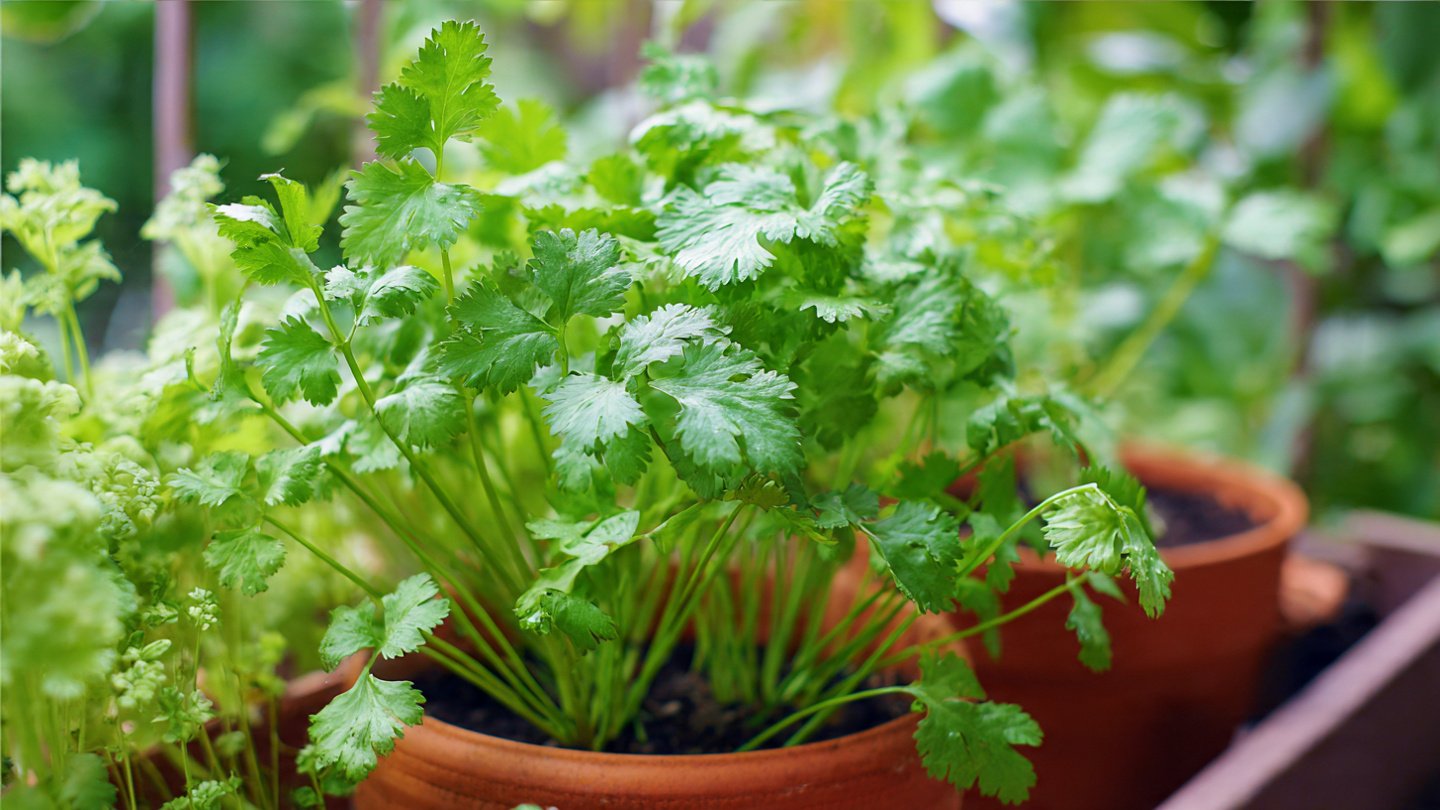
Coriander (Coriandrum sativum), also known as cilantro or dhania, is one of the most popular herbs worldwide, especially in warm regions. While it thrives best in mild temperatures, many gardeners struggle to grow coriander during hot weather due to premature bolting, poor leaf growth, and weak flavor. The good news is that with the right techniques, you can successfully grow lush, flavorful coriander even in high temperatures.
This ultimate guide covers everything you need to know—from seed selection and soil preparation to watering, shading, and harvesting—so you can enjoy fresh coriander throughout hot seasons.
Understanding Coriander’s Heat Sensitivity
Coriander is a cool-season herb by nature. When temperatures rise above 30°C (86°F), the plant tends to bolt quickly, meaning it produces flowers and seeds instead of leafy growth. This shortens the harvest window and reduces leaf quality.
Key heat-related challenges include:
- Fast bolting
- Bitter or weak flavor
- Poor germination
- Wilting and leaf scorch
Knowing these challenges helps you plan strategies to overcome them.
Choosing the Right Coriander Variety for Hot Weather
Selecting the right variety is the first and most important step. Some coriander types are more heat-tolerant and slower to bolt.
Recommended heat-tolerant varieties include:
- Slow Bolt Coriander
- Santo or Leisure varieties
- Indian desi coriander seeds (often more adaptable to heat)
Always choose fresh, high-quality seeds from a reliable source, as older seeds have poor germination in hot weather.
Best Time to Sow Coriander in Hot Climates
Timing is crucial when growing coriander in warm conditions.
Ideal sowing times:
- Early morning or late evening
- Early spring or late summer in extremely hot regions
- Avoid peak summer afternoons
If daytime temperatures are very high, sow seeds when nights are cooler to improve germination success.
Preparing Seeds for Better Germination
Coriander seeds are actually dried fruits containing two seeds inside a hard shell. Proper preparation significantly improves germination.
Seed preparation steps:
- Gently crush seeds to split them into halves.
- Soak seeds in water for 12–24 hours.
- Drain and dry them slightly before sowing.
This process softens the seed coat and speeds up germination, especially in warm soil.
Soil Preparation: Keeping Roots Cool
Coriander grows best in loose, well-draining soil that retains moisture without becoming waterlogged.
Ideal soil mix:
- Garden soil – 40%
- Compost or vermicompost – 30%
- Coco peat or sand – 30%
The soil should be rich in organic matter to maintain moisture and keep roots cool during hot days. Avoid heavy clay soils, which trap heat and restrict root growth.
Choosing the Right Location
Location plays a huge role in hot weather success.
Best location tips:
- Partial sunlight (4–6 hours daily)
- Morning sun and afternoon shade
- Balcony corners, under shade nets, or near taller plants
Avoid full afternoon sun, as intense heat causes bolting and leaf burn.
Watering Strategy for Hot Weather
Coriander needs consistent moisture, especially in heat. However, overwatering can cause root rot.
Watering guidelines:
- Water daily during extreme heat
- Keep soil consistently moist, not soggy
- Use a spray or gentle watering can
- Water early morning or late evening
Mulching helps retain moisture and reduces soil temperature.
Mulching: A Secret Weapon Against Heat
Mulch acts as insulation, protecting soil from direct heat and reducing evaporation.
Best mulching materials:
- Dry grass
- Straw
- Coconut husk
- Dried leaves
Apply a thin layer around plants after seedlings emerge. Mulching can reduce soil temperature by several degrees, extending the leafy growth phase.
Spacing and Thinning for Better Airflow
Crowded coriander plants bolt faster and grow weak in hot weather.
Spacing tips:
- Maintain 5–7 cm spacing between plants
- Thin seedlings once they reach 5–6 cm height
- Good airflow reduces heat stress and disease risk
Proper spacing also encourages bushier growth.
Feeding Coriander in Hot Conditions
Coriander is a light feeder but benefits from gentle, regular nutrition.
Best fertilizers:
- Vermicompost every 10–15 days
- Liquid compost tea
- Seaweed or fish emulsion (diluted)
Avoid excessive nitrogen, which encourages rapid growth followed by quick bolting.
Using Shade to Prevent Bolting
Shading is one of the most effective methods to grow coriander in hot weather.
Shading options:
- 35–50% shade net
- Growing near taller vegetables
- Using cloth or bamboo screens
Shade reduces temperature stress and allows plants to focus on leaf production rather than flowering.
Succession Sowing for Continuous Harvest
Instead of sowing all seeds at once, practice succession sowing.
How it works:
- Sow a small batch every 10–15 days
- Ensures continuous harvest
- Reduces risk of total crop failure
This technique is especially useful in hot climates where plants have shorter lifespans.
Pest and Disease Management in Heat
Hot weather encourages pests like aphids and mites.
Prevention tips:
- Neem oil spray every 7–10 days
- Good airflow and spacing
- Avoid overwatering
Healthy, stress-free plants are naturally more resistant to pests.
Harvesting Coriander the Right Way
Proper harvesting extends plant life and improves yield.
Harvesting tips:
- Start harvesting when plants reach 15–20 cm
- Cut outer leaves first
- Never remove more than one-third of the plant at once
Frequent light harvesting delays bolting and promotes bushy growth.
Common Mistakes to Avoid
- Growing in full afternoon sun
- Using heavy or dry soil
- Irregular watering
- Over-fertilizing
- Ignoring shade requirements
Avoiding these mistakes greatly improves success rates in hot weather.
Growing Coriander in Containers During Heat
Containers allow better control over soil, moisture, and location.
Container tips:
- Use wide, shallow pots (6–8 inches deep)
- Ensure proper drainage
- Move pots to shaded areas during heatwaves
Containers are ideal for balconies, terraces, and small spaces.
Final Thoughts
Growing coriander in hot weather may seem challenging, but with the right techniques, it’s absolutely achievable. Choosing heat-tolerant varieties, providing partial shade, maintaining consistent moisture, and practicing succession sowing are the keys to success.
By understanding coriander’s natural behavior and adapting your gardening methods, you can enjoy fresh, aromatic coriander leaves even during the hottest months. With a little care and smart planning, your coriander plants will reward you with continuous harvests and exceptional flavor—no matter how high the temperature rises.