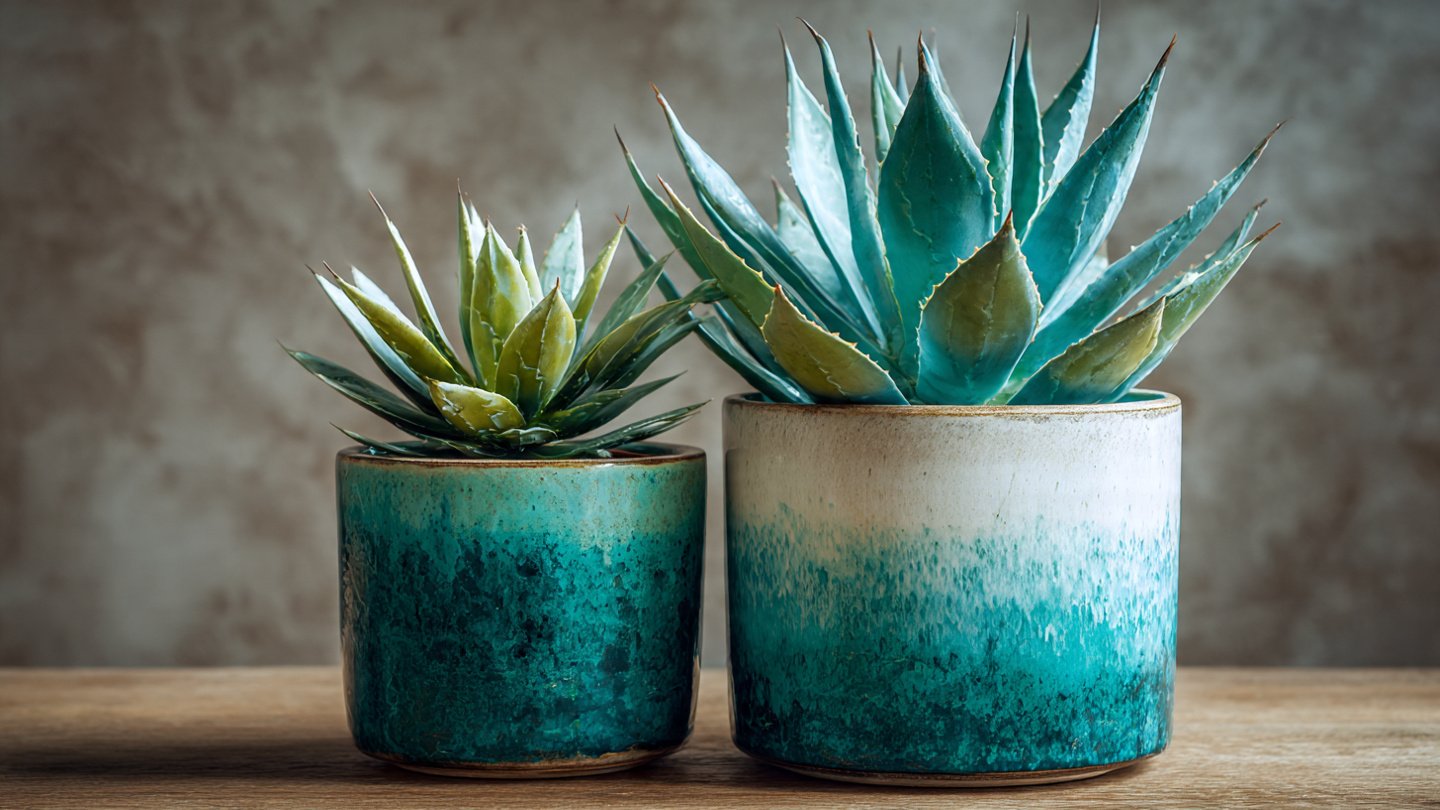
Agave plants are more than just succulents—they are living sculptures. With bold rosettes, architectural leaves, and incredible resilience, agaves instantly transform gardens, balconies, patios, and even indoor spaces into striking visual statements. Whether you live in a hot, dry climate or want a low-maintenance plant for a sunny corner, agave is an excellent choice.
In this guide, you’ll discover everything you need to know to successfully cultivate agave as a statement plant, from choosing the right variety to planting, caring, and styling it in any space.
Why Agave Makes the Perfect Statement Plant
Agave stands out for several reasons:
- Dramatic form: Symmetrical rosettes and spiky leaves create instant impact.
- Low maintenance: Once established, agave requires minimal care.
- Drought tolerance: Ideal for water-wise gardens and busy lifestyles.
- Versatility: Grows well in the ground, pots, patios, and indoors.
- Longevity: Many agaves live for decades before flowering.
Because of these qualities, agave is often used as a focal point in modern landscapes, minimalist gardens, and contemporary interiors.
Step 1: Choose the Right Agave Variety
Not all agaves are the same. Selecting the right type for your space is the foundation of success.
Popular Agave Varieties for Home Growing
- Agave americana: Large, dramatic, perfect for outdoor landscapes.
- Agave attenuata: Soft-edged, spineless leaves, great for patios and indoors.
- Agave victoriae-reginae: Compact and symmetrical, ideal for containers.
- Agave parryi: Cold-hardy and excellent for rock gardens.
- Agave tequilana: Famous for tequila, but also striking in sunny gardens.
Tip: For small spaces or indoor settings, choose compact or spineless varieties to avoid injuries and overcrowding.
Step 2: Understand Agave’s Light Requirements
Agave loves sunlight. Proper lighting ensures healthy growth and vibrant leaf color.
- Outdoor agave: Full sun to partial shade (6–8 hours of sunlight daily).
- Indoor agave: Bright light near a south- or west-facing window.
- Low-light warning: Insufficient light leads to stretched, weak growth.
If growing indoors, rotate the pot every few weeks so the plant grows evenly.
Step 3: Use the Right Soil for Healthy Roots
Agave roots hate sitting in moisture. Well-draining soil is essential.
Best Soil Mix for Agave
- Commercial cactus or succulent mix
- Or DIY mix:
- 50% coarse sand or perlite
- 25% garden soil
- 25% compost or coco coir
Avoid heavy clay soil, as it traps water and causes root rot.
Step 4: Planting Agave the Right Way
Planting in the Ground
- Choose a sunny, well-drained spot.
- Dig a hole slightly wider than the root ball.
- Place the agave at the same depth it was growing before.
- Backfill with well-draining soil.
- Water lightly to settle the soil.
Planting in Containers
- Select a pot with drainage holes.
- Use a gritty, fast-draining soil mix.
- Place gravel at the bottom for added drainage.
- Plant the agave and leave space around the base.
- Water sparingly.
Container tip: Clay or terracotta pots help excess moisture evaporate faster.
Step 5: Watering Agave Without Overdoing It
Agave is drought-tolerant, but young plants need some care.
- Newly planted agave: Water once a week for the first month.
- Established plants: Water every 2–3 weeks during warm months.
- Winter: Water sparingly or not at all if temperatures are cool.
Always let the soil dry completely between watering. Overwatering is the most common cause of agave failure.
Step 6: Fertilizing—Less Is More
Agave thrives in low-nutrient environments.
- Fertilize once or twice a year during spring or early summer.
- Use a diluted cactus or succulent fertilizer.
- Avoid high-nitrogen fertilizers—they cause weak, floppy growth.
In many cases, agave grows beautifully without any fertilizer at all.
Step 7: Temperature and Climate Considerations
Agave prefers warm, dry conditions but some varieties are surprisingly cold-hardy.
- Ideal temperature: 18–35°C (65–95°F)
- Cold tolerance: Some species tolerate light frost.
- Indoor protection: Move potted agave indoors during extreme cold.
If you live in a cold climate, container growing allows flexibility and protection.
Step 8: Pruning and Maintenance
Agave requires minimal grooming.
- Remove dead or damaged leaves using clean, sharp tools.
- Wear gloves—many agaves have sharp spines.
- Avoid cutting healthy leaves, as this disrupts the plant’s symmetry.
Over time, some agaves produce offsets (pups) at the base. These can be removed and replanted to grow new plants.
Step 9: Dealing With Pests and Problems
Agave is hardy but not completely pest-free.
Common Issues
- Agave snout weevil: Causes sudden plant collapse.
- Mealybugs: Appear as white cottony clusters.
- Root rot: Caused by excess moisture.
Solutions
- Improve drainage and reduce watering.
- Remove pests manually or use neem oil.
- Isolate infected plants to prevent spread.
Healthy agaves grown in proper conditions rarely face serious problems.
Step 10: Styling Agave as a Statement Plant
Agave shines when styled intentionally.
Outdoor Styling Ideas
- Use agave as a focal point in rock gardens.
- Pair with gravel, stones, or contrasting groundcovers.
- Combine with ornamental grasses or cacti for a desert look.
Indoor and Patio Styling
- Place a single agave in a bold planter for a minimalist vibe.
- Use neutral or textured pots to highlight leaf structure.
- Position near windows, entrances, or corners that need drama.
One well-placed agave often makes more impact than multiple smaller plants.
Flowering: A Rare and Spectacular Event
Agave is monocarpic—it flowers once at the end of its life.
- Flowering can take 10–30 years, depending on the species.
- The flower stalk can grow several meters tall.
- After flowering, the main plant dies, but often leaves pups behind.
While bittersweet, flowering is a spectacular natural event worth celebrating.
Final Thoughts
Cultivating agave as a statement plant is surprisingly simple. With the right variety, proper drainage, plenty of sunlight, and minimal watering, agave rewards you with bold beauty and long-lasting impact. Whether placed in a modern living room, a sunny balcony, or a desert-inspired garden, agave adds structure, elegance, and character to any space.
If you’re looking for a plant that combines strength, style, and simplicity, agave is the perfect choice—proof that sometimes, less really is more.