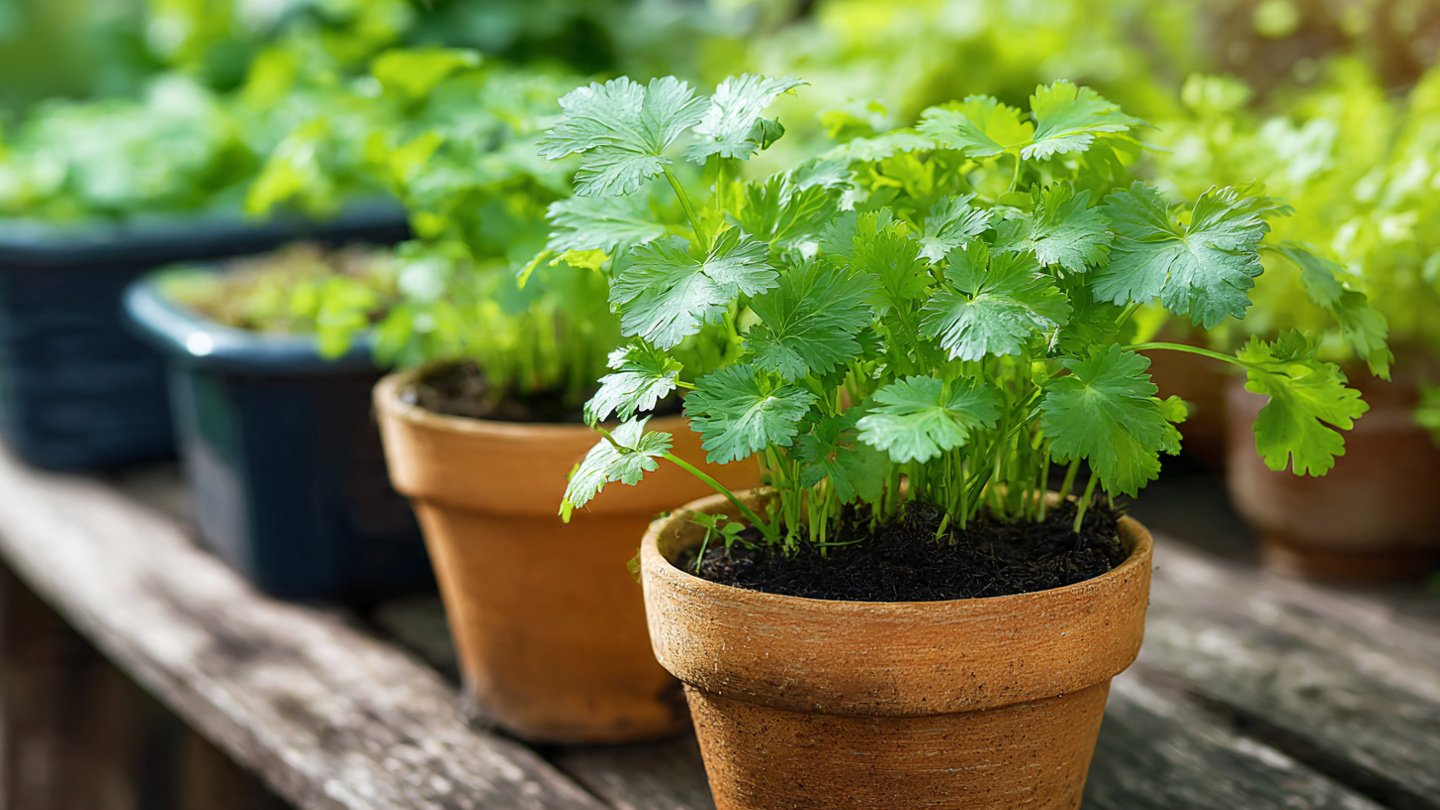
Coriander, also known as cilantro or Chinese parsley, is a beloved herb in kitchens around the world. Its fresh, aromatic leaves elevate salsas, salads, curries, and countless other dishes, while its seeds add a warm, citrusy flavor to spice mixes. Growing coriander at home is not only rewarding but also surprisingly easy, even if you have limited space. Small pots and container gardening make it possible to cultivate fresh coriander right on your balcony, kitchen windowsill, or small backyard garden.
In this ultimate guide, we’ll walk you through every aspect of successfully growing coriander in small pots, from selecting the right container to harvesting and caring for your plants.
Why Grow Coriander in Small Pots?
Coriander is well-suited to container gardening because it has a compact root system and thrives in controlled conditions. Growing coriander in pots offers several benefits:
- Space efficiency: Perfect for urban gardens, balconies, and patios.
- Freshness: Harvest leaves as needed, ensuring maximum flavor.
- Pest control: Small containers are easier to monitor and protect from pests.
- Year-round cultivation: Indoors or in shaded outdoor areas, coriander can grow continuously with proper care.
By choosing pots, you also gain control over soil quality, drainage, and watering, which are essential for healthy coriander growth.
Selecting the Right Coriander Variety
Coriander comes in a few varieties, each with distinct characteristics:
- Santo Coriander – Fast-growing, high leaf yield, ideal for small pots.
- Caribe Coriander – Heat-tolerant, produces flavorful leaves in warm climates.
- Calypso Coriander – Compact growth, suitable for indoor containers.
For pot cultivation, choose varieties that are compact and bolt-resistant, as these will thrive better in small spaces and produce leaves for longer periods.
Choosing the Perfect Pot
Container choice is crucial for coriander success. Consider the following:
- Size: Minimum 6–8 inches deep; a wider pot (10–12 inches) allows multiple plants.
- Material: Terracotta, ceramic, or plastic are all suitable. Terracotta is breathable but dries quickly, while plastic retains moisture longer.
- Drainage: Ensure your pot has multiple drainage holes to prevent waterlogging, which can cause root rot.
A well-chosen pot ensures healthy root growth and prevents common container gardening problems.
Soil Requirements
Coriander prefers loose, fertile, well-draining soil. You can create an ideal mix with:
- 50% good-quality potting soil
- 25% organic compost
- 25% perlite or coarse sand for drainage
The soil should be slightly acidic to neutral (pH 6–7) and rich in organic matter to encourage strong leaf growth. Avoid heavy clay soils, which retain too much water and inhibit root development.
Planting Coriander Seeds in Pots
Coriander is best grown from seeds, and here’s how to plant them successfully:
- Seed Preparation: Soak seeds in water for 12–24 hours to improve germination.
- Filling the Pot: Fill your pot with the prepared soil mix, leaving 1 inch from the top.
- Sowing Seeds: Sow seeds about ¼ inch deep. Space them 1–2 inches apart to prevent overcrowding.
- Watering: Lightly water the soil after sowing to moisten it without washing away seeds.
- Germination: Keep the pot in a warm, sunny spot. Seeds typically germinate in 7–10 days.
Tip: Coriander grows best in cool weather, as high temperatures can cause it to bolt (flower prematurely), reducing leaf yield.
Light and Temperature Requirements
Coriander needs full sun or partial shade to thrive:
- Sunlight: At least 4–6 hours of direct sunlight daily. Indoors, place the pot near a south-facing window.
- Temperature: Ideal range is 50–85°F (10–29°C). Hot summer temperatures can cause bolting; move the pot to a shaded spot or indoors if needed.
Consistent light and moderate temperatures help maintain leafy growth and delay flowering, extending the harvest period.
Watering Guidelines
Proper watering is crucial for coriander success:
- Keep soil consistently moist, but not waterlogged.
- Water gently to avoid disturbing seeds or young seedlings.
- During hot weather, water more frequently to prevent drying.
Tip: Check the top inch of soil; if it feels dry, it’s time to water. Overwatering can lead to root rot, while under-watering can stunt growth.
Fertilizing Coriander in Pots
Coriander is a light feeder, but pot-grown plants benefit from regular nutrition:
- Organic fertilizers: Use compost tea, liquid seaweed, or diluted fish emulsion every 2–3 weeks.
- Balanced NPK fertilizer: A mild nitrogen-rich fertilizer encourages leaf growth. Avoid excessive nitrogen, which can reduce flavor intensity.
Consistent but moderate feeding ensures healthy, flavorful leaves and prevents nutrient deficiencies.
Thinning and Pruning
Thinning seedlings improves growth and airflow:
- Once seedlings develop 2–3 true leaves, thin them to 1–2 inches apart for smaller pots, or 3–4 inches apart for larger containers.
- Remove weak or crowded seedlings to prevent competition for nutrients.
- Pruning older leaves promotes new growth and keeps the plant productive.
Regular trimming encourages bushy growth, increasing leaf yield over time.
Pest and Disease Management
Coriander is relatively pest-resistant, but container plants can occasionally face issues:
- Aphids and whiteflies: Spray with a mild soap solution or neem oil.
- Fungal diseases: Avoid waterlogging, ensure good drainage, and provide airflow.
- Root rot: Caused by excessive watering; prevent with proper pot drainage and soil mix.
Maintaining cleanliness and monitoring the pot regularly reduces pest and disease problems.
Harvesting Coriander
Coriander can be harvested in multiple stages:
- Leaf Harvest: Begin picking leaves when the plant is 4–6 inches tall. Cut outer leaves first, leaving inner leaves to continue growing.
- Succession Harvest: Sow new seeds every 2–3 weeks to ensure a continuous supply of fresh leaves.
- Seed Harvest: If you want coriander seeds, allow some plants to flower and set seed. Once the seeds turn brown and dry, collect them for culinary use or future planting.
Tip: Harvest in the morning for maximum aroma and flavor, as essential oils are highest at this time.
Extending the Growing Season
Coriander in pots allows for year-round cultivation with a few adjustments:
- Move pots indoors during frost or extreme heat.
- Supplement light with fluorescent or LED grow lights during winter months.
- Maintain consistent moisture and temperature indoors for steady growth.
Container growing offers flexibility that traditional garden beds cannot, ensuring fresh coriander even in urban apartments.
Common Mistakes to Avoid
- Overcrowding: Planting too many seeds in a small pot reduces airflow and leaf size.
- Excessive watering: Leads to root rot and weak plants.
- Neglecting sunlight: Insufficient light causes legginess and slow growth.
- Ignoring succession planting: Coriander grows fast but also bolts quickly; sow seeds regularly for continuous harvest.
- Over-fertilizing: Too much nitrogen produces large leaves but reduces flavor intensity.
Avoiding these mistakes ensures healthy, flavorful, and productive coriander plants in your home garden.
Tips for Maximizing Leaf Yield
- Regular trimming: Promotes new leaf growth.
- Adequate spacing: Ensures leaves get sunlight and airflow.
- Consistent care: Water, feed, and check for pests regularly.
- Succession planting: Keep fresh seedlings ready to replace bolting plants.
With these strategies, a small pot can provide a continuous supply of fresh coriander leaves for months.
Conclusion
Growing coriander in small pots is a perfect solution for home gardeners, balcony growers, and urban dwellers who crave fresh, flavorful herbs. With the right variety, soil, pot, and care, you can enjoy a continuous supply of aromatic leaves and even seeds for cooking. The key lies in understanding coriander’s needs: consistent moisture, moderate temperatures, sufficient sunlight, and careful pruning or harvesting.
By mastering container cultivation, you transform your small space into a mini herb garden, providing fresh coriander for everyday meals and adding greenery to your home. Whether you’re a beginner or an experienced gardener, following this guide ensures healthy, robust, and flavorful coriander plants, proving that you don’t need a large garden to enjoy the delights of homegrown herbs.
So grab a pot, select your favorite coriander variety, and start cultivating your very own potted coriander garden today—your kitchen and taste buds will thank you!