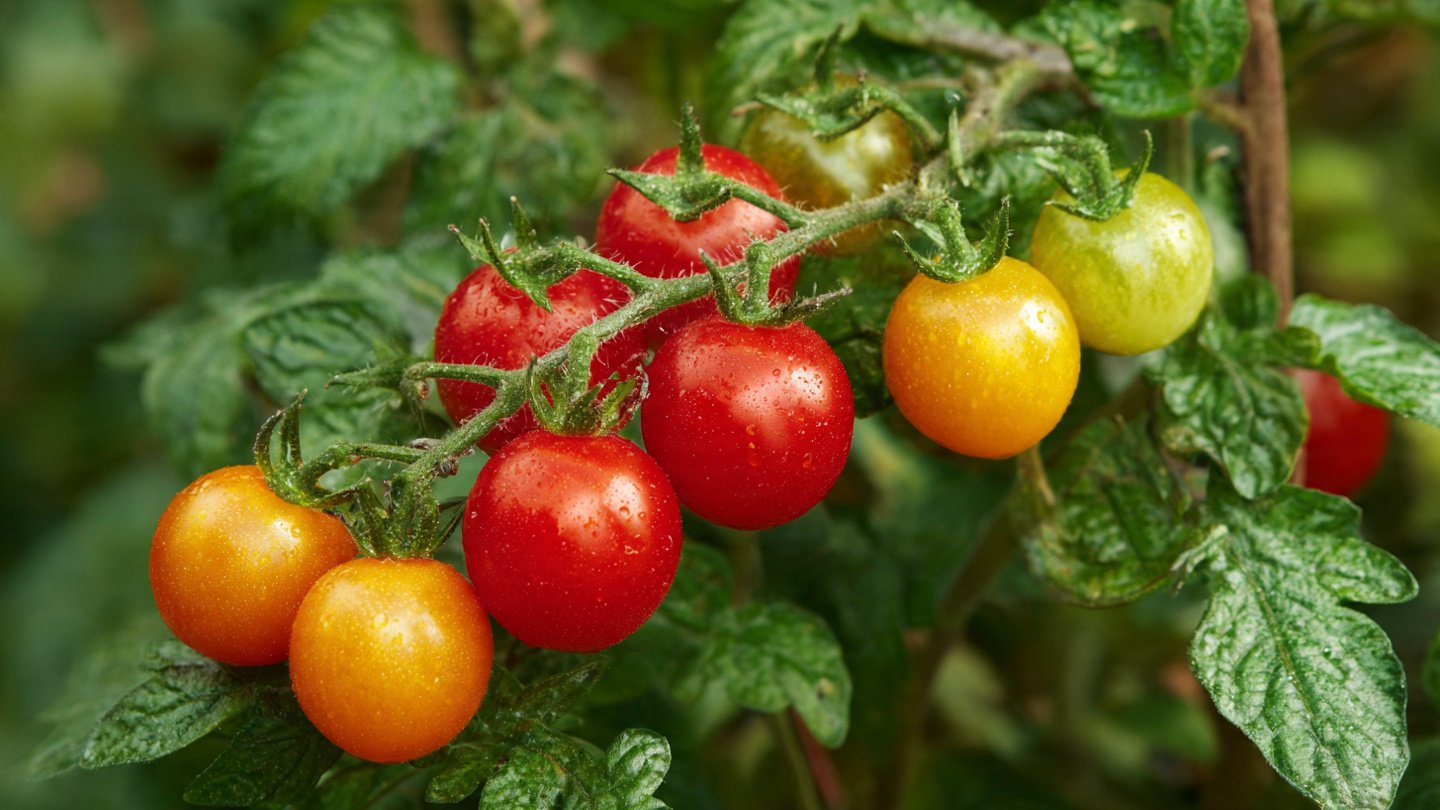
Cherry tomatoes are the perfect combination of convenience, flavor, and visual appeal for any garden. Their small size belies their potential to produce abundant harvests, making them a favorite among beginner and experienced gardeners alike. With the right care, even a modest balcony or backyard space can yield trays full of sweet, juicy cherry tomatoes throughout the growing season. This guide will walk you through everything you need to know to grow cherry tomatoes successfully — from choosing the right varieties to harvesting your first delicious fruits.
Why Grow Cherry Tomatoes?
Cherry tomatoes are popular for several reasons:
- High yield from small plants: Unlike larger tomato varieties, cherry tomato plants can produce dozens, sometimes hundreds, of fruits per plant.
- Fast-growing: Many cherry tomato varieties mature quickly, giving you an early and extended harvest.
- Versatile in cooking: Perfect for salads, roasting, snacking, or sauces.
- Compact size: Suitable for small gardens, patios, and containers.
Their ease of growth, coupled with the sheer joy of snacking straight from the vine, makes cherry tomatoes a must-have for gardeners of all levels.
Selecting the Right Cherry Tomato Variety
Choosing the right variety is the first step toward a bountiful harvest. There are two main types of cherry tomatoes:
- Determinate (bush) varieties
- Grow to a certain height and produce a single, concentrated crop.
- Ideal for small spaces or container gardening.
- Examples: ‘Tiny Tim’, ‘Balcony’, ‘Bush Early Girl’.
- Indeterminate (vining) varieties
- Continue growing and producing fruit throughout the season.
- Require staking, cages, or trellises for support.
- Examples: ‘Sungold’, ‘Sweet 100’, ‘Black Cherry’.
Consider your space, climate, and preference for continuous versus single harvests when selecting varieties.
Starting Seeds Indoors
For the best start, cherry tomato seeds should be sown indoors 6–8 weeks before the last expected frost.
Steps to Start Seeds Indoors:
- Choose a seed tray or small pots with drainage holes.
- Use a light, well-draining seed-starting mix rather than garden soil.
- Plant seeds 1/4 inch deep and lightly cover with soil.
- Keep the soil moist but not waterlogged.
- Provide warmth and light: Tomato seeds germinate best at 70–80°F. A sunny windowsill or grow lights works perfectly.
- Thin seedlings: Once sprouts have two sets of true leaves, thin them to one per cell to encourage strong growth.
Healthy seedlings are the foundation for productive cherry tomato plants.
Transplanting Seedlings Outdoors
After the last frost and once seedlings are 6–8 inches tall, they can be transplanted outdoors. Harden off seedlings by gradually exposing them to outdoor conditions over 7–10 days.
Planting Tips:
- Choose a sunny location: Cherry tomatoes need 6–8 hours of direct sunlight daily.
- Space appropriately: Indeterminate varieties require 2–3 feet between plants; determinate varieties can be closer.
- Plant deeply: Bury the plant up to its first set of true leaves to encourage strong root growth.
- Mulch: Apply organic mulch like straw or shredded leaves to retain moisture and suppress weeds.
Proper planting ensures healthy root systems and stronger plants ready to produce abundant fruit.
Supporting Your Plants
Cherry tomato plants, especially indeterminate varieties, require support to keep vines off the ground:
- Stakes: Simple stakes with ties work for individual plants.
- Cages: Wire tomato cages provide support for bushy plants.
- Trellises: Vertical trellising maximizes space, especially in small gardens.
Supporting plants prevents fruit from touching the soil, reducing disease and encouraging better airflow around the foliage.
Watering and Feeding Cherry Tomatoes
Consistent care is key to high yields.
Watering:
- Deep, regular watering encourages strong roots.
- Avoid wetting the foliage to reduce the risk of fungal diseases.
- Water early in the morning so leaves dry quickly and plants are hydrated for the day.
Feeding:
- Cherry tomatoes are nutrient-hungry.
- Start feeding with a balanced liquid fertilizer once fruits begin to form.
- Switch to a fertilizer higher in potassium to promote fruiting over leafy growth.
Consistent water and nutrient supply prevent blossom end rot, leaf yellowing, and poor fruit development.
Pruning for Maximum Yield
Pruning is often overlooked but can significantly boost your harvest:
- Remove suckers: Small shoots that grow between the main stem and branches divert energy from fruit production.
- Trim lower leaves: Removing the bottom 6–8 inches of foliage prevents soil-borne diseases.
- Support air circulation: Well-pruned plants are less prone to mildew and produce larger, healthier fruits.
Pruning ensures the plant focuses its energy on fruit rather than excess foliage.
Pest and Disease Management
Cherry tomatoes are relatively hardy, but common pests and diseases include:
- Aphids and whiteflies: Spray with insecticidal soap or introduce beneficial insects like ladybugs.
- Blight and mildew: Avoid overhead watering, ensure proper spacing, and rotate crops annually.
- Tomato hornworms: Handpick or use organic deterrents like neem oil.
Healthy soil, consistent watering, and good sunlight exposure make cherry tomato plants more resilient to problems.
Harvesting Cherry Tomatoes
One of the most rewarding parts of growing cherry tomatoes is picking ripe fruit:
- Fruits are ready when fully colored — red, yellow, orange, or even purple, depending on the variety.
- Gently twist or snip the fruit to avoid damaging the plant.
- Harvest frequently to encourage continuous production.
Indeterminate varieties continue producing fruit as long as the plant remains healthy, sometimes well into the late summer or early fall.
Extending Your Harvest
Several strategies can help you enjoy cherry tomatoes longer:
- Container gardening: Move pots indoors or under a greenhouse during cooler months.
- Succession planting: Start new seeds every few weeks to stagger harvests.
- Pruning and staking: Keep plants healthy to prolong fruiting.
With careful planning, a single plant can provide months of snacking, salads, and cooking ingredients.
Tips for Backyard, Balcony, and Indoor Gardens
Cherry tomatoes are versatile and can thrive in various settings:
- Backyard gardens: Use raised beds with rich, well-drained soil for maximum yield.
- Balconies and patios: Grow in containers with deep soil and regular feeding.
- Indoor gardens: Provide grow lights and ensure adequate ventilation for fruiting indoors.
No matter your space, cherry tomatoes adapt well, making them ideal for gardeners with limited room.
Fun Ways to Enjoy Your Cherry Tomato Harvest
- Fresh salads: Slice or halve for instant flavor.
- Roasting: Roast with olive oil and herbs for a sweet, concentrated flavor.
- Snacking: Cherry tomatoes make a healthy and convenient snack.
- Sauces and salsas: Cook down or blend for quick homemade recipes.
Growing cherry tomatoes is not just about gardening — it’s about enjoying fresh, flavorful food directly from your plants.
Conclusion
Cherry tomatoes prove that small plants can deliver big rewards. By choosing the right variety, providing proper sunlight, water, and nutrients, supporting and pruning plants, and managing pests effectively, you can enjoy a plentiful harvest season after season.
Even a beginner gardener can succeed by following this foolproof guide — from seed to ripe, juicy fruit. With patience, consistency, and care, cherry tomato plants can transform any garden or balcony into a fruitful, vibrant space full of natural sweetness.
Whether you’re snacking straight from the vine or using them in culinary creations, cherry tomatoes offer an enjoyable and productive gardening experience. Start small, care consistently, and watch as tiny plants reward you with big, flavorful harvests.