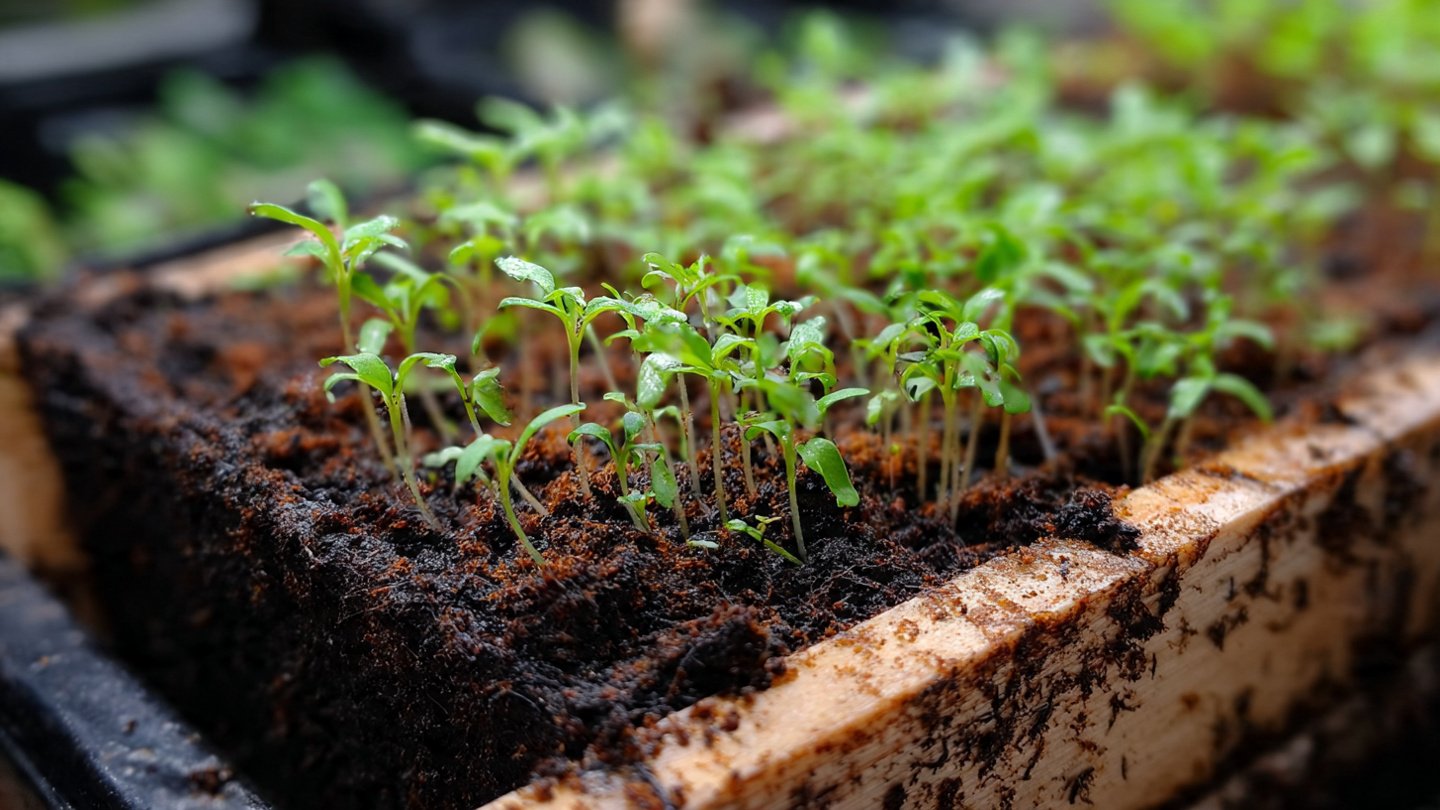
Starting your own seedlings at home is one of the most satisfying and cost-effective ways to grow vegetables, herbs, and flowers. However, many gardeners hesitate because they feel they need expensive tools, specialized trays, or professional greenhouses. The good news is, you can create a DIY improvised seedbed at home using simple, everyday items. With a little creativity, you can nurture healthy seedlings that will thrive when transplanted into your garden or pots. This guide walks you through everything you need to know to get started with minimal tools.
Why Start Seedlings at Home?
Before diving into the DIY methods, it’s important to understand why starting seedlings at home is beneficial:
- Early Start: Seedlings give your plants a head start on the growing season, especially for slow-growing vegetables like tomatoes, peppers, and eggplants.
- Cost Savings: Growing your own plants from seeds is far cheaper than buying seedlings from nurseries.
- Control Over Growth: You can monitor soil quality, moisture, and sunlight, reducing the risk of disease or pests.
- Diverse Options: Starting from seed allows you to grow rare, heirloom, or unusual varieties that may not be available locally.
By creating an improvised seedbed, even gardeners with limited space or resources can enjoy these advantages.
Step 1: Choosing the Right Container
The first step in building your DIY seedbed is choosing a container. You don’t need fancy seed trays or nursery flats. Here are some alternatives you can use:
- Plastic Containers: Clean containers from yogurt, ice cream, or takeaway food work perfectly. Make sure to wash them thoroughly.
- Egg Cartons: Ideal for starting small seeds like herbs or lettuce.
- Cardboard Boxes: Line with plastic or paper to retain moisture.
- Recycled Bottles or Jars: Cut in half to create mini pots.
Tip: Ensure your container has drainage holes at the bottom. If not, punch or drill a few holes to prevent waterlogging, which can rot your seedlings.
Step 2: Preparing a Soil Mix
A good seedbed starts with quality soil. Seedlings need a loose, well-draining mix that allows roots to grow freely. You can improvise a nutrient-rich mix at home using common ingredients:
- Potting Soil: If available, use standard potting mix as a base.
- Compost: Adds nutrients and improves soil texture.
- Sand or Perlite: Enhances drainage and prevents compaction.
- Coconut Coir or Vermiculite: Retains moisture and creates a light, airy soil structure.
DIY Seedling Mix Recipe:
- 2 parts potting soil or garden soil
- 1 part compost
- 1 part sand or perlite
Mix these thoroughly. Avoid garden soil that is heavy, clayey, or untreated, as it may harbor pests or diseases.
Step 3: Planting Seeds in Your Improvised Seedbed
Once your container and soil mix are ready, it’s time to sow seeds.
- Fill the Container: Add your soil mix, leaving about 1–2 cm from the top.
- Sow Seeds: Small seeds can be sprinkled lightly on the surface; larger seeds like beans or peas should be planted about 1–2 cm deep.
- Cover Lightly: Cover seeds with a thin layer of soil or vermiculite to protect them and retain moisture.
- Label Your Seedlings: Use a popsicle stick, bottle cap, or piece of paper to label each type of seed. This avoids confusion as your seedlings grow.
Pro Tip: Don’t overcrowd your seedbed. Give each seed enough space to grow without competing for light, water, or nutrients.
Step 4: Watering and Moisture Management
Water is critical for seed germination, but too much or too little can harm seedlings.
- Gentle Watering: Use a spray bottle or a cup to water gently. Avoid washing away seeds.
- Keep Soil Moist: The soil should remain damp, not soggy. Check daily, especially in hot or dry conditions.
- Covering the Seedbed: You can cover your container with a clear plastic lid or plastic wrap to retain humidity. Remove the cover once seeds sprout to prevent mold.
Tip: Bottom watering is a great method for improvised seedbeds. Place the container in a shallow tray of water and let the soil soak it from below. This encourages strong root growth and prevents overwatering.
Step 5: Providing Light
Seedlings need sufficient light to grow strong and healthy. Without it, they can become leggy and weak.
- Sunlight: Place your seedbed near a sunny window with at least 4–6 hours of light per day.
- Artificial Light: If natural sunlight is limited, use a desk lamp or LED grow light. Keep the light 10–15 cm above seedlings and leave it on for 12–16 hours daily.
- Rotate the Seedbed: If sunlight comes from one direction, rotate your containers daily to prevent seedlings from leaning toward the light.
Step 6: Ventilation and Airflow
Good airflow prevents fungal diseases such as damping-off, which can destroy seedlings quickly.
- Avoid placing seedbeds in closed, humid areas.
- If using a cover, remove it once seedlings emerge.
- A gentle fan on low setting can improve airflow indoors without chilling the plants.
Step 7: Thinning Seedlings
Once your seedlings have sprouted and grown a few true leaves, it’s time to thin them.
- Identify the Strongest Seedlings: Leave the healthiest seedlings and gently remove weaker or overcrowded ones.
- Transplant if Needed: If seedlings are too close together, you can separate and replant them in another container.
- Care During Thinning: Be careful not to disturb neighboring seedlings while removing extras.
Thinning ensures that remaining seedlings have space, light, and nutrients to thrive.
Step 8: Hardening Off Seedlings
Before transplanting seedlings into your garden or larger pots, it’s important to harden them off:
- Gradually expose seedlings to outdoor conditions over 7–10 days.
- Start with a few hours of morning sun and gradually increase exposure.
- Reduce watering slightly to encourage sturdier stems.
Hardening off prepares seedlings for the outdoor environment, reducing transplant shock and improving survival rates.
Step 9: Transplanting to Garden or Larger Pots
After hardening off, your seedlings are ready for transplanting:
- Prepare Planting Holes: Dig holes slightly larger than the root ball of each seedling.
- Add Nutrients: Mix in compost or organic fertilizer at the base to promote root establishment.
- Plant Carefully: Place seedlings gently into holes, firm the soil around roots, and water thoroughly.
- Spacing: Follow recommended spacing guidelines for each plant type to ensure healthy growth.
Your improvised seedbed has now served its purpose: nurturing strong, healthy seedlings ready to thrive in a larger growing environment.
Tips for Success with a DIY Seedbed
- Reuse Materials: Save plastic containers, jars, and cardboard boxes to reduce costs.
- Keep a Growth Journal: Track seed sowing dates, germination, and transplanting to improve results over time.
- Rotate Crops: Avoid planting the same species in the same soil repeatedly to reduce disease risk.
- Use Homemade Fertilizers: Compost tea or diluted kitchen scraps can supplement nutrients without chemical fertilizers.
- Sanitize Containers: Wash and dry recycled containers to prevent disease transfer from previous crops.
Benefits of a DIY Improvised Seedbed
- Cost-Effective: Requires minimal investment, often using items already available at home.
- Flexible: Can be adapted for different seed types, indoor or outdoor spaces, and varying light conditions.
- Educational: Perfect for children or beginners to learn gardening basics.
- Year-Round Gardening: Starting seedlings indoors allows for early planting and extended growing seasons.
- Sustainable: Encourages recycling and reusing containers while growing your own food.
Conclusion
Starting seedlings at home doesn’t require fancy trays, special tools, or expensive equipment. With a DIY improvised seedbed, a few household items, and simple gardening know-how, you can nurture strong, healthy seedlings ready for transplanting. From selecting containers and preparing soil to watering, providing light, and hardening off, each step ensures that your plants get the best start possible.
Whether you’re growing vegetables, herbs, or flowers, this approach allows anyone, from urban gardeners to beginners, to start a thriving garden with minimal tools. The satisfaction of seeing your tiny seeds sprout into healthy seedlings and eventually flourishing plants is unmatched — and it all begins with an improvised seedbed made right at home.
By using simple materials creatively, you can grow a variety of plants, save money, and enjoy fresh, homegrown produce year-round. Start your DIY seedbed today and experience the joy of nurturing life from seed to harvest!