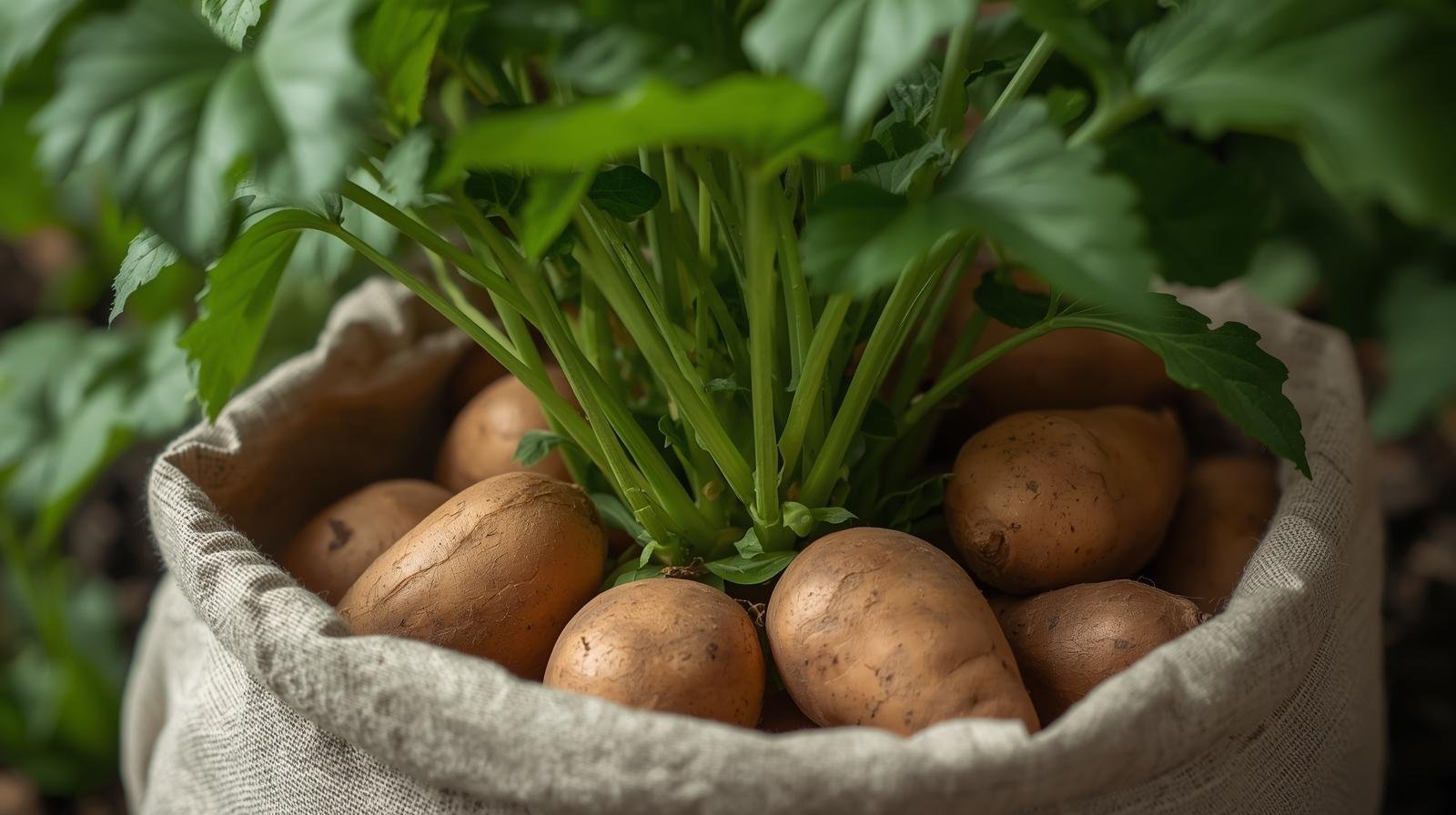
Sweet potatoes are not only delicious and nutritious, but they are also incredibly versatile in the kitchen. From baked fries to soups and desserts, they are a staple in many households. But what if you don’t have a large garden? Or what if your backyard is limited to a balcony or small patio? Growing sweet potatoes in bags offers a simple, space-saving solution for gardeners of all experience levels. In this guide, we’ll take you step by step through everything you need to know to grow sweet potatoes in bags, ensuring a bountiful harvest.
Why Grow Sweet Potatoes in Bags?
Traditionally, sweet potatoes require a lot of space because they send out long, sprawling vines and develop tubers underground. However, with bag gardening, you can grow them in confined spaces without compromising yield. Here are a few reasons why this method works:
- Space Efficiency: Ideal for balconies, patios, or small backyards.
- Soil Control: You can provide nutrient-rich, loose soil for optimal tuber growth.
- Mobility: Bags can be moved to capture sunlight or protect plants from extreme weather.
- Pest Management: Elevating plants in bags can reduce issues with soil-borne pests.
- Ease of Harvest: Digging sweet potatoes from a bag is much simpler than from the ground.
Selecting the Right Sweet Potato Variety
Before you start, choose the right variety of sweet potato. Some varieties are better suited for container or bag cultivation because they produce compact vines and develop tubers more easily in limited soil. Popular varieties include:
- Beauregard: A classic, high-yielding orange-fleshed sweet potato.
- Covington: Sweet, smooth, and ideal for containers.
- Georgia Jet: Fast-growing and resistant to pests.
- Red Garnet: Produces vibrant red-skinned tubers with a rich flavor.
Always select healthy, disease-free slips (young shoots grown from sweet potato roots) from a trusted nursery or store.
Choosing the Right Bag
The success of your sweet potato harvest largely depends on the bag you use. Here’s what to consider:
- Size: A bag at least 15–20 gallons (60–75 liters) works best, allowing enough room for tubers to grow.
- Material: Sturdy materials like canvas, heavy-duty plastic, or specialized grow bags are ideal. They provide durability and allow air circulation.
- Drainage: Ensure your bag has drainage holes at the bottom to prevent waterlogging. Sweet potatoes dislike soggy soil.
- Depth: Deep bags allow the roots to develop fully and produce larger tubers.
Preparing the Soil Mix
Sweet potatoes thrive in loose, well-draining soil with good fertility. Since you are growing in a bag, a balanced soil mix is crucial. Here’s a simple recipe:
- 50% Garden Soil: Provides natural nutrients.
- 30% Compost: Supplies essential organic matter.
- 20% Sand or Perlite: Ensures good drainage and prevents compacted soil.
Mix thoroughly, and add a slow-release organic fertilizer to give your plants a nutrient boost.
Planting Sweet Potatoes in Bags
Once you have your bag and soil ready, follow these steps:
- Fill the Bag: Fill your bag about three-quarters full with the soil mix, leaving some room at the top for watering and plant growth.
- Prepare Slips: If using slips, gently remove them from their original container and trim any damaged roots.
- Planting Depth: Plant slips 4–6 inches deep, burying the roots and part of the stem. Space each slip at least 12 inches apart to prevent overcrowding.
- Watering: Water immediately after planting to settle the soil around the roots. Keep the soil consistently moist but not soggy.
Caring for Sweet Potatoes in Bags
Growing sweet potatoes in bags is relatively low-maintenance, but proper care is essential for a successful harvest.
1. Sunlight
Sweet potatoes love full sun. Place your bags in a location that receives at least 6–8 hours of sunlight daily. If you have limited sunlight, rotate the bags throughout the day to maximize exposure.
2. Watering
Sweet potatoes require consistent moisture, especially during tuber formation. However, overwatering can cause rot. Water the bag when the top 1–2 inches of soil feel dry. Using mulch on the soil surface can help retain moisture.
3. Fertilization
Feed your plants every 3–4 weeks with a balanced liquid fertilizer or a high-potassium organic fertilizer to encourage tuber growth. Avoid excessive nitrogen, as it encourages vine growth at the expense of tubers.
4. Supporting Vines
Sweet potato vines can trail up to 10–12 feet. While they are often left to sprawl, providing a trellis or support system can save space and keep leaves off the ground. This also helps prevent pests and diseases.
Managing Pests and Diseases
Growing in bags reduces many common garden pests, but vigilance is still required. Watch for:
- Sweet Potato Weevils: Small insects that bore into tubers. Inspect slips before planting and remove any damaged leaves.
- Aphids and Whiteflies: Control infestations with neem oil or insecticidal soap.
- Fungal Issues: Overwatering can lead to fungal rot. Ensure good drainage and avoid wetting foliage.
Regularly inspect plants and remove any yellowing or damaged leaves.
Harvesting Sweet Potatoes from Bags
One of the greatest advantages of bag-grown sweet potatoes is the ease of harvesting. Unlike traditional soil beds, you can simply tip the bag over and gently remove the soil to access tubers.
- Timing: Sweet potatoes are typically ready to harvest 90–120 days after planting, depending on the variety.
- Indicators: The leaves may start yellowing and the vines may slow growth when tubers are mature.
- Handling: Handle tubers gently to avoid bruising. Cut off slips and allow the tubers to cure in a warm, dry place for 7–10 days to enhance sweetness and shelf life.
Rotating Crops and Reusing Bags
After harvesting, you can reuse your bags for future crops, but it’s best to rotate them to prevent soil-borne diseases. Wash the bags thoroughly and refresh the soil with compost and organic fertilizers before planting another crop. Sweet potatoes grow best if the soil is replenished with nutrients between plantings.
Tips for Maximum Yield in Small Spaces
- Start Early: Begin slips indoors before the last frost to give plants a head start.
- Prune Vines Sparingly: Encourage energy to go into tuber growth.
- Use Companion Plants: Herbs like basil and marigold can deter pests.
- Rotate Bags: Move bags occasionally to maximize sunlight exposure.
- Layer Soil: As vines grow, add more soil around stems to encourage additional tuber formation along the buried portions.
Benefits of Growing Sweet Potatoes in Bags
- Space-Saving: Perfect for urban gardeners with limited outdoor areas.
- Accessibility: Easier to care for than traditional garden beds.
- Control: You can control soil quality, drainage, and nutrients.
- Productivity: With proper care, bag-grown sweet potatoes can yield as much as traditional gardens.
- Portability: Move your plants to protect them from harsh weather or pests.
Conclusion
Growing sweet potatoes in bags is an excellent way to enjoy fresh, homegrown tubers without the need for a sprawling garden. With the right variety, soil, and care, you can produce a plentiful harvest in a small space. Bag gardening not only saves room but also gives you control over the growing environment, making it easier to manage pests, water, and nutrients. Whether you’re a beginner or an experienced gardener, this method allows anyone to enjoy the satisfaction of growing sweet potatoes right at home.
By following this step-by-step guide—from selecting the right variety and bag to planting, caring, and harvesting—you can transform your balcony, patio, or small backyard into a productive sweet potato garden. So grab a few slips, some bags, and nutrient-rich soil, and start your journey toward bountiful, homegrown sweet potatoes today.