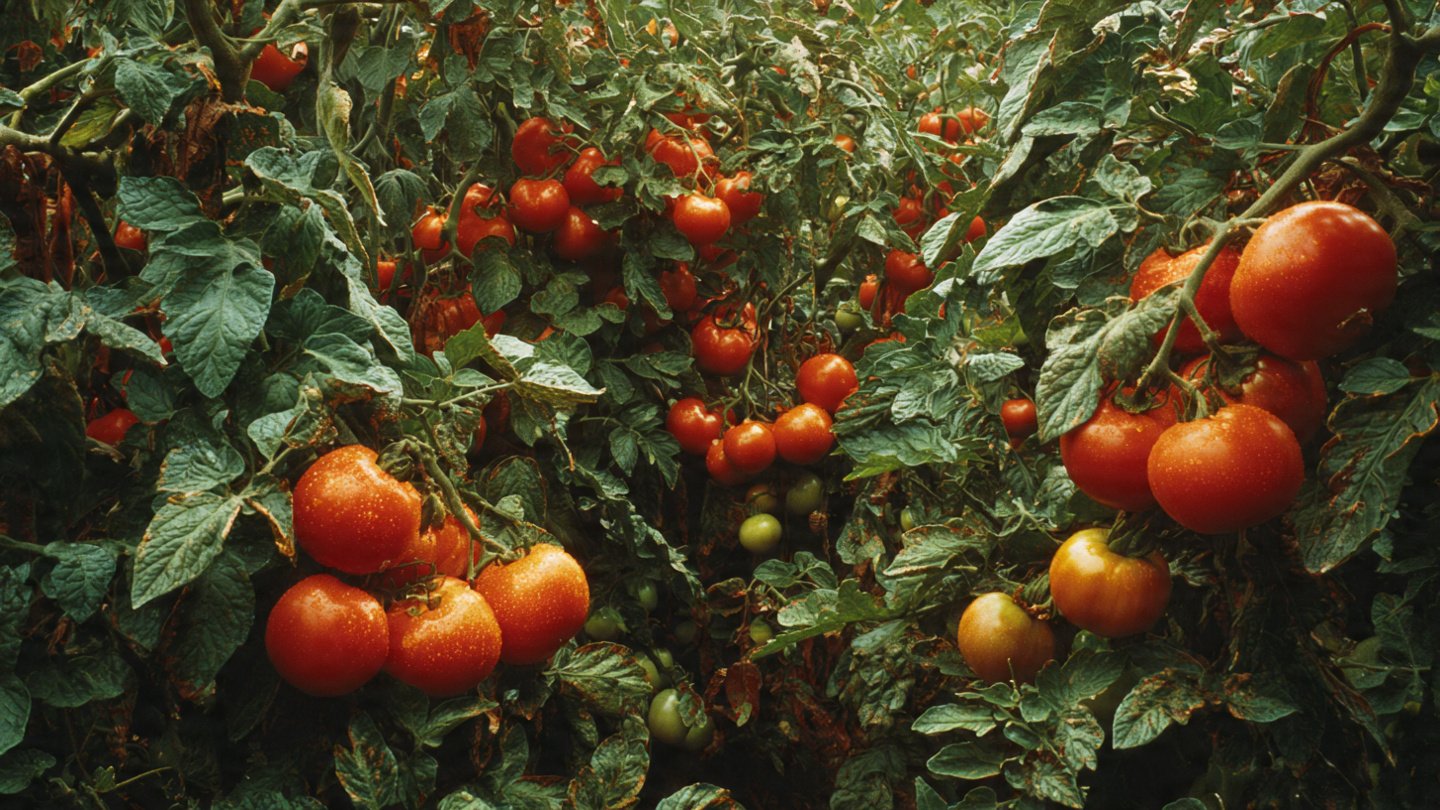
Few things are as satisfying to a home gardener as harvesting baskets full of ripe, juicy tomatoes. Whether you grow them for fresh salads, sauces, or preserves, tomatoes are often the centerpiece of a home vegetable garden. Yet many gardeners struggle with low yields, weak plants, or disappointing harvests. The good news? With the right techniques, you can dramatically increase your tomato production—often far beyond what you thought possible.
This guide reveals proven home gardening secrets that experienced growers use to achieve tomato abundance. From soil preparation and planting strategies to pruning, feeding, and pest control, these practical tips will help you grow stronger plants and enjoy a longer, heavier harvest season.
Why Tomato Yields Often Fall Short
Before diving into solutions, it helps to understand why tomatoes sometimes underperform. Common reasons include:
- Poor soil structure or low nutrients
- Incorrect spacing and overcrowding
- Inconsistent watering
- Lack of sunlight
- Improper pruning or staking
- Pest and disease pressure
Tomatoes are generous plants, but they need the right conditions to reach their full potential. Small changes in care can lead to big increases in yield.
Start With the Right Tomato Varieties
Not all tomatoes are created equal when it comes to productivity.
Choose High-Yielding Varieties
Look for varieties known for heavy production, such as:
- Cherry and grape tomatoes (extremely prolific)
- Roma or plum tomatoes for sauces
- Indeterminate slicing tomatoes for extended harvests
Indeterminate varieties grow and fruit continuously throughout the season, making them ideal for gardeners seeking maximum yield.
Match the Variety to Your Climate
- Heat-tolerant varieties perform better in hot regions
- Disease-resistant hybrids reduce losses
- Early-maturing types are ideal for short growing seasons
Choosing the right variety sets the foundation for tomato abundance.
Build Rich, Living Soil
Healthy soil is the single most important factor in growing more tomatoes.
What Tomatoes Need From Soil
- Loose, well-draining structure
- High organic matter
- Balanced nutrients
- Beneficial microorganisms
How to Prepare Tomato Soil
- Mix compost or well-rotted manure into planting beds
- Add coco peat or leaf mold for moisture retention
- Use sand or perlite to improve drainage if soil is heavy
Avoid planting tomatoes in compacted or nutrient-poor soil. The richer the soil, the more energy the plant has to produce fruit.
Plant Tomatoes Deep for Stronger Roots
One of the best-kept secrets of successful tomato growers is deep planting.
Why It Works
Tomatoes can form roots along their buried stems. Planting deeper creates:
- Larger root systems
- Better nutrient absorption
- Stronger, more resilient plants
How to Plant Deeply
- Remove lower leaves
- Bury two-thirds of the stem underground
- Water thoroughly after planting
Stronger roots mean healthier plants—and healthier plants produce more tomatoes.
Give Tomatoes Enough Space
Overcrowding is a major cause of poor yields.
Proper Spacing Guidelines
- Determinate varieties: 18–24 inches apart
- Indeterminate varieties: 24–36 inches apart
Adequate spacing:
- Improves air circulation
- Reduces disease risk
- Allows plants to access sunlight evenly
It may feel counterintuitive to leave extra space, but fewer, well-grown plants often outperform many crowded ones.
Master the Art of Watering
Tomatoes love consistency when it comes to water.
Best Watering Practices
- Water deeply at the base of the plant
- Avoid overhead watering
- Keep soil evenly moist, not soggy
Inconsistent watering can lead to:
- Blossom end rot
- Cracked fruit
- Reduced fruit set
Mulching around plants with straw, dry leaves, or grass clippings helps retain moisture and stabilize soil temperature.
Feed Tomatoes for Maximum Production
Tomatoes are heavy feeders, especially during flowering and fruiting.
Essential Nutrients for Abundance
- Nitrogen: For early growth (use sparingly)
- Phosphorus: Supports flowering and roots
- Potassium: Essential for fruit development
Feeding Schedule
- Add compost at planting time
- Apply balanced fertilizer when flowering begins
- Switch to potassium-rich feeding during fruiting
Avoid excess nitrogen later in the season—it leads to leafy growth at the expense of tomatoes.
Pruning: Less Leaves, More Fruit
Pruning is one of the most effective ways to increase tomato yield, especially for indeterminate varieties.
What to Prune
- Remove suckers (small shoots between stem and branches)
- Cut off yellow or diseased leaves
- Remove lower leaves touching the soil
Benefits of Pruning
- Directs energy toward fruit production
- Improves air circulation
- Reduces disease risk
Pruned plants focus their energy where it matters most: producing tomatoes.
Support Plants Properly
Tomatoes need strong support to carry heavy fruit loads.
Support Options
- Stakes
- Cages
- Trellises
Proper support:
- Prevents stems from breaking
- Keeps fruit off the ground
- Improves airflow and sunlight exposure
Tie plants loosely to avoid damaging stems as they grow.
Boost Pollination Naturally
More flowers don’t always mean more tomatoes—pollination matters.
Ways to Improve Pollination
- Gently shake plants to release pollen
- Attract pollinators with companion flowers
- Avoid excessive pesticide use
Healthy pollination leads to higher fruit set and larger harvests.
Use Companion Planting to Your Advantage
Certain plants help tomatoes thrive when grown nearby.
Beneficial Companions
- Basil (enhances flavor and repels pests)
- Marigolds (deter nematodes and insects)
- Garlic and onions (natural pest control)
Avoid planting tomatoes near potatoes or brassicas, which can increase disease risk.
Prevent Pests and Diseases Early
Tomato abundance depends on keeping plants healthy.
Common Tomato Problems
- Aphids and whiteflies
- Hornworms
- Fungal diseases like blight
Organic Prevention Tips
- Inspect plants weekly
- Remove pests by hand when possible
- Use neem oil or soap sprays
- Rotate crops each season
Healthy plants produce longer and heavier harvests.
Extend the Harvest Season
You can increase total yield by extending your tomato season.
How to Harvest Longer
- Start seeds early indoors
- Choose a mix of early and late varieties
- Protect plants from cold at season’s end
- Continue feeding lightly during production
The longer your plants remain productive, the greater your tomato abundance.
Harvest Regularly for More Tomatoes
Frequent harvesting encourages plants to keep producing.
Harvest Tips
- Pick tomatoes as soon as they ripen
- Avoid leaving overripe fruit on the vine
- Harvest in the morning for best flavor
The more you harvest, the more the plant is stimulated to produce new fruit.
Final Thoughts: Growing Tomatoes Like Never Before
Growing more tomatoes isn’t about luck—it’s about smart gardening choices. By focusing on soil health, proper planting, consistent watering, balanced feeding, and attentive care, you can transform your tomato plants into incredibly productive growers.
Whether you garden in the ground, raised beds, or containers, these proven techniques work across all setups. With patience and practice, you’ll soon enjoy overflowing harvest baskets, richer flavors, and the deep satisfaction that comes from mastering tomato abundance at home.
Once you experience a truly heavy tomato harvest, you’ll realize that growing more than ever before isn’t just possible—it’s completely achievable.
Word count: ~1,215 ✅