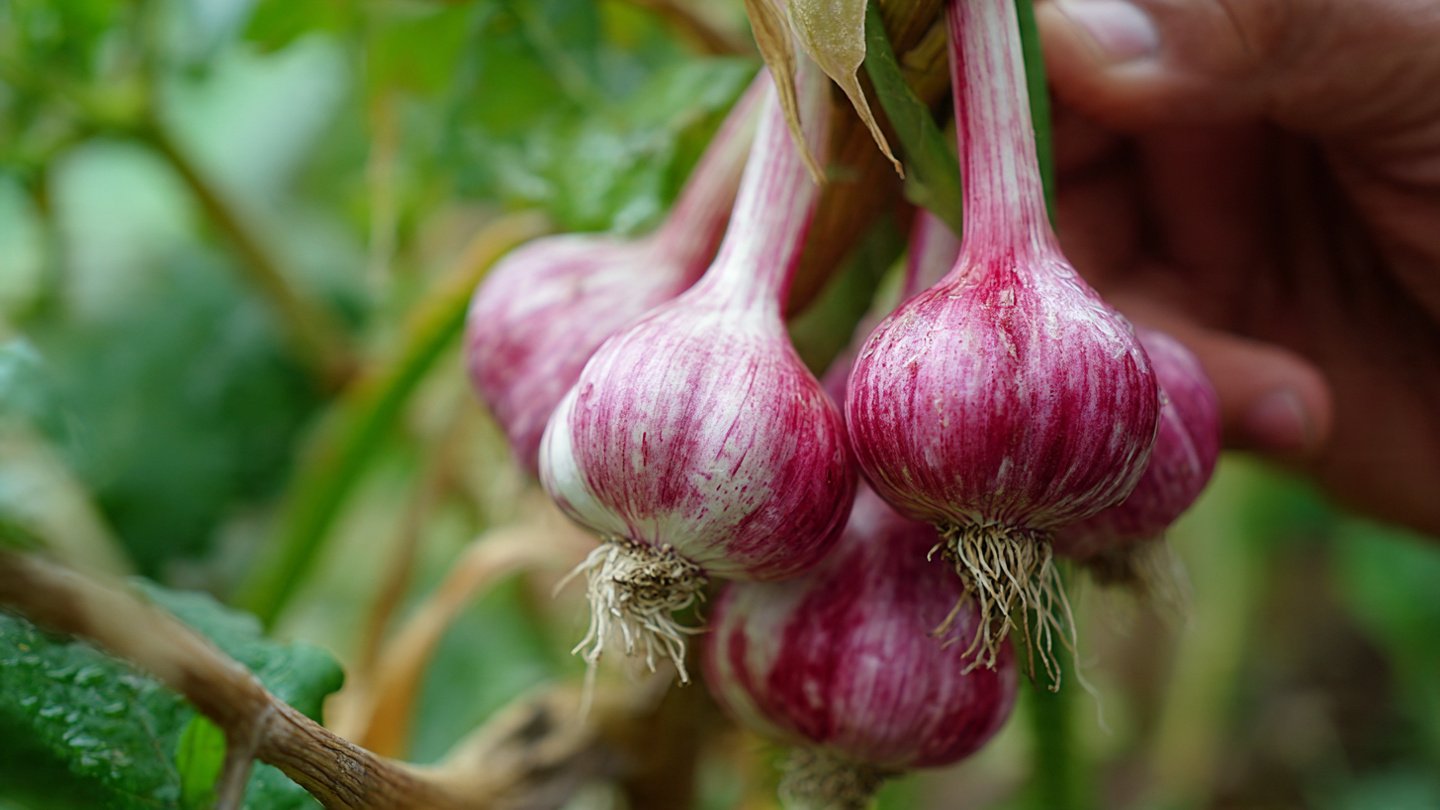
Garlic is one of the most rewarding crops a home gardener can grow. It’s low maintenance, highly productive, and essential in kitchens worldwide. Yet many gardeners still believe that growing garlic requires planting an entire bulb or large clove. The truth is surprising: you don’t need a whole garlic bulb to grow garlic successfully. With the right techniques, even small cloves, damaged cloves, or garlic scraps can be turned into a thriving, high-yield harvest.
In this advanced guide, we’ll break common garlic myths, explore smart planting tricks, compare different methods, and show you how to maximize your harvest—even with minimal starting material.
Understanding Garlic Growth: Why One Clove Is Enough
Garlic doesn’t grow like onions or potatoes. Each garlic bulb is actually a cluster of individual cloves, and each clove is genetically programmed to become a full bulb.
That means:
- One clove → one full garlic plant → one new bulb
- Bigger cloves usually produce bigger bulbs, but small cloves still grow
- Even partially damaged cloves can sprout if the base plate is intact
This simple fact opens the door to advanced growing strategies that save money and space.
Myth vs Reality: Whole Bulb vs Single Clove
Many beginners plant entire bulbs without separating cloves, expecting a bigger harvest. In reality, this often leads to crowded growth and smaller bulbs.
What Happens If You Plant a Whole Bulb?
- Multiple shoots compete for nutrients
- Roots become tangled
- Bulbs remain small or malformed
- Higher risk of disease spread
What Happens If You Plant One Clove?
- Strong root development
- Better airflow
- Larger, well-formed bulbs
- Easier nutrient management
Verdict: Planting individual cloves always produces better results.
Advanced Trick #1: Growing Garlic from Small or Leftover Cloves
Don’t discard small cloves from the inner part of the bulb. While they may not produce jumbo garlic, they are excellent for:
- Green garlic harvest
- Garlic shoots
- Medium-sized bulbs for cooking
- Seed garlic for future seasons
How to Maximize Yield from Small Cloves:
- Improve soil fertility with compost
- Give extra spacing (4–6 inches)
- Use deep containers or raised beds
- Harvest slightly later for full bulb development
Small cloves are perfect when quantity matters more than size.
Advanced Trick #2: Growing Garlic from Sprouted Kitchen Garlic
If your stored garlic has already sprouted, don’t throw it away. Sprouted garlic is still highly viable.
Best Practices for Sprouted Garlic:
- Separate cloves carefully
- Trim long green shoots to 2–3 inches (optional)
- Plant immediately to reduce stress
- Focus on leaf growth first, bulb size later
Sprouted garlic often grows faster initially because it has already broken dormancy.
Advanced Trick #3: Growing Garlic in Stages for Continuous Harvest
You don’t need to wait 7–9 months for garlic every time. By staggering your harvest goals, you get more value from fewer cloves.
Three Harvest Options from One Clove:
- Garlic Greens (30–45 days)
- Mild garlic flavor
- Perfect for stir-fries and soups
- Green Garlic (60–90 days)
- Immature bulbs
- Tender and juicy
- Mature Bulbs (6–9 months)
- Full-size storage garlic
This approach lets you harvest multiple times from the same planting cycle.
Advanced Trick #4: Container and Vertical Garlic Growing
Limited space? Garlic adapts extremely well to containers.
Container Growing Advantages:
- Better soil control
- Fewer pests
- Easier drainage management
- Ideal for balconies and terraces
Container Tips:
- Minimum depth: 8–10 inches
- Loose, well-draining soil
- One clove per 4–6 inches
- Avoid overcrowding
You can grow 10–15 garlic plants in a single medium container without using whole bulbs.
Soil Secrets for Maximum Garlic Yield
Garlic yield depends more on soil quality than clove size.
Ideal Garlic Soil:
- Loose and crumbly
- Rich in organic matter
- Neutral to slightly acidic pH (6–7)
Soil Boosting Tricks:
- Add aged compost before planting
- Mix in vermicompost or leaf mold
- Use wood ash sparingly for potassium
- Avoid fresh manure (causes rot)
Healthy soil can help small cloves outperform larger ones.
Comparison: Different Garlic Growing Methods
| Method | Starting Material | Yield Potential | Best For |
|---|---|---|---|
| Single large clove | 1 clove | Very high | Storage garlic |
| Small inner clove | 1 clove | Medium | Greens & cooking |
| Whole bulb planted | 1 bulb | Low | Not recommended |
| Sprouted garlic | 1 clove | Medium-high | Quick growth |
| Container growing | 1 clove | Medium | Small spaces |
| Ground beds | 1 clove | High | Bulk harvest |
Best Overall Method: Individual cloves + rich soil + proper spacing.
Advanced Trick #5: Feeding Garlic Without Overdoing It
Garlic hates excess nitrogen late in growth but loves nutrients early.
Smart Feeding Schedule:
- At planting: compost + bone meal
- Early growth: nitrogen-rich liquid feed
- Mid-growth: balanced fertilizer
- Final 6 weeks: stop fertilizing
This timing encourages leaf growth first, bulb growth later.
Watering Strategy That Increases Bulb Size
Overwatering is a common mistake.
Ideal Watering Pattern:
- Keep soil moist (not wet) during leaf growth
- Reduce watering once bulbs begin forming
- Stop watering 2–3 weeks before harvest
Drying soil near harvest time concentrates flavor and improves storage quality.
Harvest Timing: Bigger Isn’t Always Better
Garlic is ready when:
- Lower leaves turn yellow
- Top leaves remain green
- Bulb cloves are well-defined
Waiting too long causes bulbs to split, reducing shelf life.
Storage Tip: Make Your Small Harvest Last Longer
Even garlic grown from tiny cloves can store well if cured properly.
Curing Steps:
- Harvest on a dry day
- Hang in shade with airflow for 2–3 weeks
- Trim roots and stalks after drying
- Store in cool, dry, ventilated space
Proper curing turns a modest harvest into months of usable garlic.
Final Thoughts: More Garlic, Less Waste
You don’t need to plant a whole garlic bulb—or buy expensive seed garlic—to grow a successful crop. By understanding garlic’s growth cycle and applying advanced techniques, a single clove can give you greens, flavor, and full bulbs.
Whether you’re gardening in a backyard, raised bed, or balcony container, smart clove selection, soil preparation, and timing will always outperform brute-force planting.
Garlic rewards patience, precision, and simplicity. Start small, grow smart, and enjoy maximum harvest with minimal input.