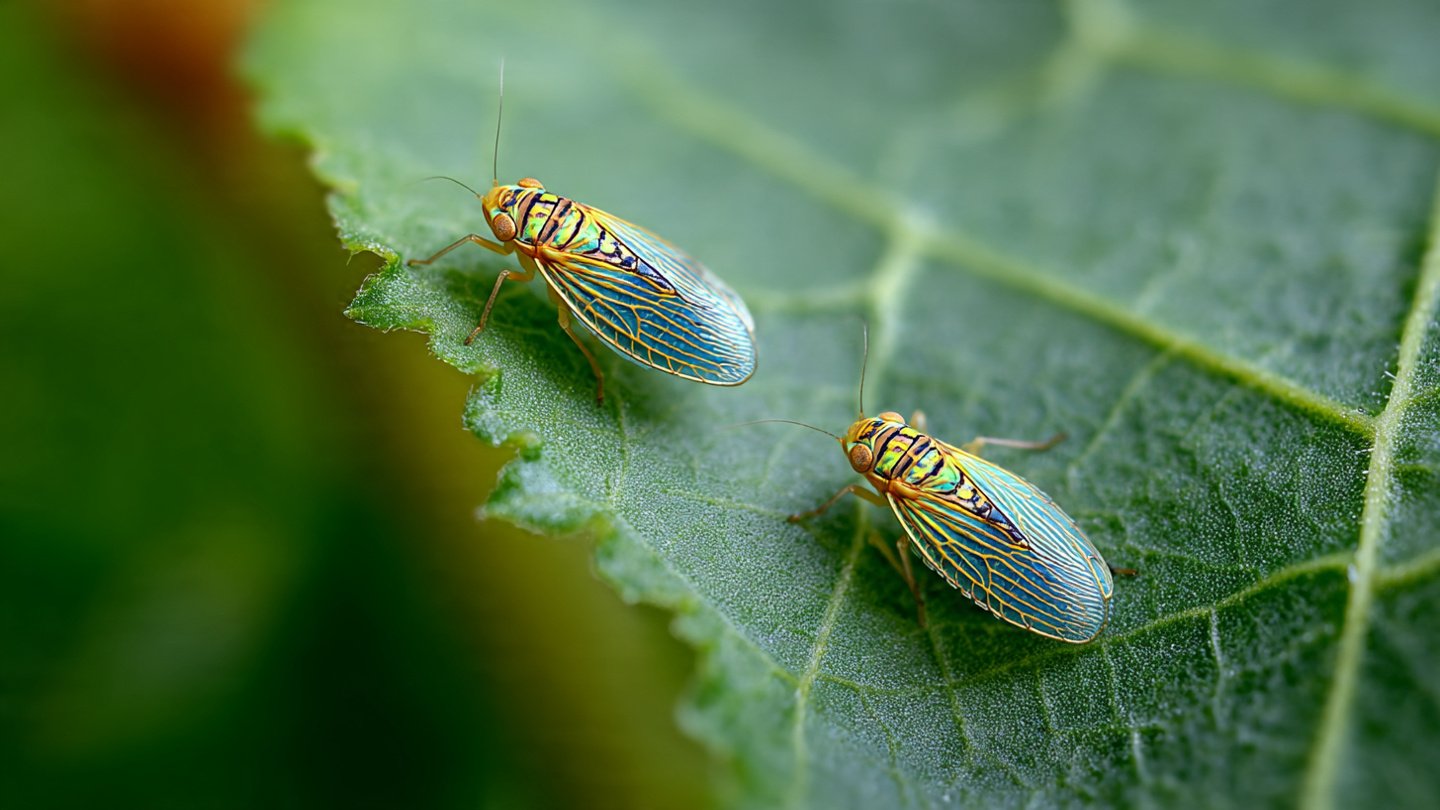
Gardening is deeply rewarding, but few things frustrate gardeners more than discovering tiny insects damaging healthy plants overnight. Whiteflies, leafminers, and thrips are among the most common and destructive garden pests, especially in warm climates and indoor or balcony gardens. While chemical pesticides may seem like a quick fix, they often harm beneficial insects, contaminate soil, and pose health risks to humans and pets.
Eco-friendly sticky insect traps offer a simple, effective, and chemical-free solution. These traps work quietly in the background, helping you monitor and reduce pest populations while keeping your garden safe and sustainable. In this guide, we’ll explore how sticky traps work, which pests they control, how to use them effectively, and how they fit into a natural pest management strategy.
Understanding the Problem Pests
Before using any pest control method, it’s important to know your enemy.
Whiteflies
Whiteflies are tiny, moth-like insects that cluster on the undersides of leaves. They feed on plant sap, weakening plants and causing yellowing, leaf drop, and stunted growth. Whiteflies also excrete sticky honeydew, which leads to sooty mold.
Leafminers
Leafminers are larvae that tunnel between leaf layers, leaving squiggly white or brown trails. While adult flies do little damage, the larvae reduce photosynthesis and can seriously affect leafy vegetables and ornamentals.
Thrips
Thrips are slender, fast-moving insects that scrape plant tissue and suck out juices. Their feeding causes silvery patches, distorted growth, and flower damage. Thrips are also known carriers of plant viruses.
These pests reproduce rapidly, making early detection and control essential.
What Are Sticky Insect Traps?
Sticky insect traps are brightly colored cards or sheets coated with a non-toxic adhesive. They attract flying insects, which become stuck upon contact. The traps do not poison insects; instead, they physically capture them, making this method environmentally friendly and safe for use around homes.
Most eco-friendly sticky traps are:
- Pesticide-free
- Odorless
- Safe for edible gardens
- Reusable or recyclable
They are commonly used in vegetable gardens, greenhouses, houseplants, balconies, and commercial farms.
Why Sticky Traps Are Eco-Friendly
Sticky traps align perfectly with sustainable gardening principles:
- No Chemicals – They eliminate the need for synthetic pesticides that can harm soil life, pollinators, and humans.
- Targeted Control – Flying pests are trapped without affecting earthworms or beneficial soil organisms.
- Low Environmental Impact – Many traps are made from recyclable materials and use non-toxic adhesives.
- Safe Indoors – Ideal for kitchen gardens, indoor plants, and spaces with children or pets.
How Sticky Traps Attract Pests
Sticky traps rely on color attraction rather than scent or poison.
- Yellow traps attract whiteflies, aphids, leafminers, and fungus gnats.
- Blue traps are especially effective for thrips.
Insects mistake the bright color for young leaves or flowers, land on the surface, and become stuck.
Using Sticky Traps Effectively
While sticky traps are simple, proper placement and usage make a huge difference in results.
Placement Tips
- Hang traps near plant canopies, not on the soil.
- Place them just above or within foliage, where pests fly.
- Avoid placing traps directly in strong wind or rain.
- In indoor plants, hang traps near windows or light sources.
Spacing Guidelines
- Small garden or balcony: 1–2 traps per area
- Vegetable beds: 1 trap every 2–3 meters
- Heavy infestations: Increase trap density temporarily
Monitoring, Not Just Trapping
Sticky traps are excellent monitoring tools. By checking them every few days, you can:
- Identify pest type early
- Track population changes
- Decide if additional control methods are needed
Which Pests Sticky Traps Control Best
Sticky traps are most effective against flying adult insects, including:
- Whiteflies
- Leafminer flies
- Thrips
- Fungus gnats
- Aphids (winged stage)
- Small moths
They do not directly kill larvae already inside leaves or soil, which is why sticky traps work best as part of an integrated pest management approach.
Combining Sticky Traps with Natural Methods
For long-term control, sticky traps should be used alongside other eco-friendly practices.
Neem Oil Sprays
Neem oil disrupts insect life cycles and works well against larvae and eggs. Use it in the evening to avoid harming pollinators.
Beneficial Insects
Ladybugs, lacewings, and parasitic wasps naturally control whiteflies and thrips. Sticky traps help monitor pest levels without replacing beneficial insects.
Healthy Soil Practices
Strong plants resist pests better. Use compost, mulch, and proper watering to reduce infestations naturally.
Pruning Infested Leaves
Remove heavily damaged leaves to reduce breeding sites for leafminers and thrips.
Common Mistakes to Avoid
- Overusing traps: Too many traps can accidentally capture beneficial insects.
- Ignoring trap checks: Full traps lose effectiveness.
- Placing traps too low: Flying pests stay near leaves, not soil.
- Relying on traps alone: Traps control adults, not larvae or eggs.
Indoor and Balcony Garden Benefits
Sticky traps are especially valuable for indoor gardeners because chemical sprays are often unsafe in enclosed spaces. They:
- Control pests without odors
- Prevent infestations from spreading between plants
- Offer visual confirmation of pest problems
- Require no special equipment
For apartment and urban gardeners, sticky traps are often the first line of defense.
DIY vs. Store-Bought Sticky Traps
Store-Bought Traps
- Professionally coated
- Long-lasting adhesive
- Color-optimized for pests
- Convenient and reliable
DIY Traps
- Can be made using yellow paper and sticky substances
- Budget-friendly
- Less durable and less consistent
For serious infestations, store-bought eco-friendly traps are usually more effective.
Are Sticky Traps Safe for Pollinators?
Sticky traps can unintentionally catch bees if placed near flowers. To minimize risk:
- Avoid placing traps near blooming plants
- Use traps inside foliage, not open flowers
- Remove traps once pest populations decrease
Used responsibly, sticky traps pose minimal risk to pollinators.
Long-Term Benefits of Eco-Friendly Pest Control
By choosing sticky insect traps and natural methods, gardeners experience:
- Healthier plants and soil
- Reduced chemical dependency
- Improved garden biodiversity
- Safer food production
- Lower long-term pest pressure
These benefits extend beyond one season, creating a more resilient garden ecosystem.
Final Thoughts
Eco-friendly sticky insect traps are one of the simplest yet most effective tools for controlling whiteflies, leafminers, and thrips naturally. They offer immediate results, valuable pest monitoring, and complete freedom from harmful chemicals. When used thoughtfully and combined with good gardening practices, sticky traps empower gardeners to protect plants while respecting nature.
Whether you’re tending a backyard vegetable patch, balcony garden, or indoor plant collection, sticky insect traps provide a quiet, safe, and sustainable solution—proving that effective pest control doesn’t have to come at the cost of environmental health.