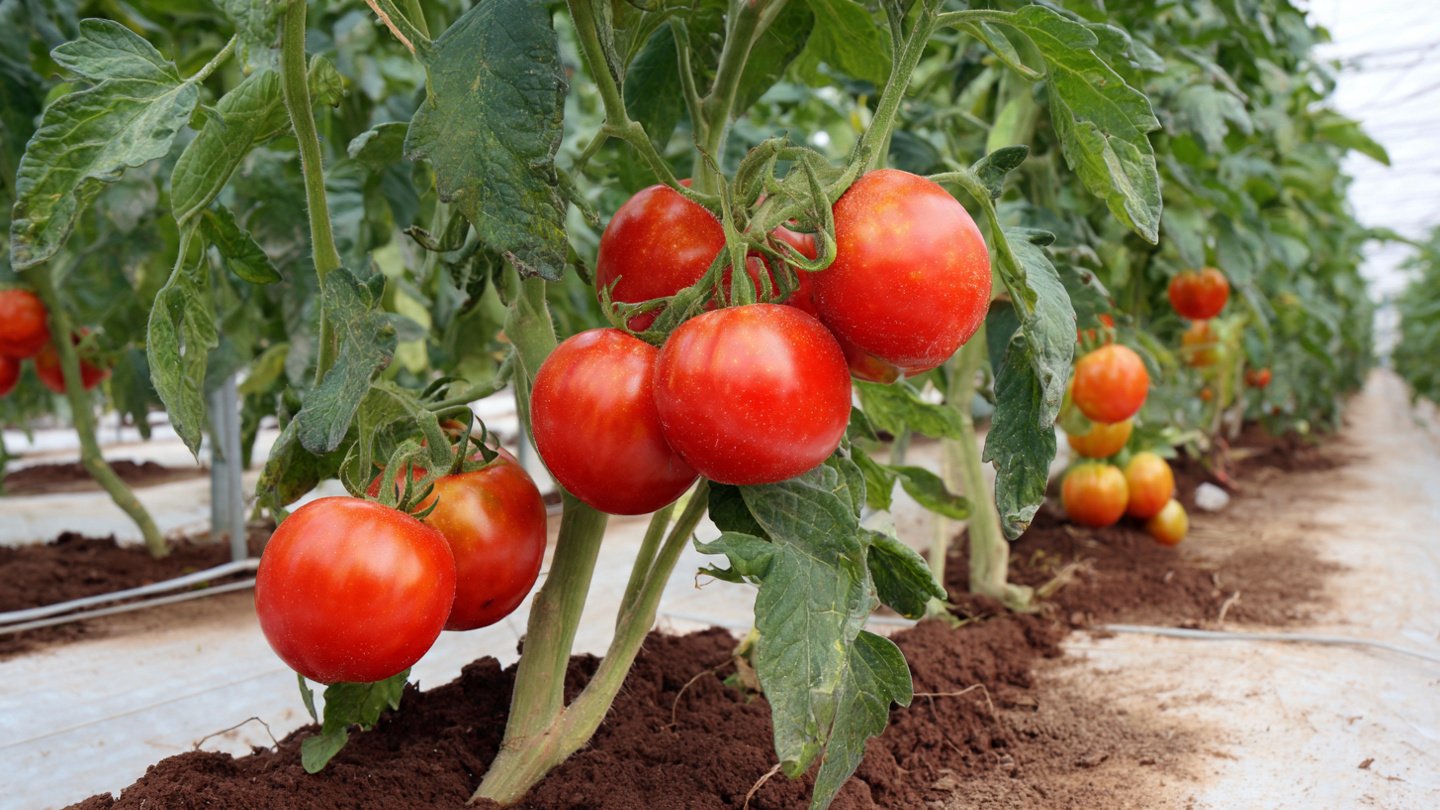
Tomatoes are one of the most rewarding plants to grow at home, offering vibrant, juicy fruit that can elevate any meal. While traditional tomato gardening involves soil beds or pots, growing tomatoes in straw—a method often referred to as straw bale gardening—has become increasingly popular among home gardeners. Straw provides excellent insulation, helps retain moisture, and reduces weed growth, all of which contribute to healthier plants and higher yields. In this guide, we will explore everything you need to know about growing tomatoes in straw, from selecting varieties to harvesting, ensuring that your plants produce a bountiful crop.
Why Grow Tomatoes in Straw?
Growing tomatoes in straw offers several unique advantages:
- Soil Independence: Straw bale gardening is ideal for areas with poor soil or limited garden space. By conditioning the straw, you create a fertile growing medium that supports strong tomato growth.
- Reduced Weeding: Straw acts as a natural mulch, suppressing weeds and reducing maintenance.
- Improved Drainage and Aeration: Straw bales provide excellent drainage and air circulation, reducing the risk of root rot and fungal diseases.
- Ease of Access: Raised straw bales make planting, pruning, and harvesting easier, especially for those with limited mobility.
By using straw as a growing medium, home gardeners can enjoy fresh, abundant tomatoes without worrying about soil quality or intensive labor.
Selecting Tomato Varieties for Straw Growing
Not all tomato varieties perform equally well in straw bales. When choosing seeds or seedlings, consider the following:
- Indeterminate Varieties: These produce fruit continuously throughout the season and are ideal for maximizing yield. Examples include ‘Beefsteak,’ ‘Cherry,’ and ‘Roma’ tomatoes.
- Disease Resistance: Choose varieties resistant to common tomato diseases such as blight or fusarium wilt to improve success in straw.
- Compact Varieties: If space is limited, bush or determinate varieties can also be grown in straw, though yields may be lower than indeterminate types.
Selecting the right variety is the first step toward a productive tomato harvest in straw bales.
Preparing the Straw Bales
Proper preparation of straw bales is essential to create a nutrient-rich environment for tomato plants. Follow these steps:
- Choose Fresh Straw: Select tightly packed, clean straw bales. Avoid hay, as it may contain seeds that can sprout and compete with your plants.
- Condition the Bales: Straw bales need to be conditioned to encourage decomposition and provide nutrients. This process usually takes 10–14 days:
- Sprinkle the bales with water daily to keep them moist.
- Add nitrogen-rich fertilizer, such as blood meal, fish emulsion, or composted manure, to jump-start decomposition.
- Turn or fluff the bales occasionally to ensure even conditioning.
- Check Readiness: After conditioning, bales should feel warm inside and have a slightly decomposed, spongy texture. This indicates they are ready for planting.
Properly conditioned bales mimic soil, allowing tomato roots to grow freely and access nutrients efficiently.
Planting Tomatoes in Straw Bales
Once your bales are ready, it’s time to plant:
- Prepare Planting Holes: Create holes about 6–8 inches deep in the top of each bale. Space holes according to the variety, typically 18–24 inches apart for indeterminate tomatoes.
- Add Nutrients: Fill each hole with a mixture of compost and a handful of balanced fertilizer to give seedlings a nutrient boost.
- Transplant Seedlings: Gently remove tomato seedlings from their nursery pots, place them in the holes, and firm the straw around the roots.
- Water Thoroughly: Give each plant a generous initial watering to help them establish in the straw.
Planting in straw bales is similar to planting in soil, but the decomposing straw provides consistent moisture and nutrients.
Supporting Tomato Plants
Tomatoes are vigorous plants, especially indeterminate varieties, and require support for optimal fruit production:
- Stakes or Cages: Insert sturdy stakes or cages into the bales at planting time to avoid damaging roots later.
- Tying Plants: As plants grow, gently tie the main stem to the support using soft garden twine.
- Pruning: Remove lower leaves and suckers (side shoots) to improve air circulation and focus energy on fruit production.
Proper support prevents broken stems, reduces disease risk, and helps plants produce larger, healthier fruits.
Watering and Fertilizing
Tomatoes grown in straw bales require consistent moisture and regular feeding:
- Watering: Straw dries out more quickly than soil, so daily watering is often necessary during hot weather. Water thoroughly to reach the roots within the bale.
- Fertilizing: Feed tomatoes every 2–3 weeks with a liquid fertilizer high in potassium and phosphorus to promote flowering and fruiting.
- Mulching: Adding a light layer of straw around the base of plants helps retain moisture and maintain even soil temperature.
Consistent care ensures vigorous growth, healthy flowers, and abundant fruit.
Pest and Disease Management
Growing tomatoes in straw can reduce soil-borne disease risks, but pests and diseases can still affect plants:
- Common Pests: Aphids, whiteflies, and tomato hornworms may appear. Handpick pests or use organic insecticidal soap if infestations occur.
- Diseases: Watch for early blight, powdery mildew, or bacterial spots. Good airflow, proper pruning, and clean bales help prevent outbreaks.
- Preventive Measures: Rotate planting locations and sanitize supports and tools to minimize the spread of pathogens.
Regular monitoring and proactive management will help maintain healthy, productive tomato plants.
Maximizing Fruit Production
To ensure your tomatoes produce a lot of fruit, consider these strategies:
- Sunlight: Tomatoes need at least 6–8 hours of direct sunlight per day. Position your bales in the sunniest spot available.
- Pollination: Encourage pollination by gently shaking flowers or using a small brush to transfer pollen, especially if growing indoors or in enclosed spaces.
- Pruning: Remove excess leaves and suckers to direct energy to fruit production.
- Regular Harvesting: Pick ripe tomatoes promptly to encourage the plant to produce more fruit.
By combining proper sunlight, pollination, pruning, and harvest management, you can significantly boost your tomato yield.
Harvesting Tomatoes
Timing is key for harvesting delicious, homegrown tomatoes:
- Maturity: Most tomato varieties are ready to harvest 60–85 days after transplanting, depending on the type.
- Ripeness: Fruit should be fully colored and slightly firm. Avoid waiting too long, as overripe tomatoes can attract pests and split.
- Method: Use scissors or gently twist the fruit from the vine to prevent damaging the plant.
Regular harvesting ensures continuous fruit production and prevents plants from becoming overburdened.
End-of-Season Care
At the end of the growing season, prepare your straw bales and tomato plants for the next cycle:
- Remove Spent Plants: Pull out old tomato plants and compost healthy plant material.
- Replenish Bales: Add fresh straw and additional fertilizer to rejuvenate bales for future planting.
- Sanitize Supports: Clean cages, stakes, and tools to reduce the risk of disease in the next season.
Proper end-of-season care ensures that your straw bales remain fertile and productive for future crops.
Tips for Success
- Start Early: Begin seedlings indoors to extend the growing season and ensure early fruit production.
- Choose the Right Straw: Avoid hay or straw contaminated with weed seeds or chemicals.
- Monitor Moisture: Straw dries out quickly, so consistent watering is critical, especially during flowering and fruiting.
- Fertilize Regularly: Tomatoes are heavy feeders; provide nutrients throughout the season for maximum yield.
Following these tips will help even novice gardeners achieve a bountiful tomato harvest using straw bale gardening.
Conclusion
Growing tomatoes in straw is an effective and efficient method for home gardeners who want a high yield without traditional garden beds. Straw bales provide excellent drainage, moisture retention, and insulation while reducing weeds and labor. By choosing the right varieties, conditioning your bales, supporting plants, and maintaining consistent watering and fertilization, you can enjoy a prolific harvest of delicious, homegrown tomatoes. With careful attention to pruning, pollination, and pest management, your straw-grown tomatoes will thrive, producing fruit throughout the season and rewarding you with fresh, flavorful vegetables straight from your backyard.
Word count: 1,217