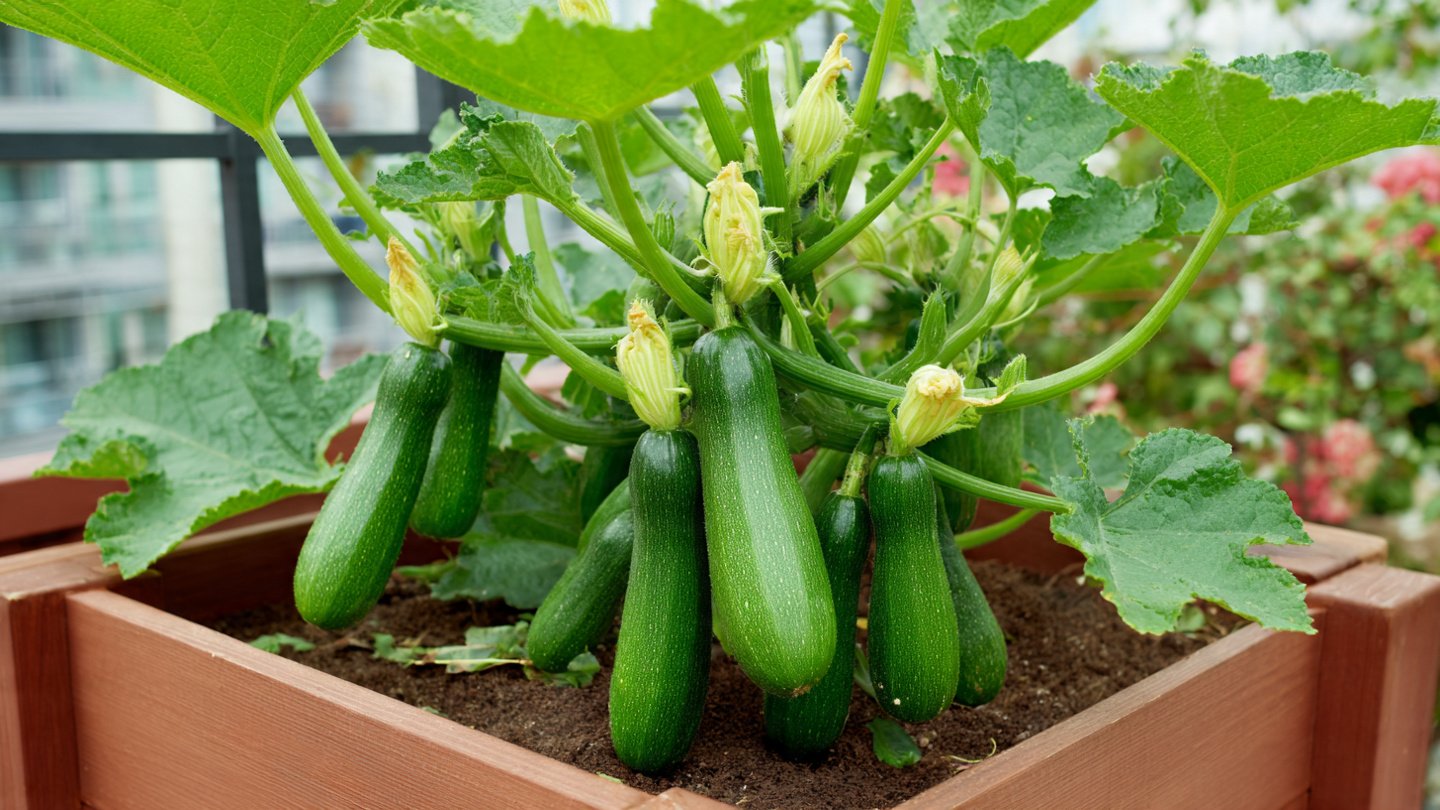
In urban areas, limited space often discourages people from growing their own vegetables. Yet, with a little creativity, even the smallest terraces or rooftops can transform into productive gardens. One of the most surprisingly generous plants for urban gardeners is zucchini. Known for its prolific growth and adaptability, zucchini can produce dozens of healthy fruits in a small space, making it a perfect choice for rooftop gardening. Over the years, I’ve honed a method that allows me to grow zucchini on my terrace, ensuring a steady supply of fresh, nutritious produce all season long. Here’s how I do it.
Why Zucchini is Perfect for Rooftop Gardening
Zucchini, also known as courgette, is a summer squash that thrives in warm weather and needs relatively little care once established. It’s highly productive—one or two plants can yield more than a dozen fruits in a single growing season. Zucchini is also versatile in the kitchen, perfect for stir-fries, salads, baking, grilling, and even pickling.
For rooftop gardening, zucchini is ideal because it can grow in containers, tolerates heat well, and doesn’t require deep soil to flourish. Its sprawling vines can be trained vertically, allowing you to maximize your terrace space while creating a lush, green canopy that provides shade and a pleasant environment.
Choosing the Right Zucchini Varieties
Not all zucchini varieties are created equal, especially when grown in containers. For rooftop gardens, I recommend compact or bush-type varieties, such as ‘Black Beauty,’ ‘Eight Ball,’ or ‘Bush Baby.’ These types have shorter vines, which are easier to manage on a terrace, and are less likely to overrun your garden space.
If you have a trellis or vertical support, you can also experiment with vining varieties. These zucchini can climb and free up ground space, making it possible to grow more plants in the same area. Selecting disease-resistant varieties is another consideration, as rooftop gardens can be exposed to fluctuating weather conditions and high winds.
Preparing Your Terrace for Zucchini
Growing zucchini on a rooftop requires careful planning. First, ensure that your terrace can support the weight of containers filled with soil and water. Heavy pots, especially when wet, can become very heavy, so lightweight containers or grow bags are often the best choice.
Next, check sunlight exposure. Zucchini loves the sun and needs at least 6–8 hours of direct sunlight per day. If your terrace has shaded areas, position the containers in the sunniest spots. Good drainage is essential, so make sure your containers have holes at the bottom to prevent waterlogging, which can lead to root rot.
Choosing the Right Soil and Containers
Zucchini is a heavy feeder, meaning it needs nutrient-rich soil to thrive. I prepare a soil mix for my rooftop containers using equal parts of high-quality garden soil, compost, and coconut coir or peat moss. This combination ensures that the soil retains moisture while providing adequate drainage.
For containers, I use pots that are at least 18–24 inches in diameter for each plant. Larger containers allow the roots to grow fully, which supports better flowering and fruiting. If space is limited, vertical trellises can be added to train the vines upward, reducing the need for horizontal space while keeping fruits off the floor.
Planting Zucchini on a Rooftop
Timing is crucial when planting zucchini. I usually start seeds indoors or in a small seed tray about 2–3 weeks before the last frost date. Once seedlings are strong and the weather is reliably warm, I transplant them into the terrace containers.
Each container usually holds one or two zucchini plants. I make sure to space them adequately, even in pots, so they have room to grow. Crowding can reduce airflow and increase the risk of fungal diseases. After planting, I water the seedlings thoroughly and apply a light layer of mulch to retain moisture and suppress weeds.
Watering and Fertilization
Zucchini requires consistent watering, particularly when flowers and fruits are developing. On a rooftop, containers can dry out quickly due to wind and sun exposure. I water deeply every morning, ensuring the soil stays moist but not waterlogged. Drip irrigation or self-watering pots can be a helpful investment for maintaining consistent moisture levels.
Because zucchini are heavy feeders, I fertilize them regularly. I start with a balanced organic fertilizer at planting time and then switch to a high-phosphorus fertilizer when flowers begin to bloom. This encourages fruit development. I also supplement with compost tea or liquid seaweed every few weeks to boost nutrient availability.
Pollination and Flower Care
Zucchini plants produce both male and female flowers. Without pollination, female flowers will not develop into fruits. On a rooftop, pollinators like bees may be less abundant, so hand pollination is often necessary. I use a small brush to transfer pollen from male flowers to female flowers, ensuring that every flower has the chance to become a fruit.
Regularly removing older or damaged leaves helps the plant focus energy on fruit production. I also trim long vines if they become unruly, training them along trellises or supports to maintain airflow and prevent disease.
Managing Pests and Diseases
Even on a terrace, zucchini is susceptible to pests such as aphids, spider mites, and squash bugs. I inspect my plants daily and remove any pests by hand when possible. Neem oil or insecticidal soap can be used safely on edible plants if infestations occur.
Powdery mildew is another common problem, especially when humidity is high. Good spacing, proper airflow, and avoiding wetting the leaves can prevent most cases. Resistant varieties also reduce the likelihood of disease.
Harvesting Zucchini
One of the joys of growing zucchini is harvesting. I pick fruits when they are young and tender, usually about 6–8 inches long. Harvesting regularly encourages the plant to produce more fruits, which can result in dozens over a single season.
If fruits are left to grow too large, they can become tough and seedy. Smaller zucchini are perfect for stir-fries, steaming, or baking, while larger ones can be used for stuffing or making zucchini bread. Harvesting in the morning is ideal because the fruits are crisp and full of moisture.
Maximizing Yield in Small Spaces
To truly get the most out of a rooftop zucchini garden, consider these strategies:
- Vertical Growing: Use trellises or netting to train vines upward. This frees up container space and improves airflow.
- Succession Planting: Plant new seeds every 2–3 weeks to maintain a continuous harvest throughout the growing season.
- Companion Planting: Grow zucchini alongside herbs like basil or flowers like marigolds to deter pests naturally.
- Pruning: Trim excess leaves and old flowers to channel the plant’s energy into fruit production.
With these strategies, even a few containers can produce dozens of healthy zucchini fruits in a single season.
Using Your Rooftop Harvest
The benefits of rooftop zucchini go beyond fresh produce. They contribute to your family’s health with vitamins A and C, fiber, and antioxidants. Zucchini can be incorporated into countless recipes—grilled, roasted, baked, or spiralized into noodles.
You can also preserve surplus zucchini. Slicing and freezing them, making pickles, or baking into bread allows you to enjoy your rooftop harvest year-round. By growing zucchini in small spaces, you gain not just food but also the satisfaction of producing it yourself.
Conclusion
Rooftop gardening can be transformative, turning an unused terrace into a vibrant, productive space. Zucchini is one of the most rewarding vegetables to grow in these conditions because it’s highly productive, easy to manage, and incredibly versatile. By choosing the right varieties, preparing containers and soil properly, providing consistent care, and employing strategies to maximize yield, you can produce dozens of healthy, high-yield fruits—even in a small urban space.
Watching zucchini vines climb and flourish on a rooftop is not only practical but also visually satisfying. It turns your terrace into a green oasis, improves air quality, and connects you to the rhythm of growing food. Whether you are an urban gardener looking for a beginner-friendly crop or an experienced grower seeking maximum yield in limited space, zucchini on a rooftop is a miracle crop that keeps on giving.
Growing food in small spaces is not just a hobby—it’s a way to reclaim control over what you eat, reduce your carbon footprint, and enjoy the literal fruits of your labor. With a little planning and dedication, your terrace can become a high-yield zucchini haven that feeds your family healthy, homegrown produce all season long.