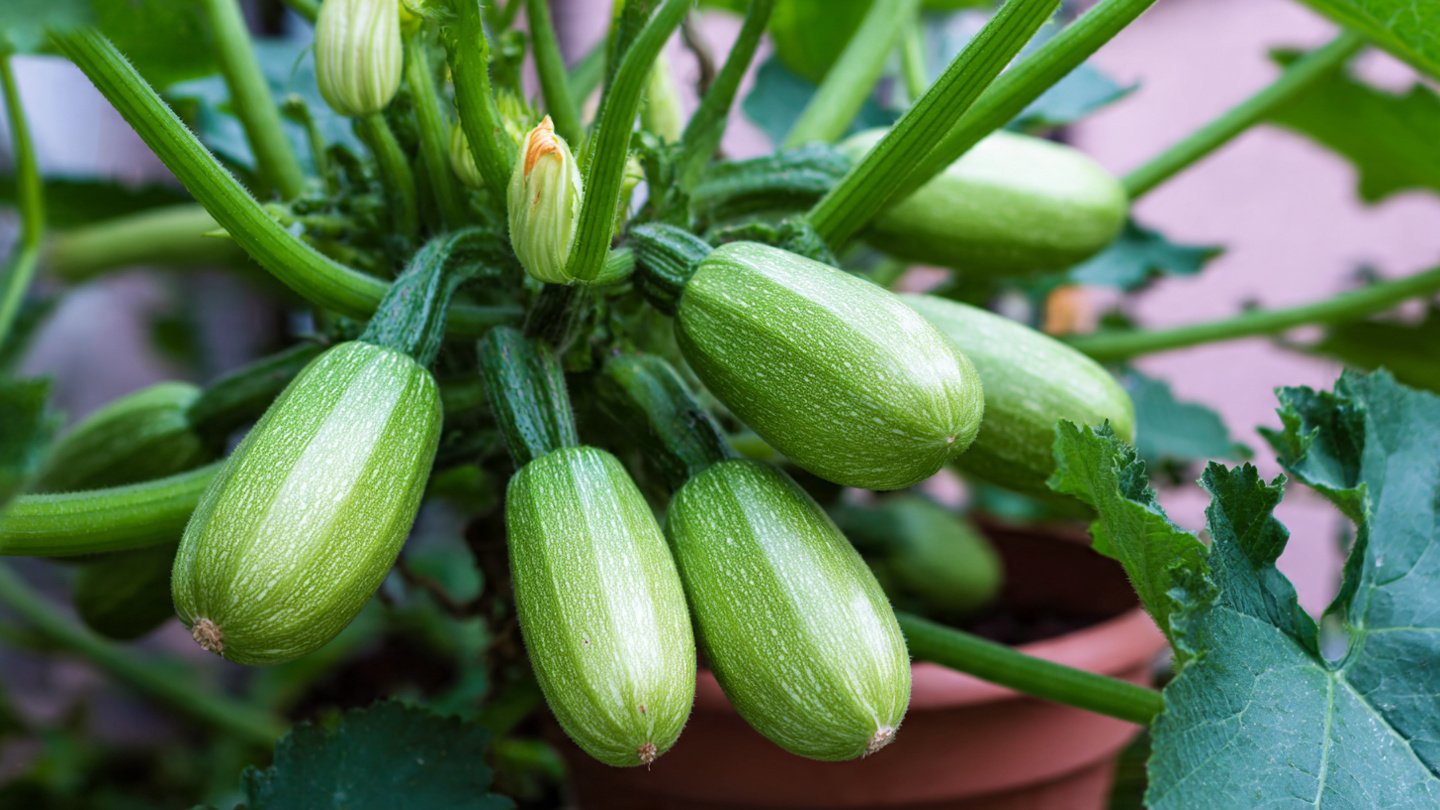
Zucchini is one of the most popular summer vegetables for home gardeners, prized for its tender flesh, versatility in the kitchen, and relatively easy cultivation. While traditionally grown in garden beds, zucchini can thrive in containers, making it a perfect option for urban gardeners, balcony growers, or anyone with limited space. Growing zucchini in a container is not only practical but also rewarding, allowing you to enjoy fresh, homegrown vegetables throughout the summer season. This complete guide will take you step-by-step through the process of growing zucchini in containers, from choosing the right variety to harvesting and maintaining your plants.
Why Grow Zucchini in a Container?
Container gardening offers several advantages, particularly for zucchini:
- Space Efficiency: Even small patios or balconies can accommodate a large, productive zucchini plant.
- Mobility: Containers can be moved to take advantage of sunlight or to protect plants from harsh weather.
- Soil Control: Growing in containers allows you to use high-quality, well-draining soil and avoid common garden pests or soil-borne diseases.
- Ease of Maintenance: Container zucchini is easier to water, fertilize, and manage than plants in traditional garden beds.
By growing zucchini in a container, home gardeners can enjoy fresh vegetables with less effort and space, making it an excellent option for beginners and experienced gardeners alike.
Choosing the Right Zucchini Variety
Not all zucchini varieties are ideal for container gardening. When selecting a variety, consider the following:
- Bush Varieties: These compact types are perfect for containers, as they do not sprawl extensively. Examples include ‘Bush Baby,’ ‘Black Beauty Bush,’ and ‘Patio Star.’
- Early Maturing Varieties: Fast-growing varieties produce fruit quickly, allowing you to enjoy zucchini throughout the season.
- Disease-Resistant Varieties: Choosing varieties resistant to powdery mildew or squash vine borers will improve your success in container gardening.
While vining varieties can be grown in containers, they require additional support and larger pots, making bush types the most practical choice for limited spaces.
Selecting the Right Container
The container you choose for zucchini is crucial for the plant’s success. Zucchini has a deep root system and requires plenty of soil to thrive. Here’s what to consider:
- Size: A container should be at least 18–24 inches in diameter and 12–18 inches deep for a single zucchini plant. Larger containers allow for more root growth and higher yields.
- Material: Plastic, ceramic, wood, or fabric pots all work, but ensure the container has proper drainage holes to prevent waterlogging.
- Mobility: If you live in a location with variable weather, consider placing your container on wheels or a tray so it can be moved easily.
A well-chosen container ensures that your zucchini plant has enough room to grow, absorb nutrients, and produce abundant fruit.
Choosing the Right Soil
Zucchini prefers fertile, well-draining soil with a slightly acidic to neutral pH (6.0–7.5). Container soil should be rich in organic matter to retain moisture and provide essential nutrients. Consider the following:
- Potting Mix: Use a high-quality potting mix rather than garden soil, which may compact in a container and impede root growth.
- Compost: Mix in compost or well-rotted manure to improve soil fertility and structure.
- Perlite or Vermiculite: These additives enhance drainage and aeration, ensuring healthy root development.
Good soil is the foundation of healthy zucchini growth, supporting strong plants and abundant fruit production.
Planting Zucchini in Containers
Once your container and soil are ready, you can plant zucchini seeds or seedlings. Here’s a step-by-step approach:
- Sow Seeds: Plant 2–3 seeds per container, about 1 inch deep. If using seedlings, dig a hole slightly larger than the root ball.
- Spacing: Keep seeds or seedlings spaced to allow room for bush varieties to grow. Thin to one plant per container once seedlings are established.
- Watering: Water immediately after planting to settle the soil and encourage root growth.
Zucchini seedlings are sensitive to cold, so plant them after the last frost date in your region, when soil temperatures are consistently above 60°F (16°C).
Watering and Fertilizing
Zucchini plants are heavy feeders and require consistent moisture to thrive:
- Watering: Water deeply and regularly, ensuring the soil remains consistently moist but not waterlogged. During hot summer months, daily watering may be necessary.
- Mulching: Add a layer of organic mulch around the base of the plant to retain moisture and suppress weeds.
- Fertilizing: Use a balanced, slow-release fertilizer at planting time, then supplement with liquid fertilizer every 2–3 weeks during the growing season. Fertilizing promotes healthy leaves and abundant fruit production.
Proper watering and nutrition are key to preventing stress, blossom drop, or poor fruit development.
Providing Support and Pruning
Although bush varieties generally require minimal support, some plants may benefit from a small stake or tomato cage to prevent sprawling or to support heavy fruits. Additionally:
- Pruning: Remove yellowing leaves and occasional lateral shoots to improve air circulation and reduce the risk of disease.
- Pollination: Zucchini flowers are usually pollinated by bees, but if grown indoors or in areas with few pollinators, you may need to hand-pollinate by transferring pollen from male to female flowers using a small brush.
A little care with support and pruning goes a long way toward healthier, more productive zucchini plants.
Pest and Disease Management
Zucchini is susceptible to several pests and diseases, but container gardening allows for easier monitoring and control:
- Common Pests: Aphids, squash bugs, and cucumber beetles can damage leaves and fruits. Regularly inspect plants and remove pests by hand or use insecticidal soap.
- Diseases: Powdery mildew is a common fungal disease. Ensure good air circulation, avoid overhead watering, and remove infected leaves promptly.
- Preventive Measures: Rotate container crops yearly and sanitize containers before reusing to reduce the risk of soil-borne diseases.
By staying vigilant, you can maintain healthy zucchini plants with minimal chemical intervention.
Harvesting Zucchini
Zucchini grows rapidly, and timely harvesting is essential for optimal flavor and productivity:
- Timing: Most zucchini are ready to harvest 45–60 days after planting. Fruit is best picked when 6–8 inches long for tender, flavorful results.
- Method: Use a sharp knife or pruning shears to cut the fruit from the stem, taking care not to damage the plant.
- Frequency: Regular harvesting encourages the plant to continue producing. Check your plants every 2–3 days during peak production.
Frequent harvesting ensures you enjoy tender zucchini and prevents plants from becoming overburdened with oversized fruits.
Winter Care and Container Maintenance
In regions with cold winters, zucchini plants are annuals and will not survive frost. However, containers offer the advantage of flexibility:
- End of Season: At the end of the growing season, remove spent plants and compost healthy plant material.
- Container Care: Wash containers thoroughly to remove soil-borne pathogens and store them in a dry place until the next planting season.
- Soil Renewal: Replace or replenish soil with fresh compost or potting mix to maintain fertility for future crops.
Proper end-of-season care ensures that your containers are ready for another productive year of gardening.
Tips for Maximizing Container Zucchini Growth
- Choose the Sunniest Spot: Zucchini needs at least 6–8 hours of direct sunlight daily.
- Rotate Containers: If possible, rotate containers to ensure even sunlight exposure for all sides of the plant.
- Keep Plants Hydrated: Use self-watering containers or add a drip irrigation system for consistent moisture.
- Companion Planting: Plant basil, nasturtiums, or marigolds nearby to deter pests and improve growth.
By following these tips, you can maximize your zucchini yield and enjoy a continuous harvest throughout the season.
Conclusion
Growing zucchini in a container is an accessible and rewarding way for home gardeners to enjoy fresh, homegrown produce. By selecting the right variety, container, and soil, and providing proper care, watering, and fertilization, even novice gardeners can achieve a bountiful harvest. With attention to pest management, pollination, and regular harvesting, container-grown zucchini can thrive in small spaces, bringing the joy of gardening to balconies, patios, and urban settings. Embrace the convenience of container gardening, and you’ll discover that fresh, flavorful zucchini is just a few steps away from your kitchen.