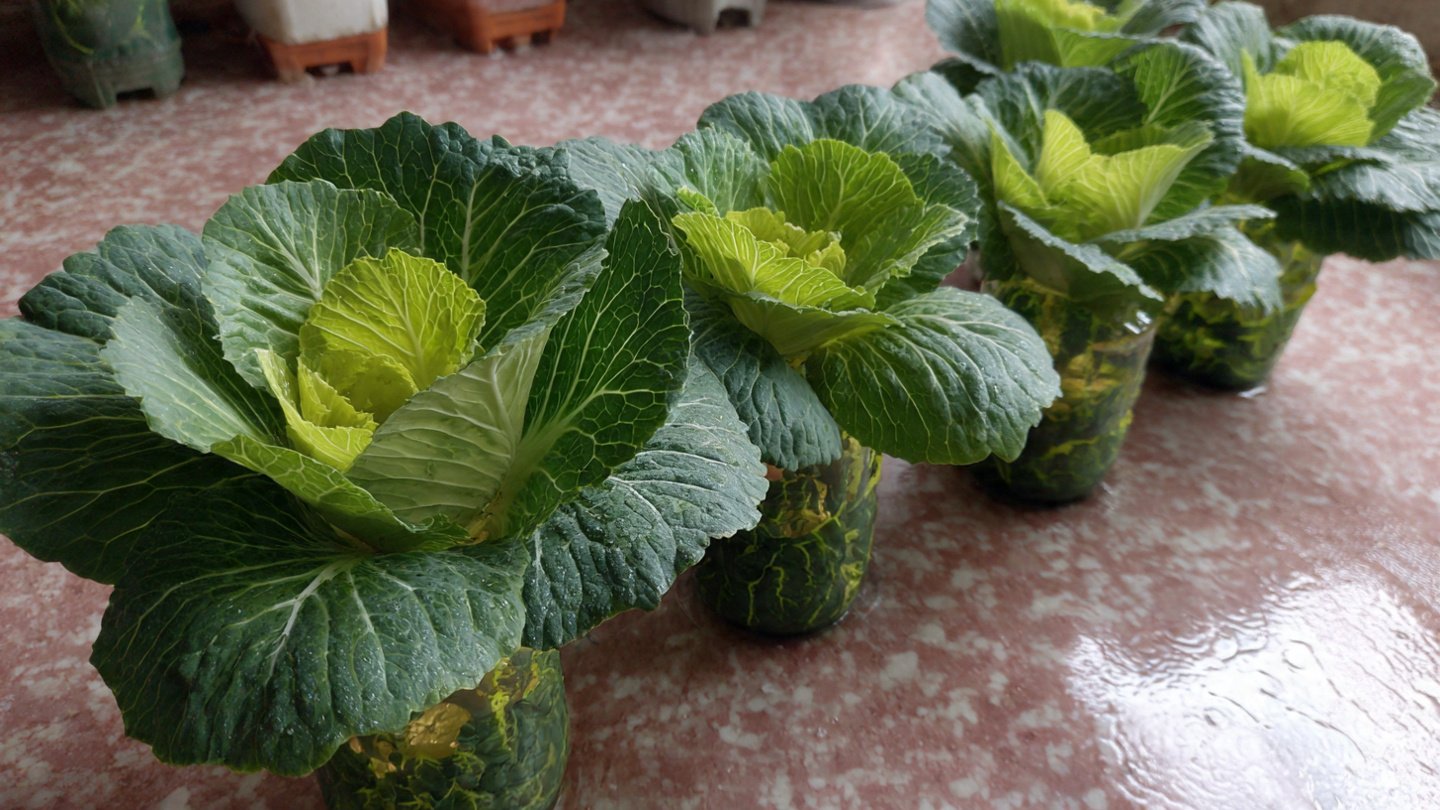
In today’s world, where urban spaces are shrinking and environmental consciousness is rising, innovative gardening solutions are becoming essential. One such surprising and highly effective method is growing cabbage in plastic bottles. This approach not only recycles waste bottles but also allows anyone—even those with tiny balconies or terraces—to cultivate big, healthy cabbage heads at home with virtually zero cost. For housewives, hobby gardeners, and urban dwellers, this technique is a game-changer, offering maximum yield in minimal space.
The Genius of Plastic Bottle Gardening
Plastic bottles are usually considered waste, but with a little creativity, they can become productive mini-gardens. Urban gardeners, especially housewives, have discovered that these bottles provide a controlled environment that allows vegetables like cabbage to thrive. The advantages of plastic bottle gardening are numerous:
- Space Efficiency: Bottles can be arranged vertically, stacked, or hung, making the most of small spaces.
- Cost-Effective: Using discarded bottles eliminates the need to buy pots or planters.
- Controlled Growth: The size of the bottle allows precise control of water and nutrients, reducing the risk of overwatering or nutrient deficiency.
- Environmental Impact: Repurposing plastic bottles prevents them from becoming waste in landfills, promoting eco-friendly living.
This simple innovation transforms what was once trash into a tool for sustainable food production, while also providing fresh, nutritious cabbage right at home.
Selecting the Right Plastic Bottles
Not all plastic bottles are ideal for cabbage cultivation. Choosing the right bottles is crucial for healthy growth:
- Size: Medium to large bottles, ideally 2–5 liters, work best to accommodate cabbage roots.
- Type: Bottles should be sturdy enough to hold soil without collapsing. Opaque bottles are preferable because they prevent algae growth inside the soil.
- Condition: Bottles should be clean and free from chemical residues to ensure safe food production.
Once the right bottles are collected, they can be cut and prepared for planting.
Preparing the Bottles for Planting
Proper preparation ensures that cabbage plants have the right environment to grow:
- Cleaning: Thoroughly wash bottles with soap and water. This removes dirt and potential contaminants.
- Cutting: Cut off the top portion of the bottle to create an opening for soil and seedlings. Some gardeners leave the top as a funnel for watering.
- Drainage Holes: Puncture small holes at the bottom to prevent waterlogging and root rot.
- Soil Mix: Use nutrient-rich soil, combining garden soil, compost, and sand in a 2:1:1 ratio. Adding organic fertilizers like vermicompost ensures the cabbage has enough nutrients to grow large heads.
Once prepared, bottles are ready for sowing seeds or transplanting seedlings.
Choosing Between Seeds and Seedlings
Cabbage can be grown from seeds or seedlings, and each approach has its benefits:
- Seeds: Growing from seeds is economical and allows gardeners to select specific cabbage varieties. Seeds are sown 1–2 cm deep in the soil-filled bottles and watered gently to prevent washing away.
- Seedlings: Transplanting seedlings gives faster results and higher initial survival rates. Seedlings with 4–6 leaves are ideal for transplanting into bottles.
Both methods can produce big, healthy cabbages, but using seedlings often results in faster growth and larger heads.
Planting and Care Techniques
Cabbage requires careful attention to ensure maximum yield:
- Spacing: Even in bottles, cabbage needs room for roots to expand. For large bottles, planting one cabbage per container is ideal.
- Sunlight: Cabbage thrives in 5–6 hours of sunlight daily. Bottles can be arranged on balconies, terraces, or windowsills to maximize exposure.
- Watering: Consistent moisture is key. Water gently to avoid soil displacement, ensuring the soil remains moist but not waterlogged.
- Fertilization: Organic fertilizers such as compost tea, cow dung, or liquid homemade fertilizers promote strong, healthy growth. Supplementing with nitrogen-rich fertilizers encourages leafy growth and large cabbage heads.
Consistent care ensures that cabbage plants grow fast and develop dense, flavorful heads.
Managing Pests and Diseases
Even container-grown cabbage can face challenges from pests and diseases. Common problems include aphids, cabbage worms, and fungal infections. Housewives and urban gardeners often employ low-cost, eco-friendly solutions:
- Neem Oil Sprays: Effective against most insects without harming the plant or humans.
- Garlic or Chili Extracts: Natural repellents for pests.
- Physical Barriers: Fine mesh covers or nets prevent insects from reaching the plants.
Regular monitoring and timely intervention ensure that cabbage remains healthy, promoting maximum yield.
Harvesting Big, Healthy Cabbage
One of the most impressive aspects of bottle-grown cabbage is the size and quality of the harvest. By providing optimal soil, nutrients, and water, gardeners can produce dense heads comparable to field-grown cabbage.
- Timing: Cabbage is ready for harvest when heads feel firm and compact. Depending on the variety and growing conditions, this usually takes 70–90 days from transplanting.
- Method: Cut the head at the base with a sharp knife, leaving the stem and small leaves for potential regrowth.
- Sequential Harvesting: Stagger planting times to ensure continuous cabbage production in multiple bottles.
Many urban gardeners report that bottle-grown cabbage not only yields big heads but also tastes fresher and sweeter than store-bought varieties.
Maximizing Yield in Small Spaces
The true advantage of plastic bottle cabbage gardening is the ability to grow large quantities in limited areas:
- Vertical Gardening: Bottles can be hung from walls or balcony rails to maximize vertical space.
- Stacking and Tiering: Using stands or shelves allows multiple layers of bottle gardens, increasing overall yield.
- Sequential Planting: Planting seedlings or seeds at intervals ensures continuous harvests throughout the season.
With these techniques, even a small balcony can produce enough cabbage to feed a family or share with neighbors, demonstrating the incredible efficiency of this method.
Environmental and Economic Benefits
Plastic bottle gardening is not only productive but also sustainable:
- Waste Reduction: Repurposing plastic bottles prevents them from polluting the environment.
- Zero-Cost Gardening: Using waste bottles eliminates the cost of purchasing pots or planters.
- Reduced Carbon Footprint: Growing cabbage at home reduces dependence on store-bought vegetables, which require transport and packaging.
Moreover, this approach inspires a culture of resourcefulness and eco-conscious living, showing that waste can be transformed into something valuable and productive.
Community and Social Impact
Urban gardeners often share their experiences with neighbors and friends, creating communities of sustainable gardeners. Workshops and online tutorials about plastic bottle gardening have empowered housewives and students to grow their own vegetables at home, spreading awareness about sustainability and nutrition.
This method also has educational benefits, teaching children and young adults about food production, recycling, and the importance of resource conservation. A small plastic bottle, once discarded, becomes a classroom for sustainable living.
Conclusion
The plastic bottle cabbage growing method is a testament to human creativity and adaptability. Housewives and urban gardeners across the world are proving that you don’t need acres of land to grow healthy, large vegetables. With minimal cost, proper preparation, and consistent care, even small spaces can yield impressive cabbage heads, ensuring fresh, nutritious food for families.
This method is more than just a gardening hack—it’s an opportunity to embrace sustainability, reduce waste, and take control of the food we consume. By turning discarded plastic bottles into productive mini-gardens, we are not only growing cabbage but also cultivating a mindset of ingenuity, resourcefulness, and environmental responsibility.
For anyone looking to start their own urban garden with zero cost and maximum yield, this plastic bottle cabbage technique is a simple yet revolutionary step. In a world where space is limited, and healthy food is invaluable, these small bottles prove that even the humblest resources can produce big results.