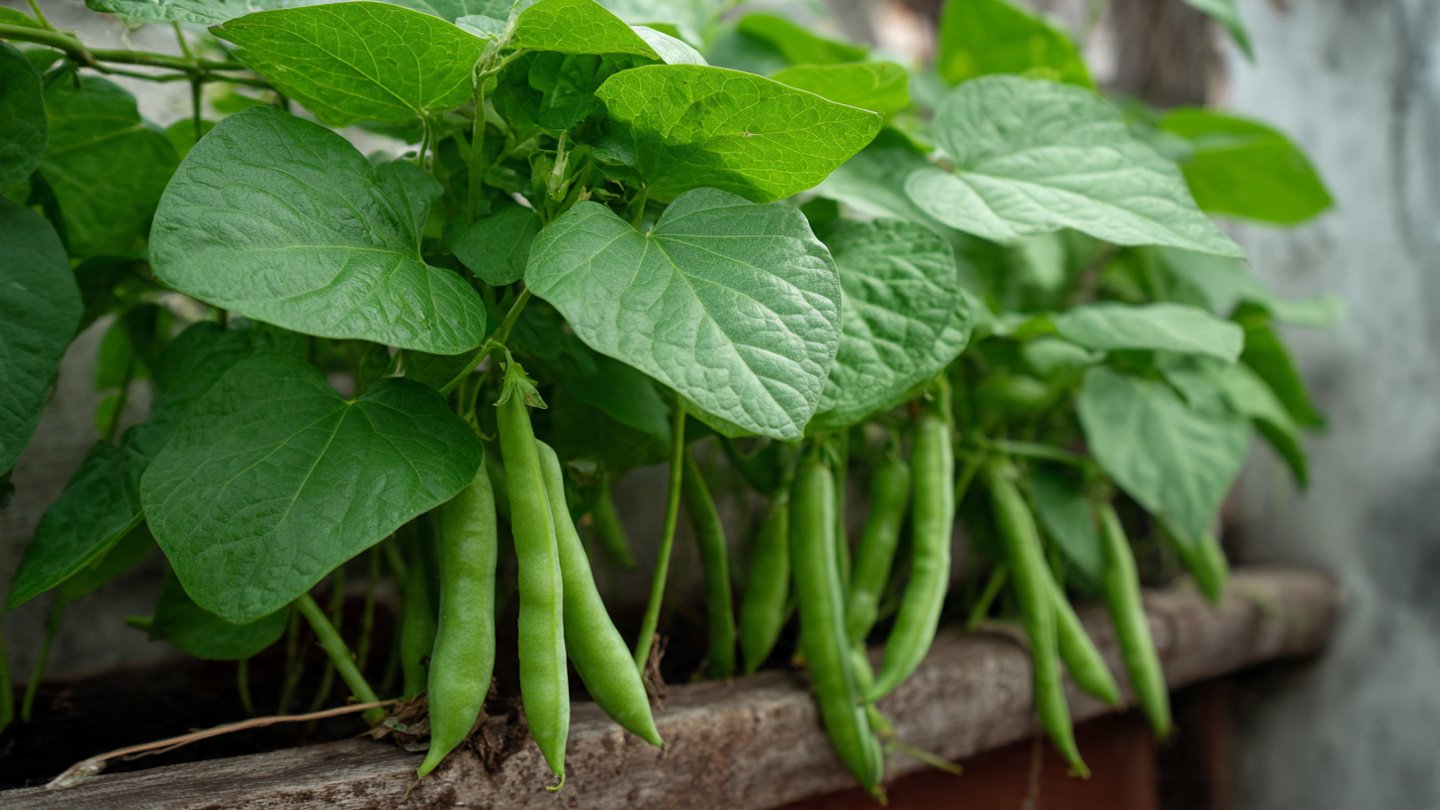
Cowpeas, also known as black-eyed peas or Southern peas, are hardy legumes that provide an excellent source of protein, fiber, vitamins, and minerals. They are versatile in cooking and can be grown in a variety of climates. While traditionally considered a warm-season crop, it is entirely possible to grow off-season cowpeas at home, allowing you to enjoy fresh beans year-round, even when they are not available in markets. This simple and effective guide will walk you through the steps, tips, and techniques needed to grow healthy cowpeas in your backyard or even in containers.
Why Grow Off-Season Cowpeas at Home?
Growing cowpeas off-season provides several benefits:
- Continuous supply – Enjoy fresh, nutritious beans even when they are out of season in stores.
- Cost-effective – Avoid purchasing expensive off-season produce.
- Control over quality – Grow pesticide-free, organic cowpeas in a safe and natural environment.
- Soil enrichment – As a legume, cowpeas fix nitrogen in the soil, improving fertility for future crops.
With proper planning, off-season cowpea cultivation can be simple, efficient, and highly rewarding.
Choosing the Right Cowpea Variety
To successfully grow cowpeas off-season, selecting the right variety is crucial. Some cowpea varieties are more tolerant of cooler temperatures and shorter daylight periods. Consider these types:
- Early-maturing varieties – These mature in 50–60 days, making them ideal for off-season planting.
- Cold-tolerant varieties – Certain local or hybrid varieties can withstand mild off-season temperatures.
- Bush vs. climbing types – Bush types are easier to manage in containers and small spaces, while climbing types need support but may produce higher yields.
Check with local seed suppliers for varieties suited to your climate and off-season planting conditions.
Preparing the Soil
Cowpeas thrive in well-draining, sandy-loamy soil with a neutral to slightly acidic pH of 6.0–7.0. For off-season planting, soil preparation is key:
- Clear debris – Remove weeds, stones, and old plant residues.
- Add organic matter – Incorporate compost, well-rotted manure, or leaf mold to improve fertility.
- Improve drainage – Mix sand or perlite into heavy soil to prevent waterlogging, which can harm roots.
- Test pH – Adjust with lime or sulfur if necessary to maintain optimal pH levels.
A well-prepared bed or container ensures strong root development and healthy plants, which is essential for off-season growth.
Using Containers for Off-Season Growth
Growing cowpeas in pots or containers allows you to better control temperature, moisture, and soil quality—critical factors when cultivating off-season crops.
- Pot size: Choose containers at least 12–15 inches deep and 12–18 inches wide for bush varieties; larger containers are better for climbing types.
- Drainage: Ensure multiple drainage holes to prevent root rot.
- Mobility: If possible, use movable pots to shift plants to sunny spots or protect them from cold winds.
Container gardening is particularly useful during cooler months when soil in open fields may not warm up quickly.
Timing and Temperature
Off-season cowpea growth relies on managing temperature and light conditions:
- Ideal temperature: Cowpeas grow best between 70°F–90°F (21°C–32°C). Below 60°F (15°C), germination and growth slow down significantly.
- Light: Cowpeas require 6–8 hours of sunlight daily. During short winter days, supplement with grow lights to maintain healthy growth.
- Planting schedule: Start seeds indoors or in a protected environment 2–4 weeks before outdoor planting, then transplant when temperatures stabilize.
By carefully timing planting and managing temperature, you can successfully grow cowpeas even in traditionally unfavorable months.
Seed Preparation and Sowing
Proper seed preparation boosts germination rates and ensures vigorous seedlings:
- Soak seeds – Soak cowpea seeds in warm water for 6–12 hours to soften the seed coat and speed up germination.
- Pre-germinate (optional) – Place soaked seeds on a damp paper towel until they sprout tiny roots, usually within 1–2 days.
- Sow depth: Plant seeds 1–2 inches deep in soil or potting mix.
- Spacing: Maintain 4–6 inches (10–15 cm) between seeds in pots; rows in a garden bed should be 12–18 inches apart.
- Water gently – Keep soil consistently moist until germination, avoiding waterlogging.
Seeds typically sprout within 7–10 days if temperature and moisture are adequate.
Watering and Fertilization
Cowpeas are drought-tolerant once established, but consistent moisture is crucial for off-season growth:
- Watering: Keep the soil evenly moist but not soggy. Water deeply once or twice a week depending on weather conditions. Reduce watering slightly during cooler periods to prevent fungal growth.
- Fertilization: Cowpeas naturally fix nitrogen, so excessive nitrogen fertilizers are unnecessary. Provide a balanced, phosphorus- and potassium-rich fertilizer at planting to promote root development and flowering. Liquid compost teas or organic fertilizers every 3–4 weeks can also improve plant vigor.
Proper water and nutrient management ensures strong plants and bountiful yields.
Pest and Disease Management
Even off-season crops are vulnerable to pests and diseases. Preventive measures are more effective than cures:
- Aphids and whiteflies: Spray with neem oil or insecticidal soap if infestations appear.
- Fungal diseases: Powdery mildew or root rot can occur in damp conditions. Ensure good air circulation and avoid overwatering.
- Pests in containers: Check regularly for caterpillars, snails, or mites and remove them manually or treat with organic solutions.
Regular inspection, clean soil, and proper watering are essential to minimize problems.
Flowering, Pod Development, and Pollination
Cowpeas typically begin flowering 6–8 weeks after planting. Flowers are self-pollinating, but gentle hand-pollination with a soft brush can improve pod set in indoor or greenhouse settings.
- Flowering tips: Healthy, dark green foliage encourages more flowers.
- Pod development: Pods usually mature 30–40 days after flowering. Avoid disturbing plants during this stage to ensure optimal pod growth.
Proper care during flowering and pod development ensures maximum yields even off-season.
Harvesting Cowpeas
Cowpeas can be harvested either young (green) or mature (dry):
- Green harvest: Pick pods when they are tender and seeds are fully formed but still soft. This is ideal for fresh cooking.
- Dry harvest: Allow pods to mature and dry on the plant. Harvest when pods turn brown and brittle, then shell the seeds for storage.
Storage tips:
- Dry seeds thoroughly before storing in airtight containers to prevent mold.
- Store in a cool, dry place for several months.
Off-season cowpeas, when harvested correctly, can provide fresh or stored produce long after conventional season crops are gone.
Tips for Maximizing Off-Season Yield
- Choose the right location: Place pots or beds where sunlight is abundant, even during winter months.
- Temperature management: Use row covers, plastic tunnels, or greenhouses to maintain warmth in cooler months.
- Stagger planting: Sow seeds every 2–3 weeks to ensure a continuous harvest.
- Prune carefully: Remove dead or yellowing leaves to redirect energy to pods.
- Rotate crops: Avoid planting cowpeas repeatedly in the same soil to prevent disease buildup.
By following these tips, even small spaces can produce healthy, productive cowpea plants off-season.
Common Mistakes to Avoid
- Planting in cold soil: Germination is slow and uneven below 60°F (15°C).
- Overwatering: Leads to root rot, especially in containers.
- Neglecting sunlight: Short winter days reduce flowering and pod formation.
- Ignoring pests and diseases: Small infestations can quickly devastate plants indoors.
Being mindful of these pitfalls helps ensure a successful off-season harvest.
Conclusion
Growing off-season cowpeas at home is not only possible but also highly rewarding. By choosing the right variety, preparing nutrient-rich soil, managing temperature, and maintaining proper care, you can enjoy fresh, healthy cowpeas year-round. Whether grown in containers, raised beds, or small garden plots, off-season cultivation provides a reliable source of protein, improves soil fertility, and adds a satisfying dimension to your home gardening routine.
With this simple and effective guide, you can turn your home into a small cowpea farm, proving that even outside the traditional growing season, fresh, delicious legumes are just a few careful steps away.