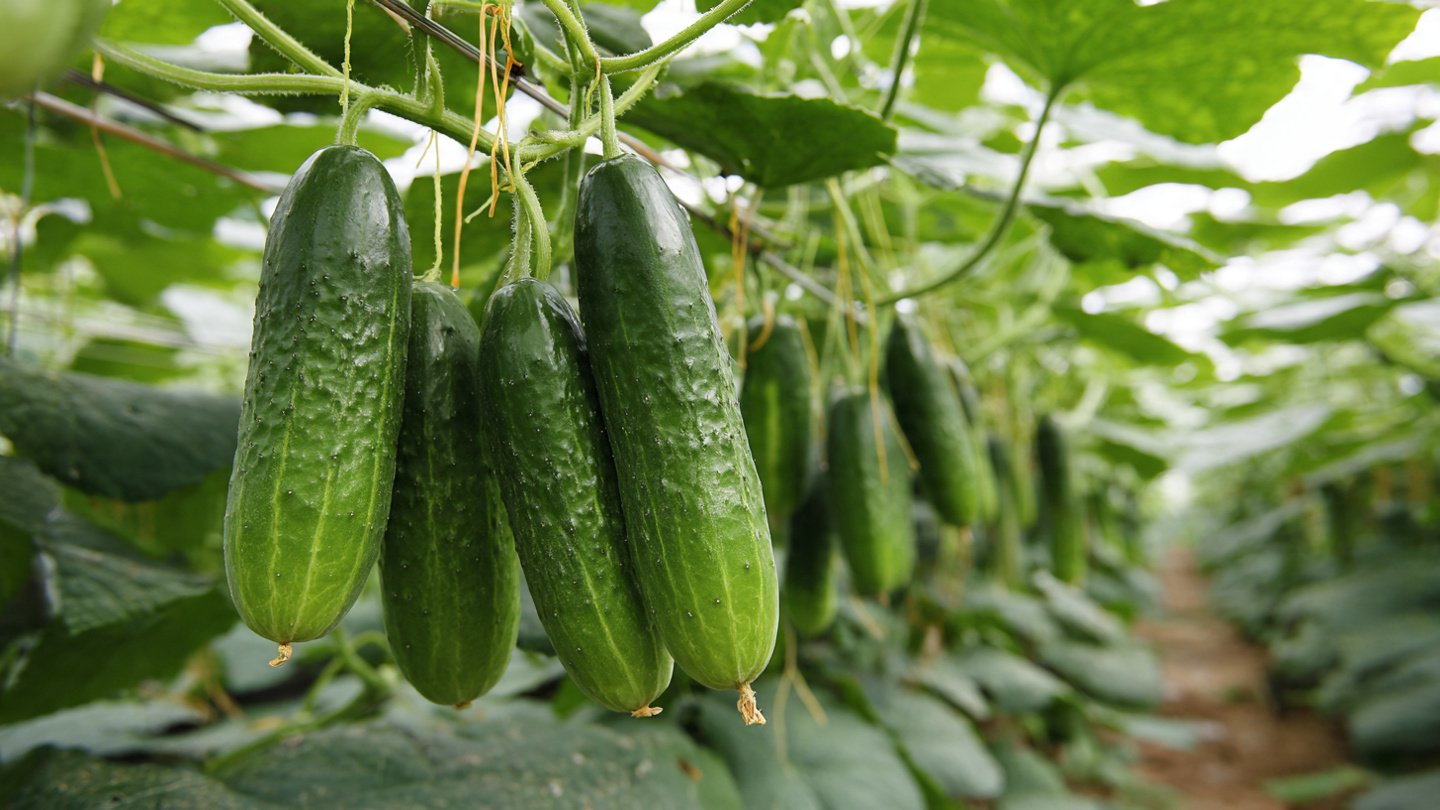
Cucumbers are one of the most rewarding vegetables to grow, especially when done right. With the proper care, a few plants can produce baskets of crisp, flavorful cucumbers throughout the growing season. However, many gardeners struggle with poor flowering, bitter fruit, or low yields. The good news is that cucumbers respond quickly to the right growing techniques.
Whether you’re growing cucumbers in a backyard garden, raised bed, or container, following proven methods can dramatically increase fruit production. This guide covers tested, practical tips to grow cucumbers for maximum fruit and high yield, from soil preparation to harvesting.
Choose the Right Cucumber Variety
High yield starts with selecting the right variety for your climate and purpose. Cucumbers fall into two main categories:
- Slicing cucumbers for fresh eating
- Pickling cucumbers for preserving
For maximum production, look for:
- Disease-resistant varieties
- Hybrid or improved cultivars
- Varieties suited to your growing season length
Bush varieties work well for containers, while vining types generally produce higher yields when grown on trellises.
Start with Healthy Seeds or Seedlings
Strong plants produce more fruit. Use fresh, high-quality seeds or sturdy seedlings with:
- Dark green leaves
- Thick stems
- No signs of disease or stress
If starting seeds indoors, sow them 3–4 weeks before transplanting. Cucumbers dislike root disturbance, so use biodegradable pots or transplant carefully.
Prepare Rich, Well-Draining Soil
Cucumbers are heavy feeders and need nutrient-rich soil to produce abundantly. Prepare your soil before planting by:
- Adding compost or well-rotted manure
- Ensuring loose, well-draining texture
- Maintaining a soil pH between 6.0 and 6.8
Healthy soil supports strong root development, which directly affects flowering and fruit set.
Plant at the Right Time and Spacing
Cucumbers are warm-season crops and should only be planted after the danger of frost has passed. Soil temperatures should be at least 60°F (16°C), with optimal growth at warmer temperatures.
Proper spacing is critical:
- Space vining plants 12–18 inches apart
- Bush varieties need about 24 inches
- Avoid overcrowding to improve airflow and pollination
Good spacing reduces disease risk and allows plants to focus energy on fruit production.
Provide Full Sun for Maximum Growth
Cucumbers thrive in sunlight. For high yields, they need:
- At least 6–8 hours of direct sun daily
- Protection from strong winds
More sunlight means more photosynthesis, which results in stronger vines, more flowers, and higher fruit production.
Use Trellising to Boost Yield
Growing cucumbers vertically is one of the most effective ways to increase yield. Trellising offers multiple benefits:
- Improves air circulation
- Reduces disease and pest issues
- Keeps fruit clean and straight
- Allows plants to produce more cucumbers in less space
Use stakes, cages, or netting to support vining varieties. Vertical growth encourages more female flowers, which produce fruit.
Water Consistently and Deeply
Inconsistent watering is one of the main causes of bitter cucumbers and poor yields. Cucumbers need regular moisture, especially during flowering and fruit development.
Best watering practices include:
- Water deeply 1–1.5 inches per week
- Avoid shallow, frequent watering
- Keep soil evenly moist, not soggy
Mulching around plants helps retain moisture and regulate soil temperature.
Feed Cucumbers for Continuous Production
Cucumbers require regular feeding to maintain high productivity. Start with nutrient-rich soil, then supplement as plants grow.
Recommended feeding schedule:
- Apply balanced fertilizer at planting
- Switch to higher potassium fertilizer when flowering begins
- Feed every 2–3 weeks during the growing season
Avoid excess nitrogen, which promotes leafy growth at the expense of fruit.
Encourage Pollination for Better Fruit Set
Cucumbers produce male and female flowers. For fruit to form, pollination must occur. To improve pollination:
- Attract bees by planting flowers nearby
- Avoid spraying pesticides during flowering
- Hand-pollinate if necessary using a small brush
Better pollination results in larger, more uniform cucumbers and higher overall yield.
Prune Strategically for More Fruit
Light pruning can significantly increase cucumber yield. Focus on:
- Removing weak or diseased vines
- Pinching excessive side shoots
- Redirecting energy toward fruit-bearing stems
Avoid over-pruning, as leaves are essential for photosynthesis.
Control Pests and Diseases Early
Common cucumber problems include aphids, cucumber beetles, powdery mildew, and downy mildew. Left untreated, these issues can drastically reduce yield.
Preventive measures include:
- Regular inspection of leaves and stems
- Neem oil or insecticidal soap for pests
- Proper spacing and airflow
- Removing infected plants promptly
Healthy plants consistently produce more fruit.
Harvest Frequently to Increase Production
One of the most overlooked yield-boosting tips is frequent harvesting. Cucumbers should be picked:
- When they reach ideal size
- Before seeds become large
- Every 1–2 days during peak season
Regular harvesting signals the plant to produce more flowers and fruit. Overripe cucumbers left on the vine reduce overall productivity.
Maintain Optimal Temperature Conditions
Cucumbers grow best in temperatures between 70–85°F (21–29°C). Extreme heat or cold can stress plants and reduce yield.
To manage temperature:
- Use mulch to keep roots cool
- Provide shade during heatwaves
- Protect young plants from cold nights
Stable conditions lead to continuous flowering and fruiting.
Rotate Crops for Long-Term Success
Avoid planting cucumbers in the same spot year after year. Crop rotation helps:
- Prevent soil-borne diseases
- Improve soil fertility
- Reduce pest buildup
Rotate with legumes, leafy greens, or root crops for best results.
Final Thoughts
Growing cucumbers for maximum fruit and high yield is all about balance—healthy soil, consistent water, proper feeding, and attentive care. By choosing the right varieties, providing adequate sunlight, supporting vines, and harvesting regularly, even beginner gardeners can achieve impressive results.
With these proven cucumber-growing tips, your plants can produce abundantly throughout the season, delivering crisp, flavorful cucumbers for salads, pickling, and fresh eating. A little planning and consistent care go a long way toward turning a few cucumber plants into a high-yield harvest.