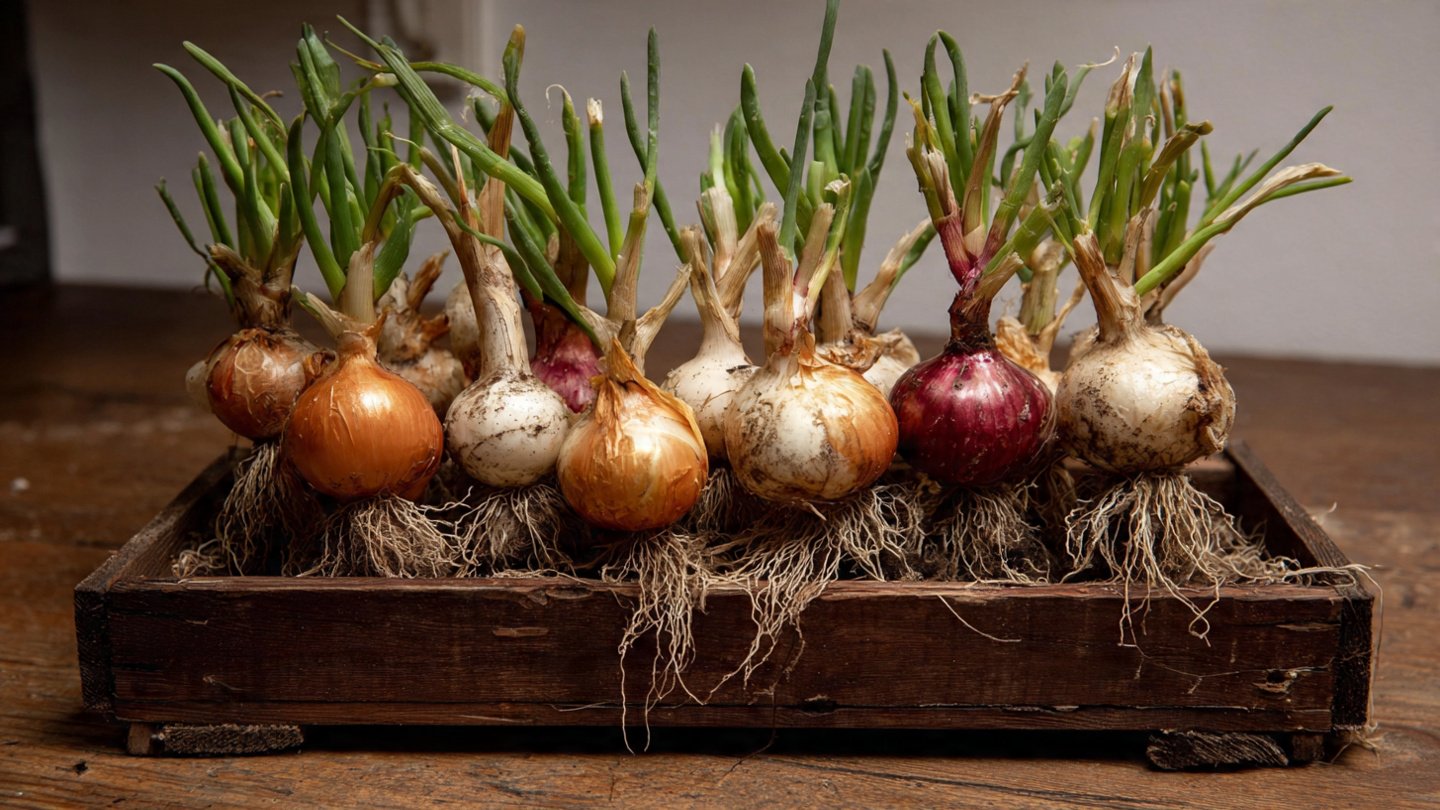
Onions are a kitchen staple, adding flavor, aroma, and nutrition to countless dishes around the world. Yet, despite their common presence in our kitchens, many people are unaware of how easy it is to grow onions at home. Whether you have a backyard garden, a balcony, or even a sunny windowsill, cultivating onions can be both simple and highly rewarding. Once you understand the process, you may wonder, “Why didn’t I know this earlier?” This guide will reveal the secrets to growing onions, from selecting varieties to harvesting, and show why homegrown onions are a game-changer.
Why Grow Onions at Home?
Growing onions at home offers several benefits that make the effort worthwhile:
- Freshness and flavor: Homegrown onions are fresher and more flavorful than store-bought varieties, which may have been stored for months.
- Cost savings: Onion prices fluctuate seasonally, but growing your own ensures a steady supply at minimal cost.
- Nutritional value: Freshly harvested onions retain more vitamins, antioxidants, and minerals.
- Variety: You can grow unique onion types not commonly found in stores, such as red, white, or sweet onions.
- Satisfaction: There’s a special joy in planting seeds or bulbs and harvesting the result of your effort.
The more you learn about onions, the more obvious it becomes why everyone should try growing them.
Understanding Onion Types
Before planting, it’s important to know the main types of onions, as each has different growing requirements:
- Short-day onions: These onions need about 10–12 hours of daylight to form bulbs. They are ideal for southern regions where winter days are short.
- Long-day onions: Requiring 14–16 hours of sunlight, these onions thrive in northern climates during long summer days.
- Day-neutral onions: These onions form bulbs regardless of day length and are suitable for most regions.
Choosing the right type for your location is crucial for bulb development. Day length and climate will influence whether your onions grow big, sweet, and firm or remain small and spindly.
Selecting Seeds, Sets, or Bulbs
Onions can be grown from seeds, sets, or transplants. Each method has advantages:
- Seeds: Cheapest option and offers a wide variety, but take longer to mature.
- Sets: Small, immature bulbs that grow faster and are easier for beginners.
- Transplants: Young seedlings that give you a head start, especially useful for short growing seasons.
For first-time home growers, onion sets or transplants are often recommended because they simplify the process and reduce the risk of failure.
Preparing the Soil
Onions thrive in loose, well-draining soil rich in organic matter. They prefer a pH of 6.0–7.0. Proper soil preparation ensures healthy roots and large bulbs:
- Loosen the soil – Till or dig to a depth of 8–10 inches to allow roots to expand.
- Add compost – Incorporate well-rotted compost or manure to provide nutrients.
- Check drainage – Onions do not tolerate waterlogged soil, which can lead to rot and disease.
Raised beds or containers work well for homegrown onions, especially if your garden soil is heavy clay.
Planting Onions
The method of planting depends on whether you are using seeds, sets, or transplants:
- Seeds: Sow seeds ¼–½ inch deep in rows spaced 12–18 inches apart. Thin seedlings to 2–4 inches apart once they sprout.
- Sets: Plant sets 1 inch deep and 4 inches apart, with the pointed end facing up.
- Transplants: Space young seedlings 4–6 inches apart in rows 12–18 inches apart.
Tip: Plant onions in a location with full sun. They need at least 6–8 hours of sunlight daily to form large bulbs.
Watering and Fertilizing
Onions have shallow roots, so consistent watering is essential:
- Watering: Keep the soil evenly moist, especially during dry spells. Avoid overwatering to prevent rot.
- Fertilizing: Onions are heavy feeders. Use a nitrogen-rich fertilizer during early growth to encourage strong leaves. Once bulbs start forming, switch to a phosphorus- and potassium-rich fertilizer to promote bulb development.
Mulching around the plants helps retain moisture, suppress weeds, and regulate soil temperature. Straw or dried grass works perfectly.
Caring for Your Onions
Regular maintenance ensures healthy growth and high yields:
- Weeding: Onions compete poorly with weeds, so keep the area clean.
- Pest management: Common pests include onion maggots and thrips. Use neem oil or insecticidal soap if infestations occur.
- Disease prevention: Rotate crops each year to prevent fungal diseases. Avoid planting onions where other alliums (garlic, leeks) were recently grown.
Proper care pays off, resulting in strong, vigorous plants that will form large, flavorful bulbs.
Understanding Onion Growth Stages
Onions grow in distinct stages:
- Seedling stage: Plants produce leafy greens. This is the best time to fertilize with nitrogen.
- Bulbing stage: Triggered by day length, plants divert energy to bulb formation. Switch to a phosphorus- and potassium-rich fertilizer.
- Maturation stage: Leaves begin to yellow and fall over. Reduce watering to encourage the bulbs to harden for storage.
Recognizing these stages ensures you provide the right care at the right time.
Harvesting Onions
Onions are ready to harvest when the tops turn yellow and begin to fall over:
- Loosen soil gently – Use a garden fork to lift bulbs without damaging them.
- Cure onions – Dry them in a well-ventilated, shaded area for 2–3 weeks. Proper curing extends shelf life and enhances flavor.
- Store onions – Once cured, store in a cool, dry place. Mesh bags or baskets work well for airflow.
Green onions (scallions) can be harvested earlier if you prefer tender, mild-flavored stems.
Common Mistakes to Avoid
Even though onions are relatively easy to grow, beginners often make mistakes:
- Planting too deep or too shallow: This can stunt growth or cause rot.
- Ignoring sunlight requirements: Lack of sun produces small bulbs.
- Overwatering: Shallow roots are vulnerable to rot in soggy soil.
- Neglecting nutrients: Insufficient fertilizer leads to weak growth and poor bulb development.
Avoiding these pitfalls ensures a successful onion harvest, making you wonder why you didn’t start growing them earlier.
Tips for Maximizing Onion Yield
- Succession planting: Plant sets every 2–3 weeks for a continuous harvest.
- Companion planting: Onions repel pests from carrots, lettuce, and tomatoes.
- Space properly: Crowding reduces bulb size; give each plant room to grow.
- Regular inspection: Remove diseased leaves promptly to prevent spread.
- Container planting: Even small spaces can yield plenty of onions if properly managed.
By following these tips, your onions can thrive, providing flavorful additions to meals for months.
Why Homegrown Onions Are Better
Once you’ve grown your own onions, it’s easy to understand why homegrown varieties are superior:
- Freshness: Picked at peak maturity, they are sweeter and juicier.
- Variety: Grow types not available in stores, like candy onions or heirloom reds.
- Control: Avoid chemicals and pesticides.
- Satisfaction: There’s unmatched joy in harvesting what you grew with your own hands.
No wonder gardeners often say, “Why didn’t I know how to grow these onions earlier?”
Conclusion
Growing onions at home is easier than many think, and the benefits go far beyond saving money. From selecting the right type, preparing soil, and planting sets or seeds, to careful watering, fertilization, and harvesting, each step contributes to healthier, tastier onions. Even small containers or balcony gardens can yield an impressive crop.
Once you experience the flavor, freshness, and satisfaction of homegrown onions, it becomes clear why this simple vegetable deserves a spot in every garden. The knowledge of growing onions is empowering, transforming your meals and your gardening experience. Truly, it’s awesome—so much so that you might ask yourself, “Why didn’t I know how to grow these onions earlier?”
Word count: 1,212