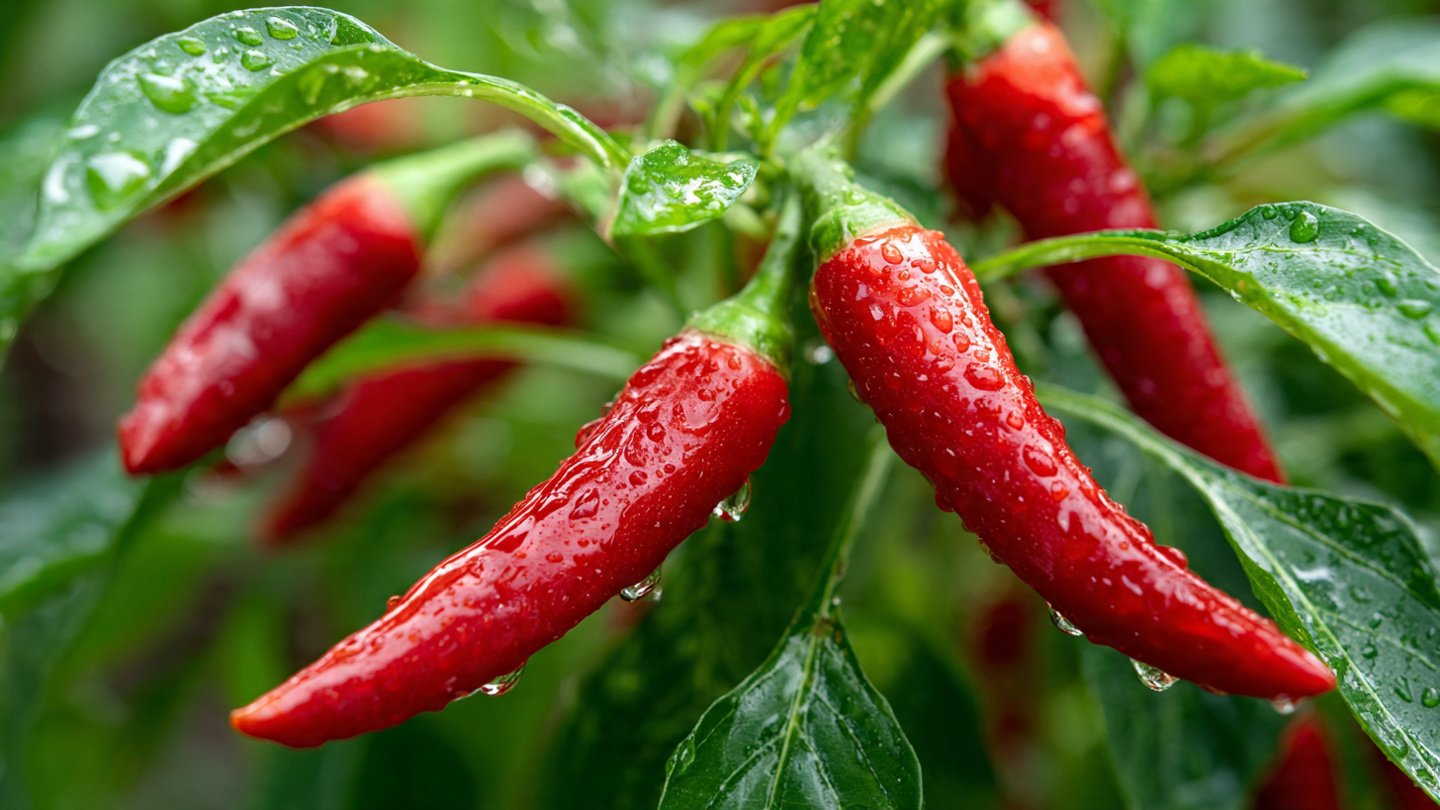
Chili peppers are among the most rewarding plants to grow at home. They not only add spice and flavor to your culinary creations but also bring a vibrant splash of color to your garden, balcony, or windowsill. Whether you love sweet bell peppers, fiery habaneros, or moderately hot cayennes, growing your own chili peppers allows you to control freshness, flavor, and heat level—all from the comfort of your home.
However, while chili peppers are fun to grow, they require proper care and attention to thrive. From seed selection to harvesting, there are several key steps that can make a significant difference in the health and productivity of your chili plants. This ultimate guide will cover everything you need to know to cultivate bountiful, flavorful chili peppers at home.
1. Choosing the Right Chili Varieties
The first step in a successful chili-growing journey is selecting the right varieties for your home garden. Chilies vary widely in heat levels, growth habits, and size. Some popular choices for beginners and home growers include:
- Bell Peppers: Mild, sweet, and perfect for salads or cooking.
- Jalapeños: Medium heat, ideal for pickling or stuffing.
- Cayenne: Hot and versatile for drying or powdered spice.
- Habanero or Scotch Bonnet: Extremely hot, ideal for adventurous cooks.
When choosing a variety, consider:
- Climate Suitability: Hot peppers need plenty of sunlight and warm temperatures, while some milder varieties tolerate cooler conditions.
- Space Availability: Compact or dwarf varieties are ideal for pots, small balconies, or windowsills.
- Harvest Time: Some varieties produce fruit faster, allowing for an earlier harvest.
Selecting a variety suited to your climate and space ensures your chili plants flourish and bear abundant fruit.
2. Starting from Seeds: The Foundation of Healthy Plants
Most chili peppers are grown from seeds, which allow you to experiment with different varieties and flavors. Here’s how to get started:
- Seed Selection: Choose high-quality seeds from reputable suppliers for the best germination rates.
- Soil Preparation: Use a seed-starting mix or light potting soil. Avoid heavy garden soil, which can inhibit seed germination.
- Sowing Seeds: Plant seeds about ¼ inch deep in trays or small pots. Lightly cover with soil and water gently.
- Temperature and Light: Chili seeds require warmth to germinate—ideally 75–85°F (24–29°C). Place trays in a sunny spot or use a grow light.
Germination usually takes 1–3 weeks, depending on the variety and growing conditions. Once seedlings develop 2–3 true leaves, they can be transplanted into larger pots or your garden.
3. Choosing the Perfect Location
Chili peppers thrive in sunlight and warmth, making location a critical factor in their growth.
- Sunlight: Peppers need 6–8 hours of direct sunlight per day. South-facing windows, balconies, or garden beds are ideal.
- Temperature: Daytime temperatures of 70–85°F (21–29°C) and nighttime temperatures above 60°F (16°C) are optimal. Temperatures below 50°F (10°C) slow growth and may damage plants.
- Airflow: Good air circulation reduces the risk of fungal diseases and promotes healthy growth. Avoid crowded spaces.
For indoor growers, placing chili peppers near a bright window or using full-spectrum grow lights ensures your plants receive adequate light for strong growth and fruiting.
4. Soil and Potting Tips
Healthy soil is essential for chili pepper growth. Here are some tips:
- Soil Type: Use well-draining, loamy soil rich in organic matter. Avoid waterlogged soils that can cause root rot.
- pH Level: Chili peppers prefer slightly acidic to neutral soil (pH 6.0–7.0).
- Fertilization: Use balanced fertilizers or compost to provide nutrients. Once plants start flowering, a phosphorus-rich fertilizer encourages fruit development.
If growing in containers, select pots with adequate drainage holes and ensure they are large enough to accommodate root growth. A 12-inch pot is generally suitable for one medium-sized plant.
5. Watering and Moisture Management
Proper watering is crucial for healthy chili plants:
- Consistent Moisture: Keep the soil evenly moist but not soggy. Overwatering can lead to root rot, while underwatering causes stress and reduces fruit yield.
- Mulching: Applying organic mulch around the base of the plant helps retain moisture, regulate soil temperature, and reduce weeds.
- Watering Technique: Water at the base of the plant rather than overhead to prevent fungal diseases and leaf damage.
Adjust watering frequency based on temperature, humidity, and soil type, ensuring your peppers have consistent access to moisture without sitting in waterlogged soil.
6. Fertilizing for Maximum Yield
Chili peppers are heavy feeders, meaning they require adequate nutrients to thrive and produce abundant fruit. Fertilize strategically:
- Pre-Flowering Stage: Use a balanced fertilizer (NPK 10:10:10) to encourage vegetative growth.
- Flowering and Fruiting Stage: Switch to phosphorus- and potassium-rich fertilizers to boost flowering, fruit set, and pepper development.
- Organic Options: Compost, well-rotted manure, or organic liquid fertilizers provide nutrients while improving soil health.
Avoid over-fertilization, especially with nitrogen, as it encourages leafy growth at the expense of flowers and fruit.
7. Supporting Your Plants
Some chili pepper varieties grow tall and heavy with fruit. Providing support prevents stem breakage and keeps plants upright:
- Stakes: Insert wooden or bamboo stakes and tie plants loosely with soft ties.
- Cages: Tomato cages or trellises provide sturdy support for taller plants.
Supporting your plants also improves air circulation and sunlight penetration, reducing the risk of fungal diseases and promoting larger, healthier peppers.
8. Pest and Disease Management
Chili peppers are relatively hardy but can be affected by pests and diseases. Common issues include:
- Aphids: Small insects that suck sap; can be controlled with insecticidal soap or neem oil.
- Spider Mites: Tiny pests causing yellowing leaves; increase humidity and spray with water or neem oil.
- Fungal Diseases: Powdery mildew, anthracnose, and leaf spot can be minimized with proper spacing, good airflow, and avoiding overhead watering.
Regular monitoring and prompt action are essential for preventing major infestations and ensuring a healthy harvest.
9. Encouraging Flowering and Fruit Set
Flowering is critical for fruit production. To encourage flowering:
- Adequate Sunlight: Ensure plants receive full sun daily.
- Temperature Control: Night temperatures below 55°F (13°C) can hinder flowering.
- Proper Fertilization: Phosphorus promotes flowering, while potassium encourages fruit development.
- Pruning: Remove early flowers on young plants to encourage strong vegetative growth and more flowers later.
Healthy flowering leads to larger and more numerous peppers for your kitchen.
10. Harvesting Your Chili Peppers
Knowing when to harvest ensures the best flavor, color, and heat level:
- Maturity: Most peppers change color when fully ripe—green jalapeños turn red, bell peppers deepen in color, and cayennes turn bright red.
- Texture: Firm and glossy peppers indicate peak freshness.
- Cutting Technique: Use scissors or pruning shears to harvest without damaging the plant.
Regular harvesting encourages the plant to produce more fruit throughout the season.
11. Preserving and Using Your Peppers
Homegrown chili peppers can be used in multiple ways:
- Fresh Cooking: Add to sauces, stir-fries, or salads for a natural, fresh heat.
- Drying: Hang or use a dehydrator to make dried chili flakes or powder.
- Pickling: Preserve peppers in vinegar and spices for long-term use.
- Freezing: Slice and freeze fresh peppers to retain flavor for months.
Preserving chili peppers extends their usefulness and ensures you enjoy your harvest year-round.
12. Extra Tips for Success
To maximize success when growing chili peppers at home:
- Start Seeds Indoors: Begin 8–10 weeks before the last frost for early growth.
- Rotate Crops: Avoid planting peppers in the same spot each year to reduce soil-borne diseases.
- Companion Planting: Grow basil, marigolds, or onions nearby to deter pests naturally.
- Monitor Light: If indoors, supplement with grow lights for 12–16 hours of light daily.
- Patience: Some varieties take 70–100 days to mature, so be patient and consistent in care.
By following these tips, your chili peppers will flourish and produce abundant, flavorful harvests season after season.
Conclusion
Growing chili peppers at home is a rewarding and enjoyable endeavor. From selecting the right variety and preparing soil to providing proper sunlight, water, and nutrients, every step contributes to a healthy, productive plant. Whether you prefer mild peppers for cooking or fiery varieties for bold flavors, homegrown chili peppers offer unmatched freshness and satisfaction.
By following this ultimate guide, you can maximize yields, minimize problems, and enjoy a vibrant, spicy garden that delights your taste buds and brightens your outdoor or indoor space. Growing chili peppers isn’t just about the harvest—it’s about nurturing life, experimenting with flavors, and experiencing the joy of gardening firsthand.
Start with a seed, provide care, and watch as your chili peppers transform your home garden into a bountiful, colorful, and flavorful paradise.