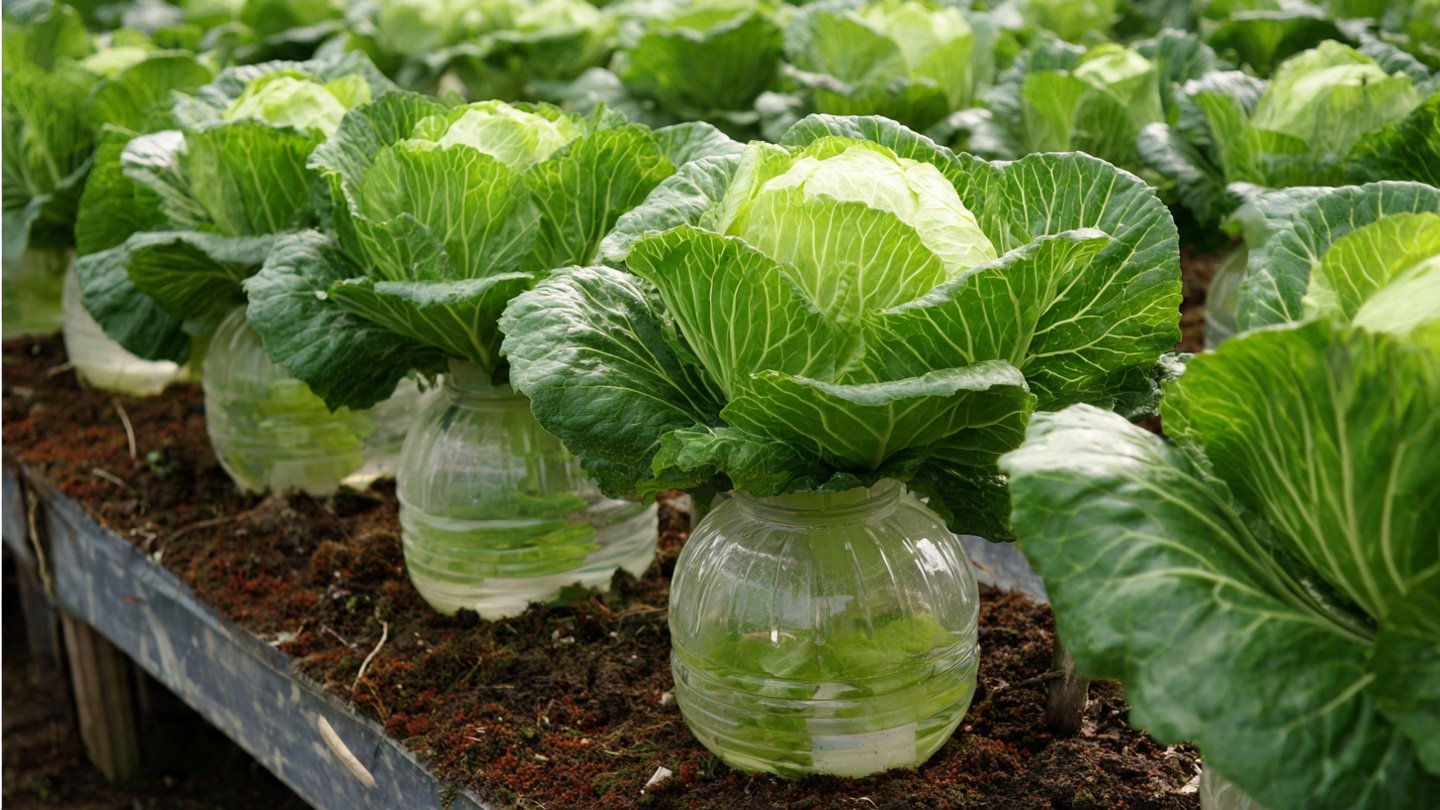
In recent years, urban gardening has taken on innovative forms, driven by necessity, sustainability, and creativity. One of the most surprising trends is the use of everyday household items, like plastic bottles, to cultivate vegetables in limited spaces. Among these, cabbage cultivation in plastic bottles has caught the attention of housewives across the globe. This method, often seen as a clever combination of resourcefulness and agricultural knowledge, is proving to be an efficient way to achieve high yields while saving space and money.
The Rise of Urban Gardening
Urbanization has drastically reduced the amount of available land for traditional gardening. Apartments, small yards, and concrete-laden neighborhoods offer little room for conventional vegetable plots. This challenge has inspired housewives and urban gardeners to adopt vertical and container gardening techniques. By reusing discarded plastic bottles, they not only address space constraints but also contribute to environmental sustainability by reducing plastic waste.
The trend of growing vegetables at home has many benefits beyond convenience. It ensures access to fresh, organic produce, reduces grocery expenses, and fosters a sense of self-sufficiency. For cabbage—a nutrient-dense vegetable packed with vitamins C and K, fiber, and antioxidants—home cultivation provides a reliable source of healthy food for families.
Why Plastic Bottles?
Plastic bottles, typically seen as waste, have been repurposed into functional containers for growing vegetables. Their popularity for cabbage cultivation stems from several advantages:
- Space Efficiency: Plastic bottles can be easily hung or stacked, allowing vertical gardens in apartments or small patios.
- Cost-Effectiveness: Instead of buying pots or planters, housewives can reuse bottles, cutting down gardening costs.
- Water Management: Bottles allow for controlled watering and drainage, reducing the risk of overwatering—a common issue in container gardening.
- Portability: Bottle gardens are lightweight and can be moved to optimize sunlight exposure or protect plants from harsh weather.
By transforming waste into a productive gardening tool, housewives are creating an eco-friendly and practical solution to urban farming challenges.
Preparing Plastic Bottles for Cabbage Cultivation
Before planting cabbage, preparation of plastic bottles is essential. Most housewives follow these steps to ensure healthy growth:
- Choose the Right Bottle: Medium to large plastic bottles (1.5 to 5 liters) work best. Transparent bottles can be used, but black or opaque bottles help prevent algae growth in the soil.
- Clean and Cut: Bottles must be thoroughly washed to remove chemical residues. The top portion is usually cut off to create an open container. Some gardeners prefer keeping the top as a funnel to pour water efficiently.
- Drainage Holes: A few small holes are punctured at the bottom to allow excess water to drain, preventing root rot.
- Soil Preparation: A nutrient-rich mix is crucial for cabbage, which is a heavy feeder. Many housewives combine garden soil, compost, and sand to create a fertile, well-drained medium.
This preparation ensures that the cabbage plants have a stable, healthy environment to develop strong roots and thrive in a confined space.
Planting and Growing Cabbage in Bottles
Cabbage can be grown from seeds or seedlings, and the approach in plastic bottles is similar to traditional gardening, with some adjustments for space constraints.
- Seed Sowing: Seeds are sown 1-2 cm deep into the soil-filled bottles. Watering is done gently to avoid washing away seeds.
- Transplanting Seedlings: For faster results, housewives often germinate seeds in small trays and transplant healthy seedlings into bottles when they reach 4-6 leaves.
- Spacing: Even in bottles, cabbage needs enough room for roots to expand. Large bottles allow for a single plant per container, which encourages bigger heads.
- Sunlight: Cabbage requires at least 5-6 hours of sunlight per day. Bottles can be arranged on balconies, windowsills, or terraces to maximize sun exposure.
The controlled environment of a bottle often leads to more robust plants because gardeners can closely monitor water, nutrients, and sunlight.
Watering and Fertilization
Cabbage grown in bottles requires careful attention to watering and nutrients.
- Watering: Housewife gardeners often use a simple drip method or water bottles with small holes at the top to provide consistent moisture. Overwatering can be fatal, so a balance is crucial.
- Fertilization: Organic fertilizers, such as compost tea, cow dung, or homemade liquid fertilizers, are preferred. Some gardeners also supplement with nitrogen-rich fertilizers to support leafy growth.
A consistent watering and feeding schedule ensures rapid growth and higher yields. Housewives report that cabbage grown in bottles often matures faster than those in open fields because the controlled environment reduces stress from pests and weather fluctuations.
Pest and Disease Management
Even in urban settings, cabbage faces threats from pests like aphids, cabbage worms, and fungal diseases. Housewives employ various low-cost strategies to protect their plants:
- Neem Oil Sprays: Effective against insects while being safe for human consumption.
- Garlic or Chili Extracts: Natural repellents for pests.
- Physical Barriers: Using mesh covers or small nets to prevent insect infestation.
Container-grown cabbage often faces fewer disease problems due to better air circulation and the ability to isolate infected plants quickly.
Harvesting and Yields
One of the most exciting aspects of cabbage cultivation in bottles is the surprisingly high yield relative to space. A single large bottle can produce a full-sized cabbage head within 70-90 days, depending on the variety. Housewives who adopt this method often grow multiple bottles in compact spaces, allowing them to harvest several heads of cabbage simultaneously.
Many urban gardeners report that bottle-grown cabbage heads are dense, healthy, and flavorful, sometimes surpassing market-bought cabbage in quality. Additionally, the joy of growing food at home often motivates housewives to expand their small bottle gardens to include other vegetables like tomatoes, spinach, and bell peppers.
Environmental and Economic Benefits
The use of plastic bottles for cabbage cultivation is a small but impactful step toward sustainable living.
- Plastic Waste Reduction: Repurposing bottles helps reduce the volume of plastic waste that often ends up in landfills or oceans.
- Reduced Carbon Footprint: Growing vegetables at home eliminates transportation and packaging emissions associated with store-bought produce.
- Economic Savings: Families save money by growing high-value vegetables themselves. For housewives managing household budgets, this can be a significant benefit.
Moreover, the method is accessible to anyone, regardless of gardening experience, making it an empowering initiative for women and families in urban environments.
Social and Community Impact
In many communities, housewives growing cabbage in bottles have become local inspirations. Some organize small workshops to teach neighbors how to start their bottle gardens, creating networks of home gardeners. This not only spreads knowledge but also strengthens community bonds.
Urban gardening initiatives sometimes extend to schools, with children learning about food production and sustainability through simple, hands-on experiences like bottle gardening. Such projects instill environmental consciousness from an early age.
Conclusion
The innovative approach of growing cabbage in plastic bottles showcases the creativity, resilience, and practicality of modern housewives. By transforming everyday waste into productive gardening tools, they address urban space constraints, contribute to environmental sustainability, and secure healthy, fresh produce for their families.
This trend is more than just a clever gardening hack—it represents a shift toward mindful living, where resourcefulness and sustainability go hand in hand. Housewives who embrace this method prove that even in limited spaces, it’s possible to achieve big yields with simple, cost-effective techniques. As urban populations continue to grow and environmental concerns mount, the practice of growing cabbage and other vegetables in plastic bottles is likely to spread, inspiring a new generation of urban gardeners to innovate, nurture, and harvest with care.
In a world where space is limited and sustainability is critical, the humble plastic bottle has found a second life—not in the trash—but as a vessel of growth, nourishment, and creativity. Housewives leading this movement are planting not just cabbage, but the seeds of a greener, self-sufficient future.
Word count: 1,204