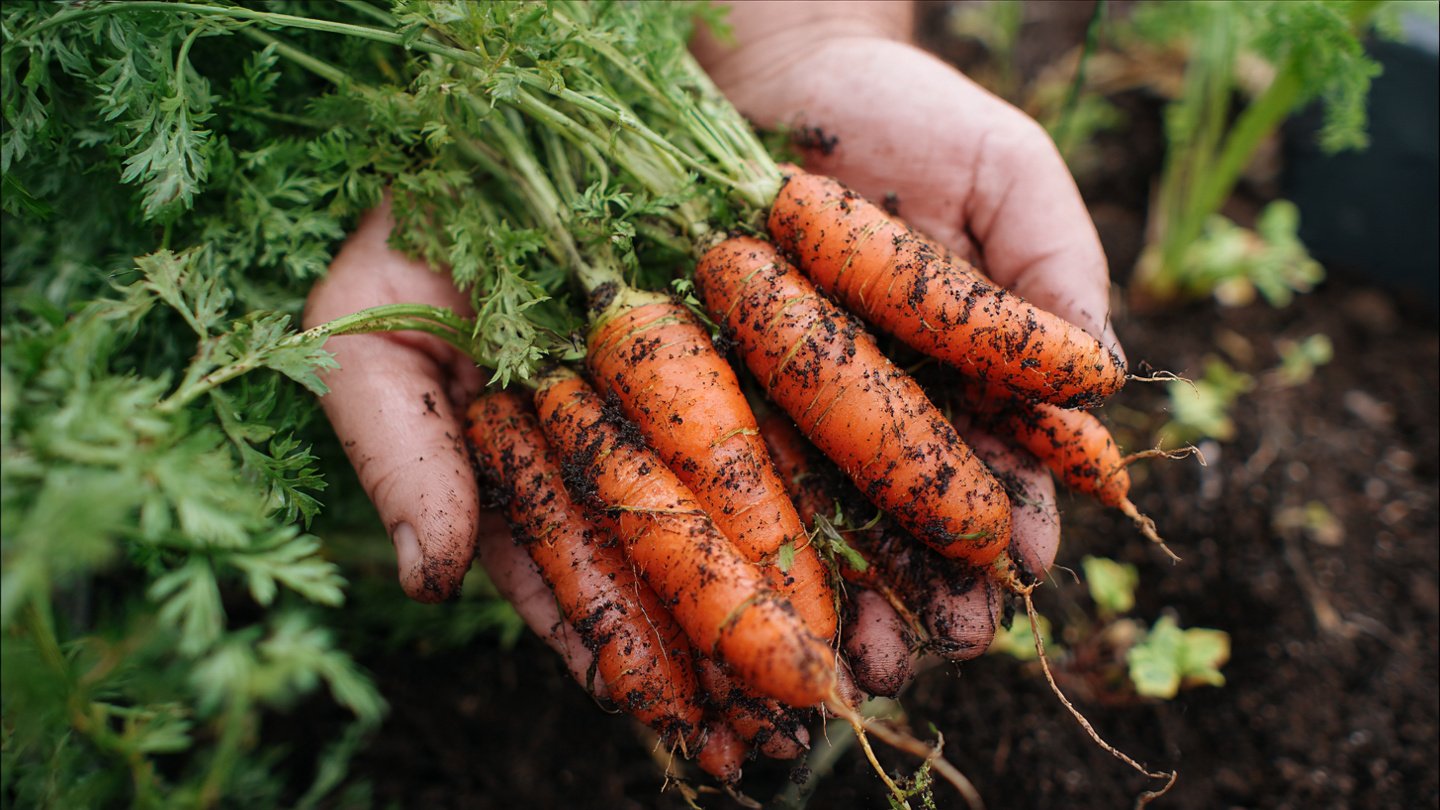
Carrots are one of the most rewarding vegetables to grow at home. Sweet, crunchy, and packed with vitamins, they can be grown in backyard gardens, raised beds, or even containers. Many beginners shy away from growing carrots because they think the process is complicated or that homegrown carrots won’t be as good as store-bought ones. However, with the right techniques, growing carrots at home is surprisingly simple, and you can achieve high yields even as a beginner. In this guide, I’ll share my step-by-step approach to planting, nurturing, and harvesting carrots, so you can enjoy a bountiful, homegrown crop.
Why Grow Carrots at Home?
Growing carrots at home comes with several advantages:
- Freshness and flavor: Homegrown carrots are sweeter and crunchier than store-bought ones.
- Control over quality: You can grow carrots without chemical fertilizers or pesticides.
- Cost-effective: Seeds are inexpensive, and a small garden can produce a large harvest.
- Variety: You can grow different types, from classic orange varieties to purple, yellow, or white carrots.
- Fun and educational: Growing carrots is a great activity for children and beginners learning about gardening.
Once you see the difference in taste and texture, it’s easy to understand why growing carrots at home is so satisfying.
Choosing the Right Carrot Variety
Carrots come in many shapes, sizes, and colors. Selecting the right variety for your home garden is important for both yield and ease of growth:
- Short varieties: Ideal for container gardening or shallow soil. Examples: ‘Thumbelina’, ‘Paris Market’.
- Long varieties: Produce classic carrot shapes but require deep, loose soil. Examples: ‘Nantes’, ‘Danvers’.
- Colorful varieties: Purple, yellow, or red carrots add visual appeal and nutritional diversity. Examples: ‘Rainbow Mix’.
- Early-maturing varieties: Ready to harvest in 50–60 days, perfect for quick results.
For beginners, I recommend growing Nantes or Danvers varieties—they are forgiving, fast-growing, and yield abundant carrots.
Preparing the Soil
Carrots need loose, well-draining soil to grow straight, long roots. Compact or heavy clay soil can cause forked or stunted carrots. Here’s how to prepare your soil for high yields:
- Remove rocks and debris: Stones and clumps can obstruct root growth.
- Loosen the soil: Till or dig to a depth of 12 inches (30 cm) for long varieties.
- Add organic matter: Mix in compost or well-rotted manure to provide nutrients and improve texture. Avoid fresh manure, which can cause forked roots.
- Check pH: Carrots prefer slightly acidic to neutral soil (pH 6.0–7.0).
For container gardening, choose a deep pot or grow bag with at least 12 inches of depth, filled with loose, nutrient-rich potting mix.
Sowing Carrot Seeds
Carrot seeds are small, so proper sowing techniques are essential for high germination and even spacing:
- Sow shallowly: Plant seeds ¼–½ inch deep in rows or scattered evenly in a container.
- Space carefully: Thin seedlings to 2–3 inches apart for optimal root growth. Crowded carrots grow small and misshapen.
- Keep soil moist: Carrot seeds take 10–20 days to germinate. Mist soil gently to avoid washing away seeds.
- Protect seeds: Cover lightly with a thin layer of soil or compost and mulch to retain moisture.
Pro tip: Mixing carrot seeds with fine sand before sowing helps distribute them evenly and reduces overcrowding.
Watering and Care
Carrots need consistent care to produce high yields:
- Watering: Keep soil evenly moist, especially during germination. Once established, water deeply 1–2 times per week depending on weather. Avoid overwatering, which can cause root rot.
- Mulching: Apply a thin layer of straw or leaves to retain soil moisture and suppress weeds.
- Thinning: Once seedlings are 2–3 inches tall, thin them to 2–3 inches apart. Forked or stunted carrots often result from overcrowding.
- Weeding: Remove weeds regularly, as they compete with carrots for nutrients and water. Be gentle to avoid disturbing roots.
Consistent care during the growing season is critical for producing healthy, straight carrots.
Fertilization for High Yield
Carrots are root crops, so excessive nitrogen encourages leafy growth instead of thick roots. Focus on phosphorus and potassium to promote root development:
- At planting: Incorporate a balanced fertilizer or bone meal into the soil.
- During growth: Side-dress with compost or a low-nitrogen fertilizer about halfway through the growing season.
This balance ensures your carrots grow long, thick, and flavorful.
Managing Pests and Diseases
Carrots are generally hardy, but a few pests and diseases can affect yield:
- Carrot fly: Small larvae that tunnel into roots. Protect with row covers or plant early in the season.
- Aphids: Can be washed off with a gentle spray of water or treated with neem oil.
- Fungal diseases: Avoid wetting foliage excessively and rotate crops yearly.
- Rodents: If growing outdoors, use barriers or raised beds to prevent root damage.
Early detection and preventative measures are key to maintaining high yields.
Harvesting Carrots
Carrots are ready to harvest depending on the variety and growing conditions:
- Check size: Long varieties may take 70–80 days; short varieties may be ready in 50–60 days. Gently dig around the root to check size.
- Pull carefully: Loosen soil with a fork before pulling carrots to avoid breaking them.
- Harvest in stages: You don’t have to pull all at once; leave smaller carrots to grow longer.
Carrots taste sweetest when harvested after a cool period, as sugar levels increase slightly after exposure to light frost.
Storing and Using Carrots
Proper storage ensures you enjoy your harvest for weeks or months:
- Short-term storage: Keep in the refrigerator in a perforated plastic bag for 2–3 weeks.
- Long-term storage: Store in sand or sawdust in a cool, dark, dry place for several months.
- Cooking: Use fresh in salads, soups, stews, or roasted for maximum flavor.
Homegrown carrots retain their sweetness and crunch, far superior to many store-bought varieties.
Tips for Maximizing Carrot Yield
- Succession planting: Sow seeds every 2–3 weeks for a continuous harvest throughout the season.
- Companion planting: Plant carrots with onions, leeks, or rosemary to deter pests naturally.
- Deep soil: Avoid shallow beds to allow long, straight roots.
- Consistent moisture: Inconsistent watering can lead to splitting or forked roots.
- Protect from heat: Carrots prefer cooler temperatures; use shade cloth in hot climates to prevent stress.
By following these tips, you can consistently harvest large, healthy carrots in your home garden.
Common Mistakes to Avoid
- Planting in heavy clay: Leads to forked or stunted roots.
- Overcrowding: Too many seedlings in a row reduces carrot size.
- Excess nitrogen: Produces lush foliage but small roots.
- Neglecting thinning: Crowded carrots compete for nutrients and space.
- Ignoring watering needs: Irregular moisture causes splitting and poor taste.
Avoiding these mistakes will save time and maximize your harvest.
Conclusion
Growing carrots at home is easier than most beginners think. With the right variety, well-prepared soil, consistent watering, proper spacing, and basic pest management, anyone can produce a high yield of sweet, crisp carrots. Container gardening, raised beds, or traditional garden rows can all work, making carrot cultivation accessible regardless of space.
By following this beginner-friendly guide, you can enjoy the satisfaction of harvesting your own fresh, flavorful carrots and discover just how rewarding homegrown vegetables can be. Not only will you save money, but you’ll also experience the unmatched taste and nutrition of fresh carrots picked straight from your garden. Once you start, you may wonder why you didn’t grow your own carrots earlier—it really is that simple and rewarding!