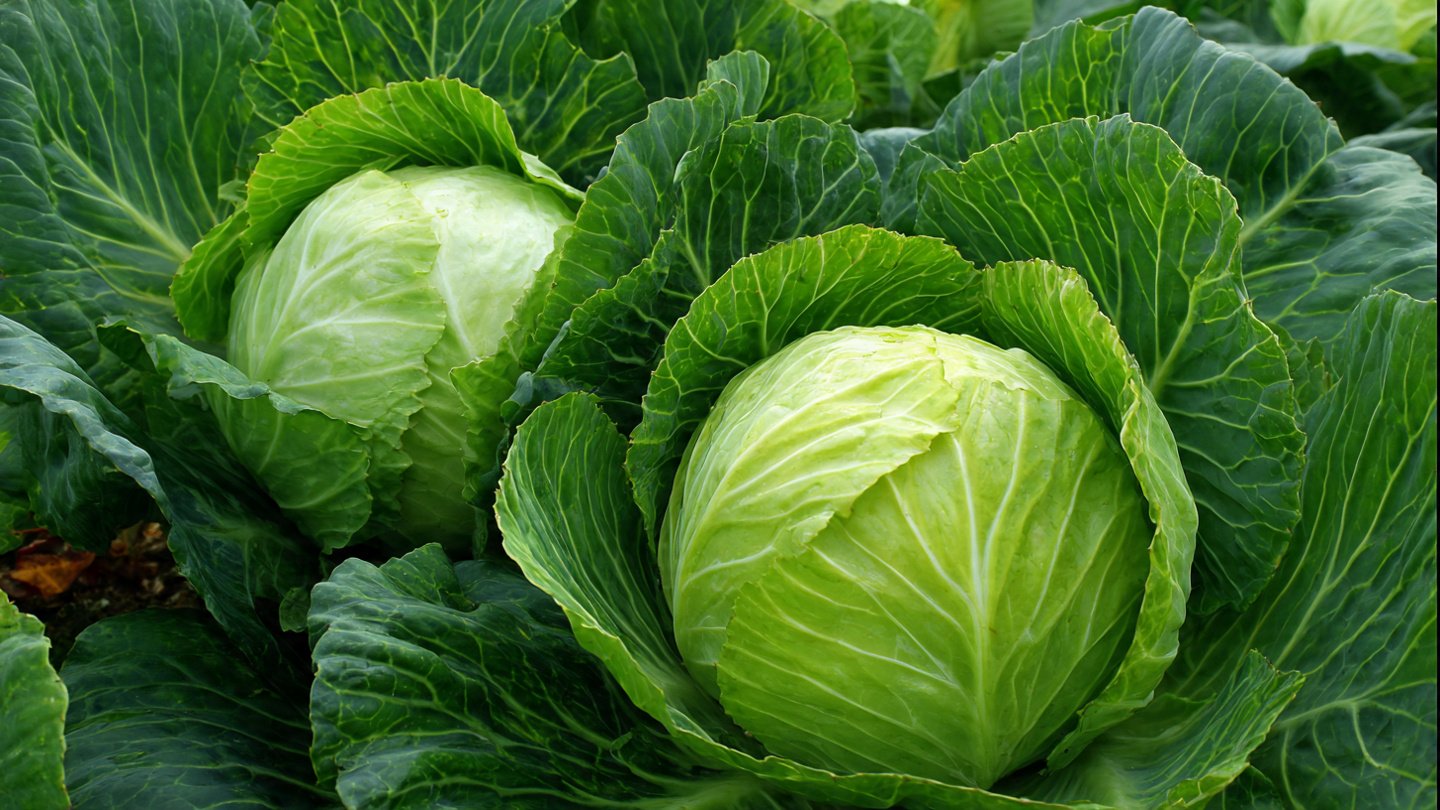
Cabbage is one of the most versatile and nutritious vegetables you can grow at home. Packed with vitamins C and K, fiber, and antioxidants, it’s a staple in salads, soups, stir-fries, and fermented dishes like sauerkraut. Many people assume that growing cabbage requires a garden, lots of space, and extensive soil preparation. The good news is that you can grow super delicious cabbage right at home, even without a traditional garden. With the right containers, soil, and care, you can enjoy fresh, crunchy cabbage leaves year-round. Here’s how to do it.
Why Grow Cabbage at Home?
Growing cabbage at home offers several advantages:
- Freshness and Flavor: Homegrown cabbage is far superior in taste and texture to store-bought varieties. You can harvest leaves as needed for maximum freshness.
- Pesticide-Free Produce: Growing in containers allows you to control what goes on your cabbage, ensuring chemical-free and healthy vegetables.
- Space Efficiency: Cabbage can thrive in pots, large containers, or even vertical planters, making it perfect for balconies, patios, or indoor spaces with bright light.
- Cost Savings: A single cabbage plant can provide weeks of meals, reducing grocery bills over time.
Even if you don’t have a garden, a few containers on a balcony or a sunny windowsill can produce impressive yields.
Choosing the Right Cabbage Variety
When growing cabbage at home, selecting the right variety is key to success. Some types are better suited for container growing due to their compact size and faster growth. Consider these:
- Green Cabbage: Classic, versatile, and widely used in salads and cooking.
- Red Cabbage: Adds vibrant color to dishes and retains nutrients when cooked or fermented.
- Savoy Cabbage: Features crinkled leaves, milder flavor, and tender texture.
- Mini or Baby Cabbage Varieties: Perfect for smaller containers and indoor growing, as they produce smaller heads that mature quickly.
If you have limited space, compact varieties are ideal because they don’t require as much room to form tight, flavorful heads.
Choosing Containers
Cabbage grows best in containers that allow plenty of root space. Here’s what to look for:
- Size: A container should be at least 12–16 inches deep and wide to accommodate the plant’s root system. Larger containers encourage bigger heads.
- Material: Plastic, ceramic, or fabric pots all work. Ensure the pot is sturdy enough to support the cabbage as it grows.
- Drainage: Make sure containers have holes at the bottom to prevent waterlogging, which can lead to root rot.
Using a tray or saucer underneath the pot will catch excess water and prevent mess in indoor spaces.
Preparing the Soil
Cabbage is a heavy feeder, so nutrient-rich soil is essential. You can create a perfect mix using:
- 2 parts high-quality potting soil
- 1 part compost or well-rotted organic matter
- 1 part perlite or vermiculite for drainage and aeration
This mixture ensures the soil retains moisture, drains well, and provides nutrients for strong growth. Avoid using garden soil alone, as it may compact in containers and hinder root development.
Starting Cabbage from Seeds or Seedlings
You have two options for growing cabbage at home:
- From Seeds:
- Sow seeds ¼ inch deep in small pots or seed trays filled with moist seed-starting mix.
- Keep the soil consistently moist and in a warm location (around 65–70°F).
- Seeds typically germinate in 5–10 days.
- Once seedlings develop 2–3 true leaves, transplant them into larger containers.
- From Seedlings:
- Buying young cabbage plants from a nursery or garden center is a quick way to start.
- Choose healthy seedlings with strong stems and vibrant leaves.
Starting from seeds is cost-effective and allows you to grow specific varieties, while seedlings give you a head start on harvest time.
Planting in Containers
When transplanting seedlings into containers:
- Fill the pot with prepared soil.
- Make a hole deep enough to accommodate the root ball.
- Place the seedling in the hole and gently firm the soil around the base.
- Space multiple cabbage plants at least 12 inches apart in large containers. Crowding slows growth and encourages disease.
- Water thoroughly after planting.
If planting directly in containers, consider a staggered schedule: planting new seedlings every few weeks ensures a continuous harvest over months.
Light Requirements
Cabbage needs plenty of sunlight to develop tight, flavorful heads. Ideally, it should receive:
- 6–8 hours of direct sunlight per day for outdoor terraces or balconies.
- Bright indoor light near a south-facing window if grown inside.
- Supplemental grow lights if natural light is insufficient.
Insufficient light can cause slow growth, weak stems, and loose heads.
Watering and Fertilization
Cabbage likes evenly moist soil. Containers dry out faster than garden beds, so monitor the moisture regularly. Tips for watering and feeding:
- Water deeply whenever the top inch of soil feels dry.
- Avoid wetting the leaves to prevent fungal issues.
- Fertilize every 2–3 weeks with a balanced liquid fertilizer or organic compost tea.
- Side-dress with compost or worm castings once the plant starts forming heads.
Proper watering and feeding produce crisp, sweet, and tender cabbage heads.
Managing Pests and Diseases
Even in containers, cabbage can attract pests such as aphids, cabbage worms, and slugs. Some ways to protect your plants:
- Inspect leaves regularly and remove pests by hand.
- Use neem oil or insecticidal soap for small infestations.
- Introduce companion plants like basil, chives, or nasturtiums to deter pests naturally.
- Remove yellowing or damaged leaves promptly to prevent disease.
Container growing can reduce some soil-borne diseases but monitoring is still essential.
Harvesting Your Homegrown Cabbage
Timing is crucial for delicious, tender cabbage:
- Check Head Firmness: Gently squeeze the head; it should feel solid and compact.
- Cut at the Base: Use a sharp knife to cut the head at the base, leaving outer leaves attached for regrowth if desired.
- Harvest Early for Sweetness: Younger heads tend to be sweeter and less bitter.
By harvesting carefully, you can enjoy multiple meals from a single plant, and some cabbage varieties may produce a second, smaller head from outer leaves.
Tips for Growing Super Delicious Cabbage
- Choose the Right Varieties: Mini cabbages or savoy types perform well in containers.
- Rotate Crops: Even in containers, avoid planting cabbage in the same soil repeatedly to reduce disease risk.
- Regularly Fertilize: Cabbage is a heavy feeder—consistent nutrients make a noticeable difference in flavor.
- Mulch for Moisture: A thin layer of straw or shredded leaves helps retain moisture in containers.
- Protect from Extreme Weather: Use shade cloth in intense sun or move containers indoors during cold snaps.
These simple steps maximize flavor, crunch, and yield, even in limited spaces.
Indoor Growing Options
If you don’t have a balcony, you can still grow cabbage indoors:
- Large Planters or Raised Beds: Use 12–16 inch pots with good drainage.
- Grow Lights: Full-spectrum LED lights mimic sunlight and support growth.
- Humidity Control: Cabbage thrives with moderate humidity; mist lightly if indoor air is dry.
- Temperature: Maintain 60–70°F for optimal growth indoors.
Indoor cabbage allows year-round harvest and protects plants from outdoor pests.
Conclusion
Growing super delicious cabbage at home without a garden is not only possible—it’s surprisingly easy. With the right containers, nutrient-rich soil, proper light, and regular care, even a balcony, patio, or windowsill can become a mini cabbage farm. From selecting compact varieties to managing watering, pests, and harvesting, every step contributes to crisp, flavorful cabbage that far surpasses store-bought alternatives.
Whether you’re a beginner gardener or someone looking to grow healthy food at home, container cabbage gardening offers fresh, nutrient-packed produce right at your fingertips. The satisfaction of slicing into a homegrown cabbage and tasting the sweet, tender leaves is unmatched—and the best part is, you don’t need a garden to do it.
Start small, experiment with different varieties, and soon you’ll have a steady supply of delicious cabbage to enjoy in salads, soups, stir-fries, and fermented dishes, all from the comfort of your home.