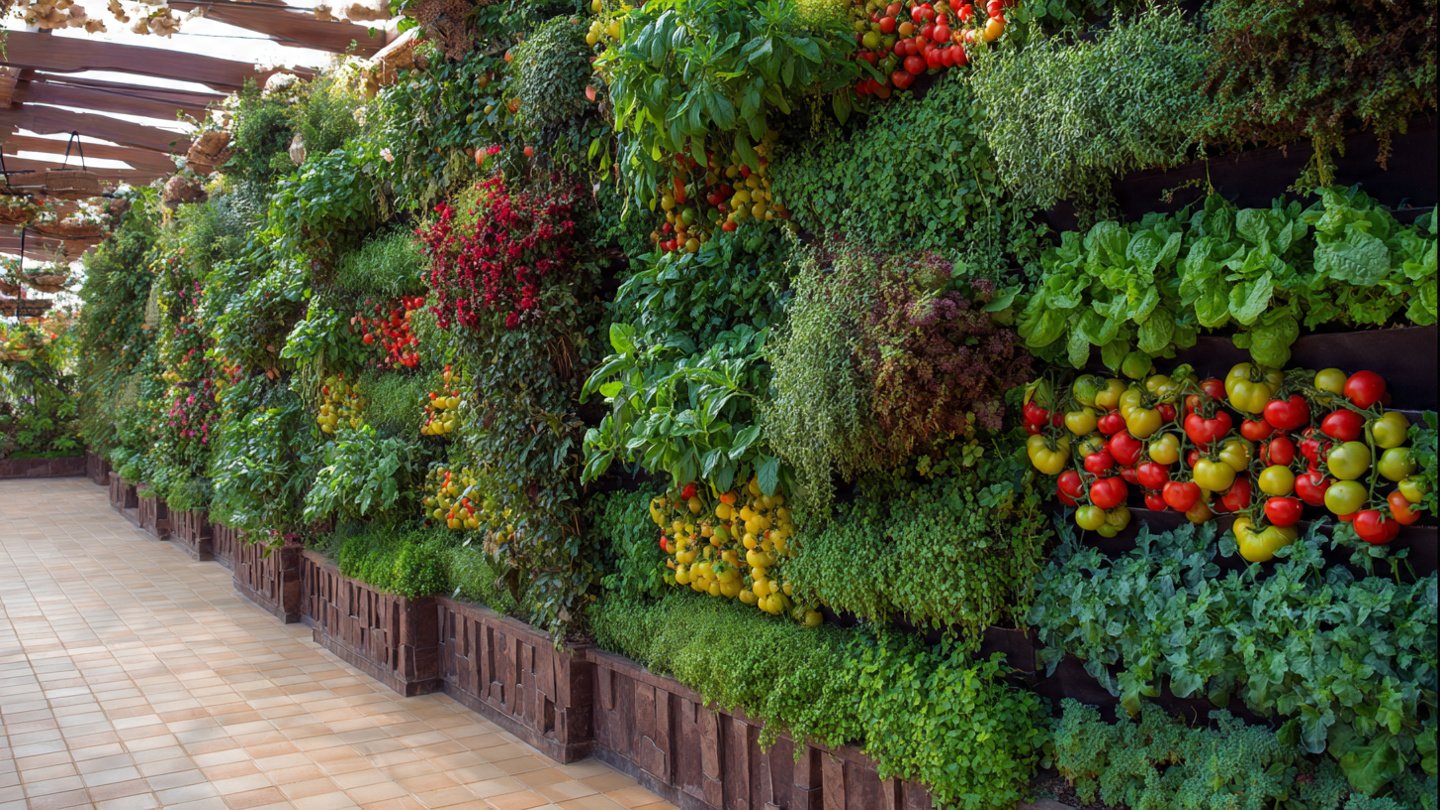
If you think vegetable gardens require large plots of land, think again. Vertical gardening has revolutionized the way we grow food, making it possible to cultivate a thriving vegetable garden on a wall. Whether you live in an apartment, have a small backyard, or just want to maximize space, a wall-mounted vegetable garden can turn any vertical surface into a lush, productive oasis. This guide will explore everything you need to create an amazing vegetable garden on the wall, from design ideas and plant selection to maintenance and harvest.
Why Choose a Wall Garden for Vegetables?
Vertical vegetable gardens offer several unique advantages:
- Space-saving: Ideal for small yards, balconies, or urban apartments.
- Improved accessibility: Harvesting and maintenance are easier at eye level.
- Better air circulation: Reduces the risk of soil-borne diseases.
- Aesthetic appeal: Adds greenery to bare walls, enhancing your living space.
- Efficient use of sunlight: Plants on walls can receive better light exposure, especially on south-facing walls.
With a wall garden, even limited spaces can yield a surprising amount of fresh vegetables, herbs, and greens.
Choosing the Right Wall and Structure
Selecting the proper wall and structure is the first step in a successful vertical vegetable garden:
- Wall selection:
- Ensure it receives sufficient sunlight—ideally 6–8 hours per day.
- Structural integrity is important; the wall must support the weight of planters, soil, and plants.
- Support structure:
- Trellises: Great for climbing plants like peas, beans, and cucumbers.
- Shelves: Can hold pots or trays of small vegetables.
- Hanging pockets: Fabric or plastic pockets work well for herbs, lettuce, or strawberries.
- Modular planter systems: Stackable containers that attach securely to walls.
The structure should allow adequate drainage, airflow, and access for watering.
Selecting Vegetables for Vertical Growth
Not all vegetables are suitable for wall gardens, but many thrive when grown vertically:
- Leafy greens: Lettuce, spinach, kale, arugula
- Herbs: Basil, parsley, coriander, mint
- Climbing plants: Peas, beans, cucumbers, cherry tomatoes
- Compact vegetables: Radishes, carrots, baby beets
- Strawberries: While technically a fruit, they grow beautifully in vertical pockets
When choosing vegetables, consider growth habits, weight, and root depth. Shallow-rooted plants are ideal for vertical systems, while heavier or deep-rooted plants may require reinforced containers.
Soil and Fertilizer Considerations
Vertical gardens rely on containers, so soil quality is crucial:
- Soil mix: Use high-quality potting soil blended with compost for nutrients and moisture retention. Avoid garden soil—it’s too heavy and may compact.
- Drainage: Ensure containers have holes or a drainage system to prevent root rot.
- Fertilization: Container-grown vegetables need regular feeding:
- Use balanced liquid fertilizers every 2–3 weeks.
- Slow-release granules in the soil can provide steady nutrition.
- Organic options like compost tea, fish emulsion, or seaweed extract boost growth naturally.
Healthy soil supports robust plants, improves flavor, and maximizes harvest.
Designing Your Wall Vegetable Garden
A well-designed wall garden is both functional and beautiful. Consider these design tips:
- Layering: Arrange taller plants at the top or back and smaller plants at the bottom for optimal light exposure.
- Color and texture: Mix leafy greens with colorful vegetables or herbs to create visual appeal.
- Accessibility: Place frequently used herbs and vegetables at eye level for easy harvesting.
- Irrigation integration: Consider drip irrigation or self-watering systems to keep plants consistently hydrated.
- Rotation: Plan for seasonal changes—some vegetables thrive in spring, while others prefer cooler months.
A thoughtful layout ensures maximum productivity and easy maintenance.
Watering a Vertical Vegetable Garden
Water management is key for wall gardens:
- Frequency: Vertical containers dry out faster than ground beds. Water whenever the top inch of soil feels dry.
- Method: Use a watering can, hose, or drip irrigation system. Avoid overwatering, which can lead to root rot.
- Consistency: Keep moisture levels steady, especially for leafy greens and herbs, which are sensitive to drying out.
Proper watering ensures your vegetables remain healthy and flavorful.
Supporting Climbing and Trailing Plants
Climbing and trailing plants benefit from vertical growth:
- Trellises or wires: For peas, beans, and cucumbers, provide strong supports for vines to latch onto.
- Pruning: Trim excess leaves and shoots to direct energy toward fruit and vegetable production.
- Training: Gently guide vines along supports to prevent tangling or crowding.
Supportive structures help maximize vertical space while keeping plants manageable.
Pest and Disease Management
Vertical gardens are generally healthier than traditional beds, but pests and diseases can still occur:
- Common pests: Aphids, whiteflies, spider mites, and slugs
- Prevention: Keep plants well-spaced for airflow, inspect regularly, and remove damaged leaves
- Organic remedies: Neem oil, insecticidal soap, or handpicking pests works well for small-scale wall gardens
- Disease management: Overwatering or poor airflow can cause mildew or root rot—ensure good drainage and ventilation
Regular monitoring keeps your wall garden thriving and productive.
Harvesting from a Wall Garden
Vertical gardens make harvesting easier:
- Leafy greens and herbs: Snip outer leaves regularly; plants continue to produce new growth.
- Fruits and vegetables: Pick when fully ripe to encourage further production.
- Rotation: Replace harvested plants with new seedlings to maintain continuous productivity.
Frequent harvesting also prevents overcrowding and allows light to reach all plants.
Seasonal Considerations and Climate Adaptation
Vertical gardens require some adaptation based on your climate:
- Summer: Provide shade during peak heat to prevent wilting or sunburn.
- Winter: Move portable containers indoors or use frost protection for tender plants.
- Rain: Ensure adequate drainage to prevent waterlogging during heavy storms.
Adjusting to seasonal changes keeps your wall garden healthy year-round.
Creative Ideas for Vertical Vegetable Gardening
- Pocket planters: Fabric or felt pockets are perfect for herbs, lettuce, and strawberries.
- Stacked crates: Repurposed wooden crates stacked against a wall create modular planting space.
- Hanging jars or bottles: Use recycled jars or bottles for small herbs and seedlings.
- Living walls: Integrate ornamental plants with vegetables for a mixed aesthetic.
- Wall-mounted shelves: Ideal for pots with compact vegetables like radishes, carrots, and baby beets.
Vertical gardening is limited only by your creativity and available space.
Benefits of a Wall Vegetable Garden
A wall vegetable garden offers multiple benefits:
- Urban gardening solution: Grow fresh produce in limited space.
- Accessibility: Harvest vegetables and herbs at eye level.
- Aesthetic appeal: Green walls enhance home decor.
- Sustainability: Reduces carbon footprint by growing food locally.
- Educational value: Great project for families and children to learn about gardening.
Wall gardens combine beauty and productivity, making them perfect for modern homes.
Final Thoughts: Transform Any Wall into a Productive Garden
Creating an amazing vegetable garden on the wall is a practical and visually appealing way to grow fresh produce anywhere. By choosing the right wall, supporting structure, vegetables, and soil, you can transform vertical spaces into a lush, productive garden. Proper watering, fertilization, and maintenance ensure healthy growth, continuous harvests, and vibrant greenery year-round.
Whether you’re an urban gardener with limited space or simply looking for a creative way to grow food, a wall-mounted vegetable garden combines innovation, sustainability, and beauty. With careful planning and consistent care, your wall can become a living, edible masterpiece that enhances your home while providing fresh, nutritious vegetables. 🌿🥕🍅