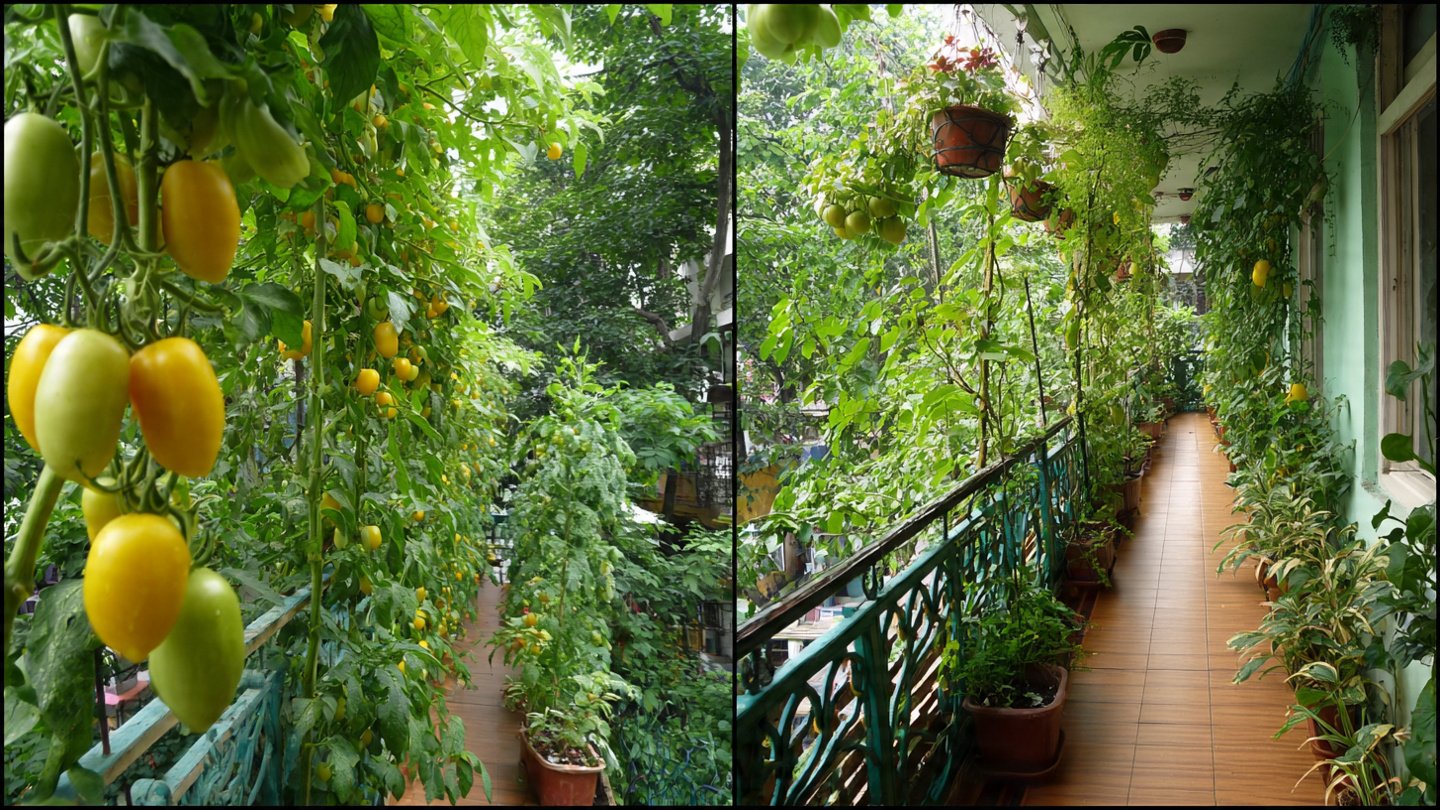
Urban living often means limited space, but that doesn’t have to stop you from growing your own vegetables. A balcony can become a lush, productive garden with the right planning and creativity. In fact, balcony gardens are not only a great way to grow fresh produce but also add beauty, greenery, and a sense of tranquility to your home.
The key to making the most of a small space lies in vertical gardening and hanging setups, which allow you to maximize the area while keeping your balcony organized and aesthetically pleasing. Here’s a detailed guide on creating an amazing vegetable garden on your balcony using perfect hanging garden ideas.
Why Choose a Balcony Vegetable Garden?
Balcony vegetable gardens offer numerous benefits:
- Fresh produce at your fingertips: No more rushing to the store for fresh herbs or vegetables.
- Space efficiency: Small balconies can yield a surprising number of vegetables with vertical and hanging gardening.
- Air purification: Plants improve air quality, reduce dust, and add oxygen.
- Stress relief and mindfulness: Gardening is therapeutic and provides a calming hobby.
Even in apartments or urban areas, balcony gardens allow anyone to enjoy the joys of growing their own food.
Step 1: Assess Your Balcony Space
Before you start planting, evaluate your balcony. Consider:
- Sunlight: Most vegetables need 4–6 hours of direct sunlight per day. South- or west-facing balconies are ideal.
- Weight capacity: Hanging planters, soil, and pots can be heavy. Ensure your balcony railings or ceiling hooks can support the load.
- Wind exposure: Open balconies can be windy, which may damage delicate plants. Windbreaks or protective screens can help.
- Available vertical space: Walls, railings, and ceilings are opportunities for hanging planters or vertical shelves.
Understanding these factors will help you choose plants and hanging setups that thrive in your environment.
Step 2: Choose the Right Vegetables for Balcony Gardening
Not all vegetables are suitable for small spaces. Focus on compact, fast-growing, and container-friendly varieties:
- Leafy greens: Lettuce, spinach, kale, arugula, and Swiss chard
- Herbs: Basil, mint, thyme, oregano, and parsley
- Fruiting vegetables: Cherry tomatoes, chili peppers, and dwarf eggplants
- Root vegetables: Radishes, carrots, and baby beets
- Climbers: Beans, peas, and small cucumbers
Choose vegetables that suit your cooking habits and enjoy frequent harvesting for best results.
Step 3: Select the Perfect Hanging Planters
Hanging planters are ideal for maximizing space and adding visual interest to your balcony garden. Consider these options:
1. Hanging Baskets
Classic and versatile, hanging baskets work well for trailing vegetables like cherry tomatoes, strawberries, and herbs.
2. Wall-mounted Planters
Vertical wall planters save floor space and create a green wall effect. Perfect for herbs, lettuce, and compact greens.
3. Macrame Plant Hangers
Add a touch of decor while supporting lightweight pots. Best for small herbs or ornamental vegetables.
4. Rail Planters
Attach containers to balcony railings to grow leafy greens and small fruiting vegetables without taking up floor space.
5. Tiered Hanging Systems
Stack multiple small pots vertically for herbs or small vegetables. This maximizes vertical space and creates a striking visual arrangement.
Pro tip: Use lightweight, durable containers like plastic, resin, or fabric grow bags to reduce strain on balcony fixtures.
Step 4: Choose the Right Soil and Fertilizer
Healthy soil is critical in container gardening.
- Use high-quality potting mix with good drainage. Avoid garden soil, which can compact in containers.
- Add organic compost or vermicompost to enrich nutrients.
- Consider slow-release fertilizers to provide consistent nutrition for vegetables.
- Ensure pots have drainage holes to prevent waterlogging, which can rot roots.
Good soil and regular feeding make your balcony vegetable garden productive, even in small containers.
Step 5: Planting and Spacing Tips
Even in hanging gardens, spacing matters:
- Plant one type per container for easy management.
- Check spacing requirements for each vegetable. Overcrowding leads to poor airflow and disease.
- Group plants with similar water and sunlight needs together.
For vertical arrangements, place trailing plants on top or front to cascade naturally, while upright plants like peppers or dwarf tomatoes stay supported with stakes or trellises.
Step 6: Watering and Maintenance Hacks
Balcony vegetables in hanging containers dry out faster than ground plants. Follow these tips:
- Water frequently but evenly; check soil daily.
- Use self-watering pots or add a water reservoir to reduce frequent watering.
- Mulch with coconut coir or straw to retain moisture.
- Rotate containers occasionally for even sunlight exposure.
Regular pruning and harvesting also help plants stay productive and encourage bushier growth.
Step 7: Pest and Disease Management
Even small balcony gardens attract pests. Common issues include aphids, whiteflies, and spider mites.
Easy Solutions:
- Spray a mixture of water and mild soap on leaves.
- Introduce beneficial insects like ladybugs if possible.
- Keep balcony clean and remove fallen leaves to reduce fungal growth.
Hanging gardens with good airflow are less prone to pests and diseases than dense ground-level gardens.
Step 8: Creative Hanging Garden Ideas
Here are some inspiring ideas to make your balcony vegetable garden visually stunning:
1. Vertical Herb Wall
Mount a wall planter or pocket garden and grow multiple herbs in a compact space. Perfect for cooking convenience.
2. Tiered Tomato Tower
Use a hanging or stacked container system for cherry tomatoes. Support plants with vertical stakes to save space.
3. Hanging Strawberry Garden
Strawberries thrive in hanging baskets with trailing vines. Mix them with small herbs for color and fragrance.
4. Rail Planter with Companion Plants
Plant herbs alongside leafy greens in a railing planter. Companion planting can boost growth and deter pests.
5. Macrame Herb Display
Hang multiple small pots at different heights using macrame hangers. This adds a boho-chic look while saving space.
By combining aesthetics and functionality, your balcony becomes both a vegetable garden and a decorative oasis.
Step 9: Seasonal Considerations
Adjust your balcony garden according to the seasons:
- Spring/Summer: Plant tomatoes, peppers, cucumbers, and leafy greens.
- Autumn/Winter: Focus on cold-tolerant greens like kale, spinach, and chard.
- Protect plants from harsh sun or frost with shade cloths or temporary covers.
Rotation and seasonal planting ensure year-round productivity.
Step 10: Harvesting Tips for Maximum Yield
Harvest vegetables regularly to encourage new growth:
- Pick leaves from leafy greens outside-in for continuous growth.
- Harvest herbs before flowering for the best flavor.
- Use sharp scissors or pruners to avoid damaging plants.
- Regular harvesting prevents overcrowding in hanging containers.
Freshly picked vegetables are more flavorful and nutritious, and frequent harvesting keeps your balcony garden healthy.
Bonus Tips: Decor and Aesthetic Enhancements
- Mix colorful pots for a cheerful look.
- Add string lights or lanterns to illuminate your garden at night.
- Use reclaimed wooden pallets as vertical racks for pots.
- Integrate small water features or pebbles to make the balcony feel like a mini oasis.
A beautiful balcony garden doesn’t just produce vegetables; it transforms your living space.
Final Thoughts
Growing an amazing vegetable garden on a balcony is entirely possible with the right planning, vertical strategies, and hanging garden ideas. From leafy greens and herbs to small fruiting vegetables, you can create a thriving mini-farm even in limited space.
The key principles are simple:
- Maximize vertical space with hanging baskets and wall planters.
- Choose compact, container-friendly vegetables suited to balcony life.
- Ensure good sunlight, water, and nutrient balance.
- Harvest regularly and prune to encourage productivity.
- Combine aesthetics with functionality to make your balcony a living space you love.
Whether you want a continuous supply of fresh basil, cherry tomatoes, or kale, these balcony gardening hacks make it possible. With a bit of creativity and consistent care, your balcony can become an urban vegetable paradise, offering both nourishment and a serene green retreat.
A well-designed hanging vegetable garden on a balcony saves space, grows fresh food, and enhances your home. It proves that even the smallest urban spaces can cultivate abundance and beauty. 🌱🍅🥬
If you want, I can also create a visual step-by-step layout with hanging planters to show exactly how to arrange vegetables on a balcony for maximum yield and aesthetic appeal.