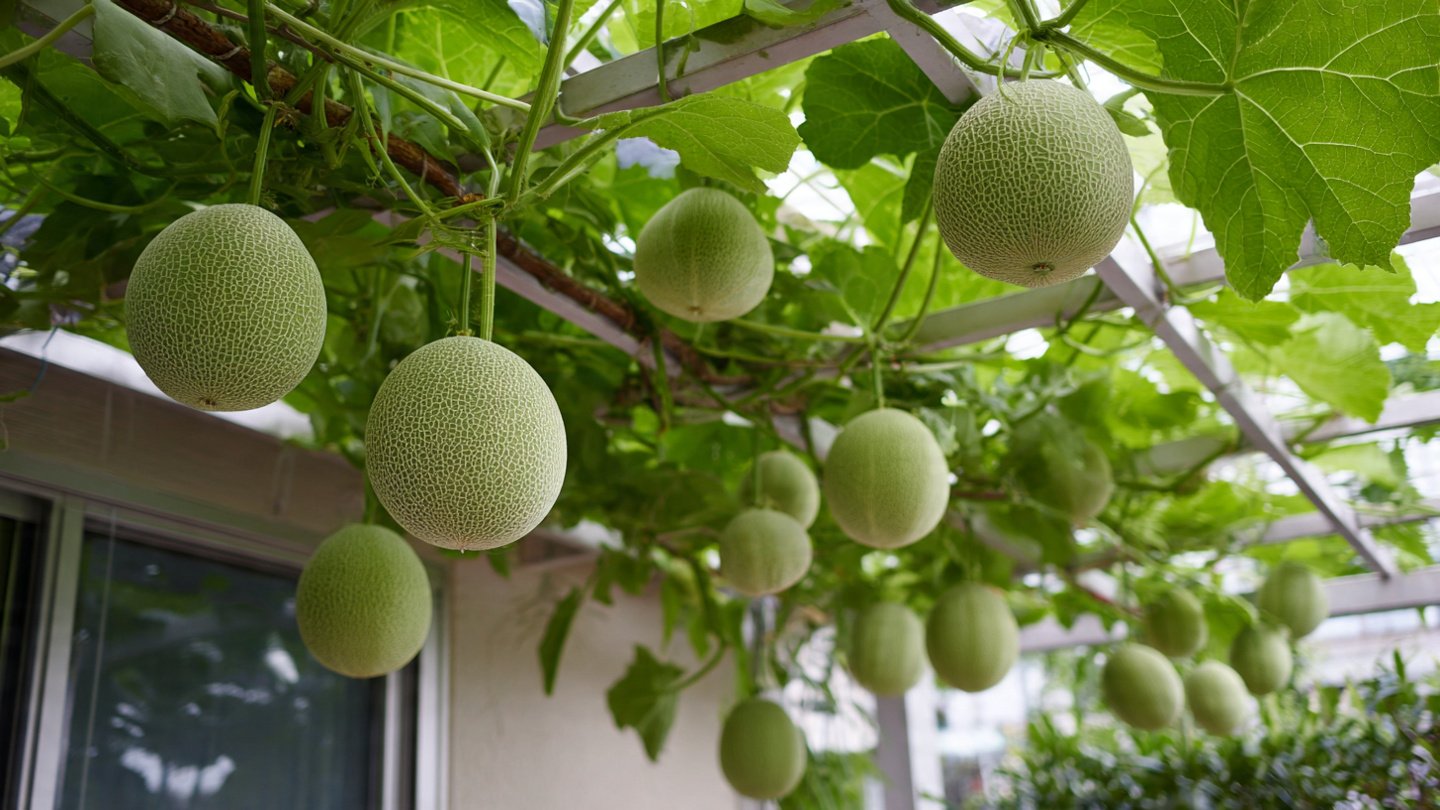
Japanese melons, renowned for their sweetness, delicate aroma, and smooth texture, are considered a gourmet fruit in many parts of the world. Varieties like Yubari King and Crown Melon are highly prized for their flavor and unique fragrance. While these melons are often associated with expert farmers, growing Japanese melon at home is entirely possible—even for beginners—if you follow the right techniques. With proper care, suitable soil, and consistent attention, your homegrown Japanese melons can produce abundant, juicy fruits that rival store-bought varieties. In this guide, we’ll show you step-by-step how to cultivate Japanese melon at home and achieve a bountiful harvest.
Why Grow Japanese Melon at Home
Growing Japanese melon at home comes with several advantages:
- Freshness and Flavor: Homegrown melons are naturally sweeter and more aromatic than supermarket options.
- Cost-Effective: Premium Japanese melons are expensive; growing your own can save money and provide multiple fruits per plant.
- Safe and Organic: You control the use of fertilizers and pesticides, ensuring a chemical-free harvest.
- Satisfaction and Learning: Cultivating a delicate fruit like Japanese melon is a rewarding experience and helps you understand advanced gardening techniques.
- Decorative Value: Japanese melon vines are visually appealing, with trailing green stems and yellow flowers adding beauty to your garden or terrace.
With proper care, even a small garden or balcony can yield several high-quality fruits per plant.
Choosing the Right Variety
Japanese melons come in several varieties, each with slightly different growing requirements:
- Yubari King: Known for its sweetness and smooth, aromatic flesh.
- Crown Melon: Characterized by uniform, round fruits and delicate flavor.
- Shizuoka Melon: Slightly smaller but highly fragrant and sweet.
For beginners, select a variety suited to your local climate. Most Japanese melons prefer warm, sunny conditions with consistent temperatures between 20–30°C (68–86°F). Greenhouse cultivation or indoor growing under grow lights can also be an option if outdoor conditions are less than ideal.
Starting Japanese Melon from Seeds
- Seed Selection: Choose certified seeds from a reputable supplier. Fresh seeds germinate faster and produce stronger seedlings.
- Seed Soaking: Soak seeds in water for 12–24 hours before planting to speed up germination.
- Germination Medium: Use a seed-starting mix or a light, well-draining soil mixture. Avoid heavy soils that retain too much moisture.
- Planting Depth: Sow seeds 1–2 cm deep in small pots or trays. Cover lightly with soil.
- Watering: Keep the soil consistently moist but not waterlogged. Mist lightly to prevent the soil from drying out.
- Temperature and Light: Place seedlings in a warm location with indirect sunlight. A temperature range of 25–28°C (77–82°F) is ideal for fast germination.
Seeds usually sprout in 5–10 days. Once seedlings develop 2–3 true leaves, they are ready for transplanting into larger containers or the garden.
Preparing the Soil and Containers
Japanese melons thrive in well-draining, nutrient-rich soil. Here’s how to prepare the growing medium:
- Soil Mix: Combine garden soil, compost, and sand in a 2:1:1 ratio. This provides nutrients while ensuring proper drainage.
- pH Level: Melons prefer slightly acidic to neutral soil (pH 6–7). Conduct a soil test and adjust with lime or organic amendments if necessary.
- Container Size: If growing in pots, use large containers (at least 12–15 inches in diameter) to accommodate the deep root system.
- Drainage: Ensure containers have holes at the bottom to prevent waterlogging. Raised beds are also an excellent option for garden cultivation.
Well-prepared soil ensures healthy root development and a higher yield of fruits.
Transplanting Seedlings
Once seedlings are strong enough, it’s time to transplant:
- Timing: Transplant when seedlings are 3–4 weeks old and have 3–4 true leaves. Avoid transplanting during extreme heat or cold.
- Spacing: Space plants 60–90 cm apart in the garden or allow sufficient room in containers for sprawling vines. Adequate spacing ensures proper air circulation and reduces the risk of disease.
- Planting Depth: Plant seedlings slightly deeper than their original container to encourage strong root growth. Firm the soil gently around the base.
- Watering: Water immediately after transplanting and keep the soil consistently moist for the first few weeks to help establish roots.
Proper transplanting minimizes transplant shock and encourages vigorous vine growth.
Supporting the Vines
Japanese melon vines are sprawling and require support to maximize fruit quality:
- Trellis or Cage: Use a trellis, netting, or cage to support the vines. This keeps fruits off the ground, reducing the risk of rot and pest damage.
- Training the Vines: Gently tie the main stems to the support structure using soft ties or garden twine. Guide secondary branches as the plant grows.
- Pruning: Remove excessive lateral shoots to focus energy on producing fewer but larger fruits. Pruning also improves sunlight penetration and airflow.
Well-supported vines produce healthier, sweeter fruits with better shape.
Watering and Fertilization
Consistent watering and feeding are key to high yields:
- Watering: Keep the soil evenly moist, especially during flowering and fruiting. Avoid waterlogging to prevent root rot. Drip irrigation or careful hand watering works best.
- Mulching: Apply organic mulch around the base to retain moisture, suppress weeds, and maintain soil temperature.
- Fertilization: Feed with balanced fertilizers or organic compost every 2–3 weeks. During flowering and fruiting, apply a potassium-rich fertilizer to enhance fruit development and sweetness.
A consistent care routine ensures strong vine growth and bountiful fruits.
Pollination for Fruit Development
Japanese melons require pollination to produce fruit:
- Natural Pollinators: Bees and other insects are effective pollinators if grown outdoors.
- Hand Pollination: Indoors or in areas with limited pollinators, gently transfer pollen from male flowers to female flowers using a soft brush. Female flowers have a small fruit at the base.
- Timing: Pollinate in the morning when pollen is most active. Repeat every 2–3 days during the flowering period for best results.
Proper pollination increases the number of fruits and improves size and quality.
Pest and Disease Management
Japanese melons are susceptible to pests and diseases, but home gardeners can manage them effectively:
- Aphids and Whiteflies: Spray neem oil or insecticidal soap to control infestations.
- Powdery Mildew: Maintain proper spacing and airflow; apply a sulfur-based fungicide if necessary.
- Fruit Rot: Avoid overhead watering; ensure fruits are well-supported and dry.
- Preventive Care: Regularly inspect plants for signs of stress, pests, or disease. Remove damaged leaves promptly.
Early intervention ensures healthy, productive plants.
Harvesting Japanese Melon
Japanese melons require patience but reward gardeners with sweet, aromatic fruits:
- Timing: Harvest when the fruit is fully mature. Indicators include a fragrant aroma, firm but slightly yielding skin, and a netted or textured surface depending on the variety.
- Cut Carefully: Use a sharp knife or pruning shears to cut the fruit from the vine, leaving a short stem attached. Avoid pulling fruits, as this can damage the vine.
- Storage: Store harvested melons at room temperature for a few days to enhance sweetness, or refrigerate for longer storage.
With proper care, each plant can produce several fruits per season, offering a continuous harvest.
Tips for Maximizing Yield
- Choose Healthy Seeds: High-quality seeds increase germination rates and plant vigor.
- Consistent Care: Regular watering, feeding, and pruning improve fruit size and quantity.
- Support and Training: Well-supported vines produce larger, uniform fruits and reduce disease risk.
- Pollination: Hand pollination ensures a higher fruit set, especially in indoor or greenhouse setups.
- Harvesting at the Right Time: Picking fruits at peak maturity enhances flavor and encourages continuous fruiting.
Following these tips, even beginners can achieve bountiful, high-quality Japanese melons at home.
Conclusion
Growing Japanese melon at home may seem challenging, but with the right approach, even beginners can achieve impressive results. By starting with quality seeds, preparing nutrient-rich soil, transplanting seedlings carefully, supporting the vines, and providing consistent care, you can enjoy sweet, aromatic melons from your garden or terrace. Hand pollination, pest management, and proper harvesting further ensure a high yield of delicious fruits.
Whether you have a small balcony, a terrace garden, or a backyard, cultivating Japanese melon at home is a rewarding experience. It not only provides fresh, healthy fruits but also enhances your gardening skills and brings the satisfaction of harvesting a gourmet fruit you grew yourself. With patience, care, and the techniques outlined in this guide, you can turn your home into a mini Japanese melon farm with plenty of fruits for family and friends to enjoy.