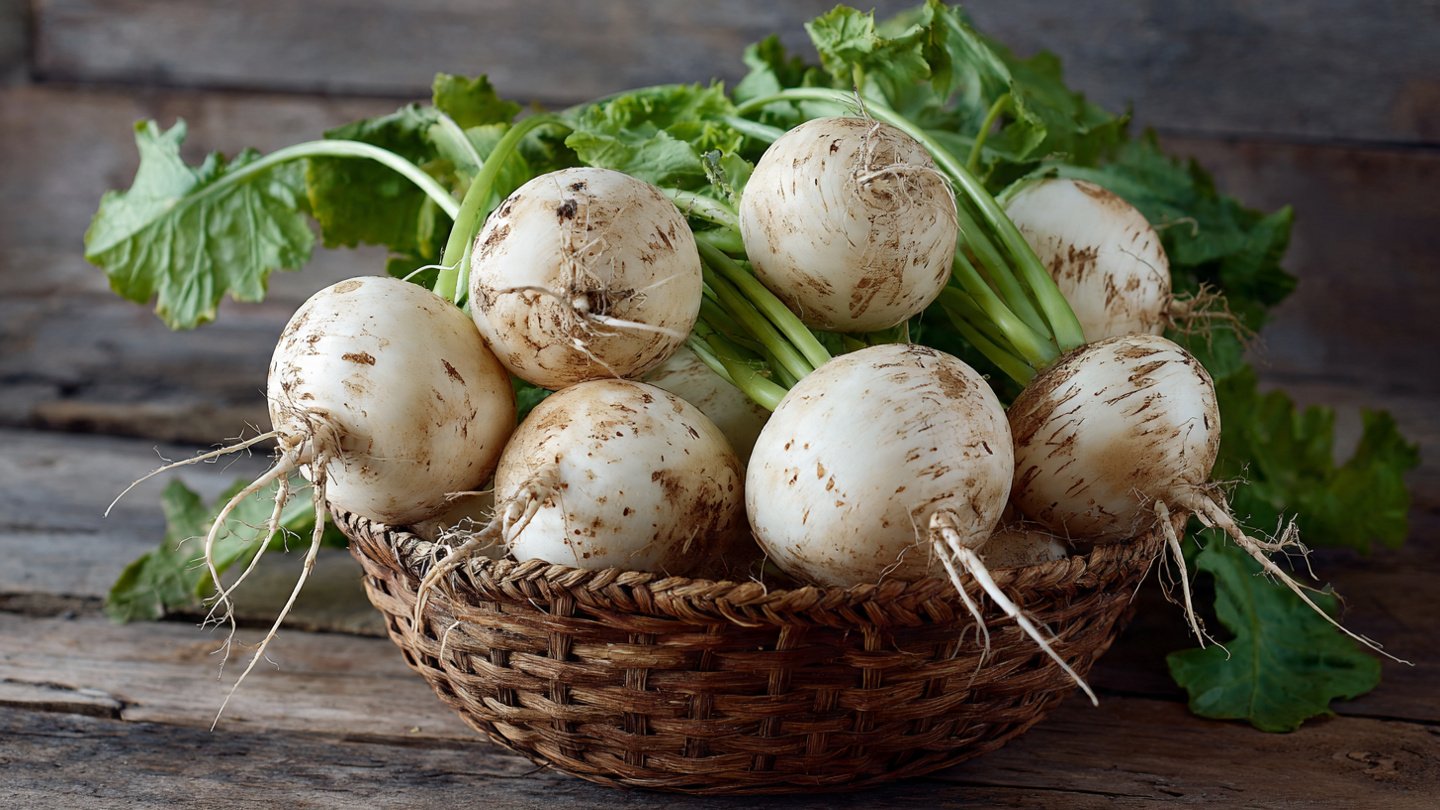
Jicama, also known as Mexican yam bean or Pachyrhizus erosus, is a crisp, mildly sweet root vegetable prized for its refreshing texture and versatility. Often eaten raw in salads, salsas, or as a healthy snack, jicama is low in calories, rich in fiber, and packed with vitamin C. While it may seem exotic, growing jicama at home is surprisingly easy with the right conditions, care, and patience. By following this guide, you can harvest big, sweet, crunchy jicama tubers right from your backyard or container garden.
This article will cover everything from choosing seeds to harvesting, including tips to maximize tuber size and sweetness, so you can enjoy a bountiful jicama harvest year after year.
Why Grow Jicama at Home?
There are many reasons to consider adding jicama to your home garden:
- Freshness and Flavor: Homegrown jicama is sweeter and crisper than store-bought varieties.
- Health Benefits: Rich in fiber and antioxidants, jicama supports digestion, hydration, and overall wellness.
- Extended Growing Season: Jicama thrives in warm climates and can produce tubers over several months.
- Unique and Decorative Plant: Its vining habit, attractive green leaves, and pea-like flowers make it both functional and ornamental.
- Low Maintenance: With proper care, jicama is hardy and pest-resistant.
Growing jicama at home allows you to enjoy a fresh, nutrient-rich vegetable while adding a touch of tropical flair to your garden.
Step 1: Understanding Jicama Growing Requirements
Jicama is a tropical or subtropical plant, native to Mexico, and prefers a long, warm growing season of 6–9 months. To produce big, sweet tubers, you need to provide the following conditions:
- Temperature: Jicama thrives in 70–85°F (21–29°C) during the day. Frost will damage the plant and tubers.
- Sunlight: Full sun (at least 6–8 hours daily) is essential for vigorous growth and tuber development.
- Soil: Well-draining, fertile soil with a slightly acidic to neutral pH (6.0–7.0). Avoid waterlogged soils to prevent root rot.
- Space: Jicama vines can grow 10–15 feet long, so give them vertical or horizontal space to spread.
Understanding these requirements sets the stage for a healthy and productive jicama crop.
Step 2: Choosing Seeds or Tubers
Jicama is grown from seeds, not the tubers themselves. Purchasing quality seeds is crucial for high-yield, sweet tubers.
- Seed Selection: Choose reputable seeds labeled as edible jicama (Pachyrhizus erosus).
- Germination: Seeds have a hard outer shell and can take 1–3 weeks to germinate. Soaking seeds in warm water for 24 hours before planting helps speed up germination.
- Varieties: Some varieties, like ‘Tavera’ or ‘Mexican Cream,’ produce larger, sweeter tubers.
Avoid planting store-bought jicama tubers, as they often do not produce viable seeds and may rot.
Step 3: Starting Seeds Indoors
Starting seeds indoors allows you to extend the growing season and gives plants a strong start:
- Fill seed trays or pots with light, well-draining seed-starting mix.
- Plant seeds ½–1 inch deep.
- Keep soil consistently moist but not soggy.
- Maintain a warm environment (70–80°F) to encourage germination.
- Once seedlings have 2–3 true leaves, they are ready to transplant.
Seedlings started indoors are more resilient and adapt better to outdoor conditions when transplanted.
Step 4: Preparing the Garden or Containers
Jicama thrives in deep, loose soil because the tubers develop underground and require room to grow.
- Soil Preparation: Work in organic compost or well-rotted manure to improve fertility and texture.
- Raised Beds or Mounds: Mounding soil can improve drainage and tuber size.
- Containers: Large pots (at least 18–24 inches deep) can accommodate jicama, making it a great option for small spaces or patios.
A well-prepared growing area is essential for large, healthy tubers.
Step 5: Transplanting Seedlings
Transplant seedlings outdoors once the risk of frost has passed and soil temperatures are above 65°F:
- Spacing: Plant seedlings 12–18 inches apart with 3–4 feet between rows. Jicama vines need room to spread.
- Support: Provide trellises or stakes for climbing varieties to optimize sunlight exposure and airflow.
- Watering: Water immediately after transplanting to help seedlings establish.
Proper spacing and support encourage strong vine growth and maximize tuber size.
Step 6: Watering and Fertilizing
Watering
Jicama requires consistent moisture, especially during tuber formation:
- Keep soil evenly moist but avoid waterlogging.
- Reduce watering 1–2 months before harvest to concentrate sugars in the tubers, enhancing sweetness.
- Mulch around the base of plants to retain moisture and regulate soil temperature.
Fertilizing
Organic fertilizers promote healthy growth:
- Use compost, worm castings, or fish emulsion every 3–4 weeks.
- Avoid excessive nitrogen, which encourages vine growth over tuber development.
- A balanced NPK fertilizer with higher phosphorus and potassium supports root formation.
Consistent nutrition and moisture lead to bigger, sweeter jicama tubers.
Step 7: Controlling Pests and Diseases
Jicama is relatively pest-resistant but may encounter occasional issues:
- Aphids and whiteflies: Spray with insecticidal soap or neem oil.
- Fungal diseases: Ensure good air circulation and avoid overhead watering to prevent leaf spot or root rot.
- Rodents: Protect tubers with netting or raised containers, as small animals may chew on them.
Regular monitoring and organic interventions are sufficient to maintain healthy plants.
Step 8: Encouraging Big and Sweet Tubers
To maximize tuber size and sweetness, follow these key practices:
- Long Growing Season: Allow at least 6–9 months of frost-free growth. Longer seasons produce larger tubers.
- Warm Temperatures: Consistently warm soil promotes tuber development.
- Reduce Watering Before Harvest: Gradually decreasing watering 4–6 weeks before harvest concentrates natural sugars, improving flavor.
- Avoid Vine Pruning: While pruning can control vine length, avoid cutting leaves excessively, as the plant needs foliage for photosynthesis to feed tubers.
- Support Healthy Foliage: Leafy vines provide energy to underground tubers, so maintain healthy, disease-free leaves.
Attention to these factors ensures a harvest of sweet, sizable jicama.
Step 9: Harvesting Jicama
Timing is crucial for sweet and tender jicama tubers:
- Tubers are usually ready 7–9 months after planting, once vines begin to yellow and die back.
- Carefully dig around the base of the plant to avoid damaging tubers.
- Tubers can range from 2–5 pounds, depending on variety and growing conditions.
Storage:
- Store unwashed jicama in a cool, dry, well-ventilated area for up to 1–2 months.
- Refrigeration can extend freshness for several weeks.
Proper harvesting and storage preserve the sweet flavor and crisp texture.
Step 10: Using Jicama at Home
Homegrown jicama is versatile and can be enjoyed in many ways:
- Raw: Slice into sticks for salads, slaws, or snacks.
- Cooked: Stir-fry or add to soups and stews for mild sweetness.
- Pickled: Make tangy, crunchy pickles for a unique side dish.
- Juiced or Smoothies: Add to tropical juices for extra fiber and hydration.
Growing jicama at home guarantees crisp, sweet, nutrient-rich tubers free from chemical residues.
Tips for Successful Homegrown Jicama
- Start seeds early indoors in cooler climates.
- Ensure long frost-free growing periods for maximum tuber size.
- Use trellises for vine support to improve sunlight exposure.
- Provide consistent water and nutrients throughout the growing season.
- Be patient: Jicama tubers develop slowly but reward your patience with large, sweet harvests.
By following these simple yet effective steps, even beginner gardeners can enjoy a bountiful jicama harvest.
Conclusion
Growing jicama at home is a rewarding and achievable goal for gardeners seeking healthy, crunchy, and sweet tubers. With the right seeds, proper soil preparation, consistent care, and patience, your backyard or container garden can produce a stunning jicama crop.
From selecting seeds and preparing soil to watering, fertilizing, and harvesting, attention to detail ensures large, flavorful tubers that rival any store-bought variety. The plant’s vigorous vines, attractive leaves, and beautiful pea-like flowers add both practicality and charm to your garden, making jicama a perfect choice for gardeners seeking both nutrition and beauty.
By following this easy guide, you can enjoy the crisp taste, versatility, and health benefits of jicama while experiencing the satisfaction of growing your own tropical root vegetable at home.