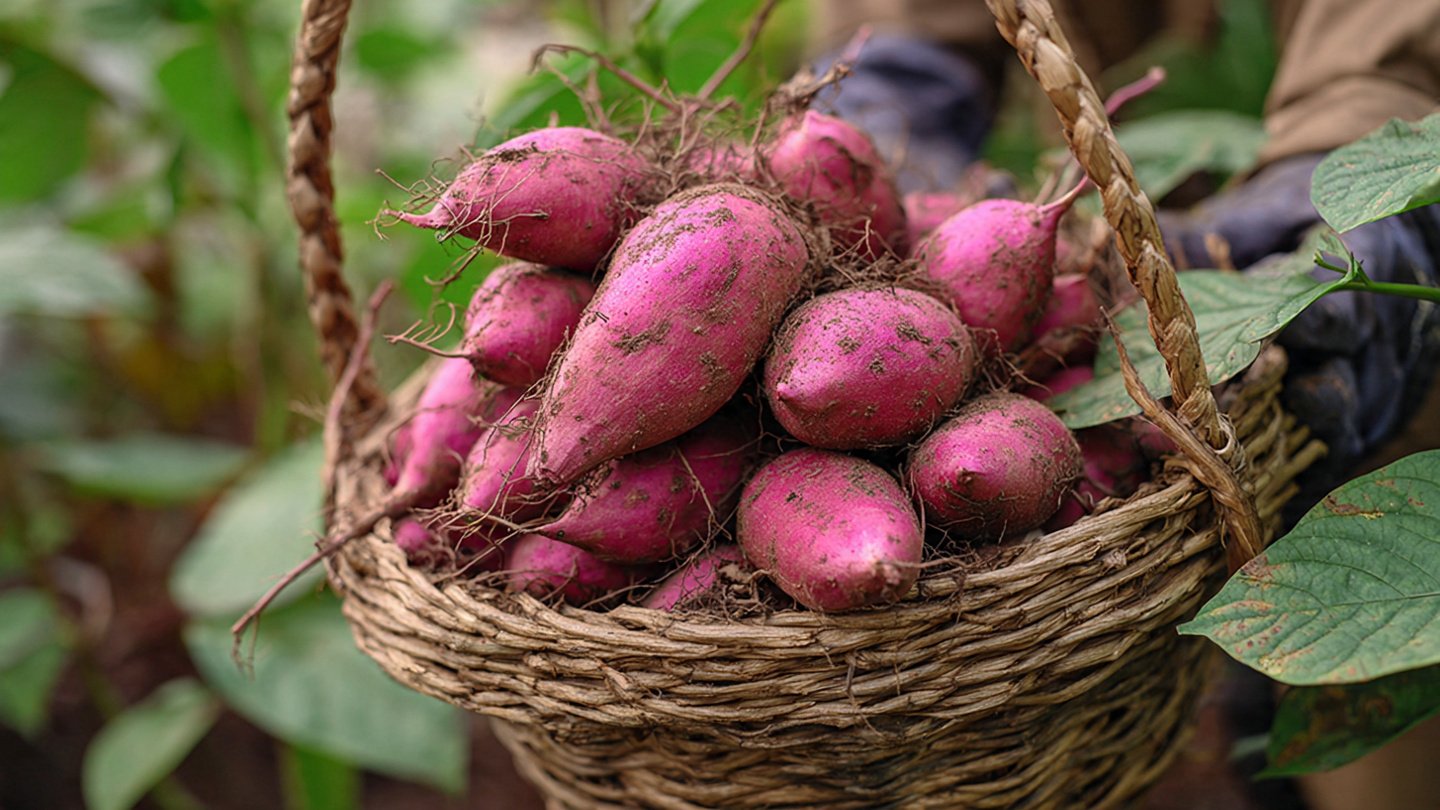
Sweet potatoes are a nutritious, versatile, and highly rewarding crop to grow at home. They are rich in vitamins, minerals, and fiber, and can be used in a wide variety of dishes—from baked fries to soups and desserts. The best part? With the right techniques, you can produce abundant tubers at home, even in small garden spaces or containers. This beginner-friendly guide will walk you through every step of growing sweet potatoes at home, from selecting the right slips to harvesting a bountiful crop of tubers.
Why Grow Sweet Potatoes at Home?
Homegrown sweet potatoes offer many advantages:
- High nutritional value: Sweet potatoes are rich in beta-carotene, vitamin C, potassium, and dietary fiber.
- Better taste: Freshly harvested sweet potatoes are sweeter and moister than store-bought varieties.
- Cost-effective: Growing your own reduces grocery bills, especially if you consume them regularly.
- Continuous supply: Proper care allows multiple harvests or storage for months.
- Gardening satisfaction: Watching vines spread and producing tubers is highly rewarding.
Growing sweet potatoes at home is not only easy but also ensures that you have fresh, chemical-free tubers at your fingertips.
Selecting the Right Variety
Choosing the right variety is the first step toward a successful harvest. Sweet potatoes come in various shapes, colors, and flavors:
- Orange-fleshed: Rich in beta-carotene and naturally sweet. Examples: ‘Beauregard’, ‘Georgia Jet’.
- White-fleshed: Mild and starchy, ideal for mashing or baking. Examples: ‘O’Henry’, ‘Hernandez’.
- Purple-fleshed: High in antioxidants with a slightly nutty flavor. Examples: ‘Stokes Purple’, ‘Vardaman’.
- Early-maturing varieties: Harvest in 90–100 days, perfect for shorter growing seasons.
For beginners, orange-fleshed varieties like ‘Beauregard’ are ideal—they are easy to grow, high-yielding, and versatile in the kitchen.
Preparing Slips (Sweet Potato Shoots)
Sweet potatoes are grown from slips—young shoots sprouted from a mature tuber. Here’s how to prepare slips at home:
- Select healthy tubers: Choose firm, disease-free sweet potatoes.
- Place in water: Partially submerge the tuber in water, leaving the top half exposed. Use toothpicks to hold it steady.
- Warm environment: Keep in a warm, bright area (70–80°F / 21–27°C) for 2–3 weeks.
- Sprout development: Small shoots will start emerging from the eyes of the tuber.
- Separate slips: When shoots reach 6–8 inches, carefully twist them off and place them in water until roots form.
Healthy slips with well-developed roots are essential for vigorous vine growth and abundant tuber production.
Choosing the Right Location
Sweet potatoes need warm, sunny conditions for optimal growth:
- Full sun: At least 6–8 hours of direct sunlight daily.
- Well-drained soil: Sandy loam or light soil is ideal; heavy clay can produce misshapen tubers.
- Space for spreading: Sweet potato vines can grow 6–12 feet long, so allow room for trailing or use vertical supports.
If you have limited ground space, sweet potatoes can also be grown in large containers or raised beds. Ensure containers are at least 12–16 inches deep to accommodate tuber growth.
Soil Preparation
Proper soil preparation is crucial for producing lots of healthy tubers:
- Loosen soil: Dig or till soil to a depth of 12–15 inches to allow unrestricted root growth.
- Add organic matter: Mix in compost or well-rotted manure to improve fertility and structure.
- pH preference: Sweet potatoes thrive in slightly acidic to neutral soil (pH 5.5–6.5).
- Avoid excessive nitrogen: Too much nitrogen encourages leafy growth but reduces tuber formation.
A well-prepared bed ensures that tubers grow long, uniform, and abundant.
Planting Sweet Potato Slips
Planting slips correctly ensures strong growth and a high yield:
- Spacing: Plant slips 12–18 inches apart in rows spaced 3–4 feet apart. Crowding reduces tuber size.
- Depth: Plant slips deep enough to cover at least half of the stem, leaving leaves above the soil.
- Watering: Water thoroughly after planting to help the slips establish roots.
For containers, plant one slip per large pot (at least 15 inches deep) to allow enough space for multiple tubers to develop.
Watering and Mulching
Consistent watering is key for tuber development:
- Regular watering: Keep soil evenly moist, especially during the first 3–4 weeks after planting.
- Avoid waterlogging: Excess water can cause rot and reduce tuber quality.
- Mulching: Apply straw, dried leaves, or grass clippings to retain moisture, suppress weeds, and regulate soil temperature.
Proper watering and mulching reduce stress on the plants, encouraging abundant tuber growth.
Fertilization for Maximum Yield
Sweet potatoes require balanced nutrition for optimal tuber formation:
- During vine growth: Use a low-nitrogen fertilizer to avoid excessive leafy growth.
- Tuber development: Apply phosphorus and potassium-rich fertilizers to promote root expansion.
- Organic alternatives: Compost tea, wood ash, or banana peel mulch can supply nutrients naturally.
Regular but moderate fertilization ensures a high tuber yield without compromising flavor.
Caring for the Vines
Sweet potato vines need minimal but consistent care:
- Pruning: Occasionally trim overly long vines to focus energy on tuber formation.
- Weeding: Keep beds free from weeds to reduce competition for nutrients and water.
- Pest control: Monitor for pests like sweet potato weevils and aphids. Organic solutions like neem oil or insecticidal soap work well.
- Support: If using vertical planting, provide trellises for climbing varieties.
Healthy vines translate directly into healthy, abundant tubers underground.
Harvesting Sweet Potatoes
Timing the harvest is crucial for maximum yield and flavor:
- Maturity period: Most varieties are ready in 90–120 days after planting.
- Indicators: Leaves may start yellowing slightly, and vines may slow growth.
- Harvest method: Gently loosen soil with a fork and lift the tubers carefully to avoid damage.
- Curing: Dry tubers in a warm, shaded area for 5–10 days to harden the skin and enhance sweetness.
Curing also allows sweet potatoes to store longer, providing a steady supply for your family.
Storing Sweet Potatoes
Proper storage is essential for enjoying your harvest over several months:
- Cool, dry place: Store at 55–60°F (13–16°C) with good ventilation.
- Avoid refrigeration: Cold temperatures can cause the tubers to develop a hard core or off-flavors.
- Layering: Use straw or newspaper to separate tubers and prevent bruising.
With proper storage, homegrown sweet potatoes can last for 3–6 months, ensuring a consistent supply of nutritious food.
Common Mistakes to Avoid
Even beginners can succeed by avoiding common pitfalls:
- Planting in heavy, compacted soil: Leads to misshapen tubers.
- Over-fertilizing with nitrogen: Produces lush leaves but few tubers.
- Overwatering: Causes rot and reduces tuber quality.
- Neglecting sun exposure: Sweet potatoes need full sunlight for strong growth.
- Crowding plants: Too-close spacing reduces tuber size and yield.
Avoiding these mistakes will ensure a bountiful, high-quality harvest.
Tips for Maximizing Tubers
- Provide warm soil: Sweet potatoes thrive in soil temperatures above 65°F (18°C). Use black plastic mulch to warm soil early in the season.
- Succession planting: Plant new slips every 2–3 weeks for a continuous harvest.
- Use raised beds or containers: Encourage tuber development with loose, deep soil.
- Train vines carefully: Guide vines along the ground or trellises to save space and reduce damage.
By following these simple tips, even beginner gardeners can harvest large quantities of sweet potatoes from home.
Conclusion
Growing sweet potatoes at home is easier than many people think. With the right variety, healthy slips, well-prepared soil, consistent watering, and proper care, anyone can produce a bountiful harvest of nutritious tubers. Whether you have a backyard garden, raised bed, or container setup, sweet potatoes adapt well and reward your efforts with a delicious, versatile crop.
By following this easy guide, you can provide your family with a steady supply of sweet potatoes, reduce grocery expenses, and enjoy the unmatched flavor and nutrition of freshly harvested tubers. With patience, consistent care, and a little space, your home garden can produce abundant sweet potatoes that feed your family easily and healthily.