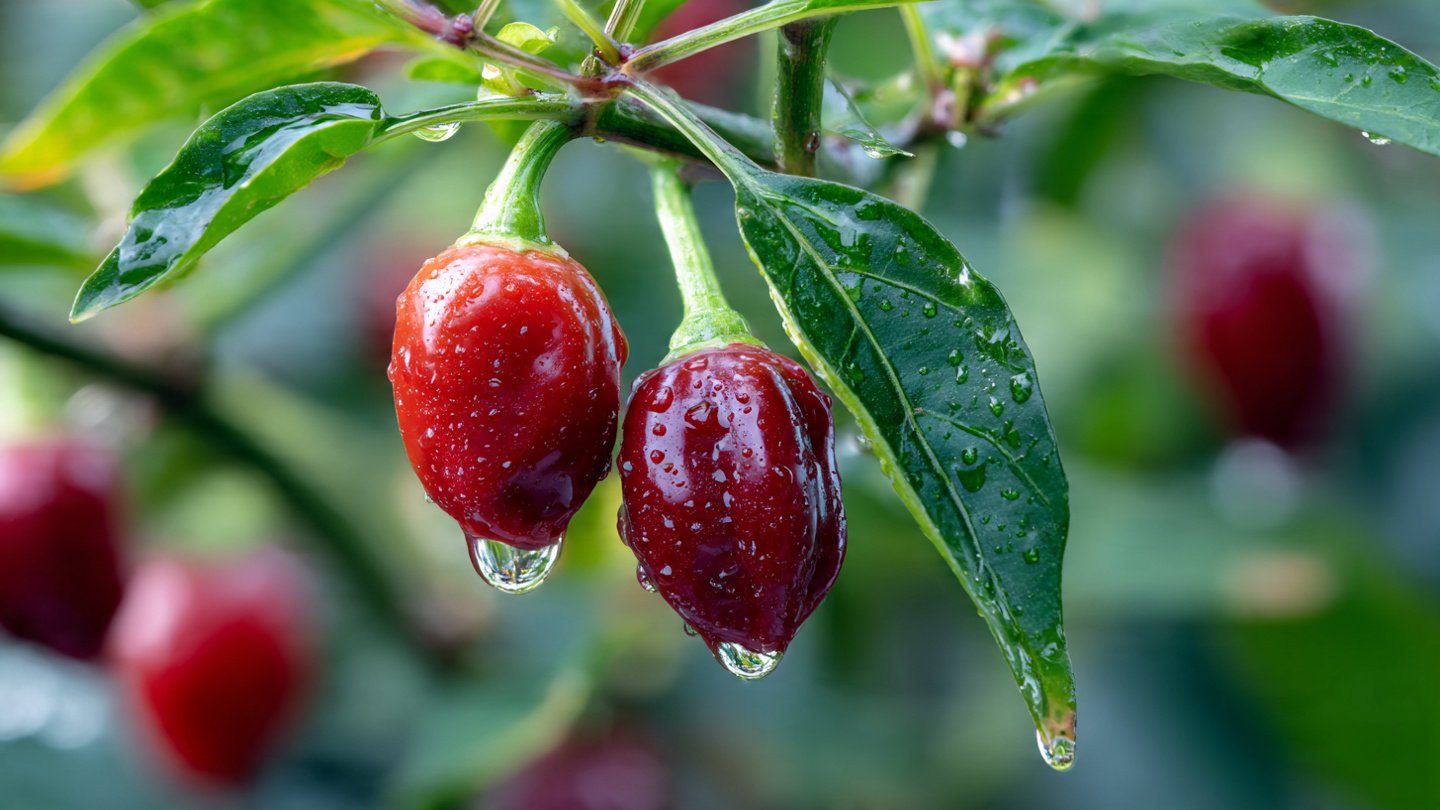
Growing chili peppers can be incredibly rewarding, but one common challenge many gardeners face is low fruit production. Sometimes plants grow lush and green, but the number of peppers they produce is disappointing. Over the years, through experimentation and careful observation, I discovered several strategies that dramatically increased my chili pepper yield. In this guide, I’ll share step-by-step how I transformed my pepper plants into prolific producers and how you can apply these methods in your garden.
Understanding Why Chili Peppers Sometimes Underperform
Before increasing fruit production, it’s important to understand why chili peppers might produce fewer fruits than expected:
- Excessive Vegetative Growth: Pepper plants may focus on leaves and stems rather than flowers and fruits.
- Poor Pollination: Without proper pollination, flowers won’t set fruit.
- Nutrient Imbalance: Too much nitrogen encourages leaf growth at the expense of fruiting, while lack of phosphorus or potassium can stunt flower and fruit development.
- Environmental Stress: High heat, low temperatures, or irregular watering can cause flowers to drop before fruit sets.
- Variety Limitations: Some chili pepper varieties naturally produce fewer fruits or require longer growing seasons.
Identifying the cause of low yields is the first step in improving fruit production.
Selecting the Right Chili Pepper Varieties
Variety choice matters when aiming for high fruit production:
- High-Yield Varieties: Jalapeños, cayenne, and cayenne hybrids are known for producing many fruits per plant.
- Compact Varieties: Bush-type peppers are ideal for container gardening and tend to produce a steady number of fruits.
- Day-Length Considerations: Some varieties require longer daylight hours to flower and fruit effectively.
Choosing varieties suited to your climate and garden conditions gives you a head start in maximizing yield.
Proper Planting and Spacing
How you plant chili peppers affects their fruit production:
- Sunlight: Peppers need 6–8 hours of direct sunlight per day for optimal fruiting. Less light reduces flowering and fruit set.
- Spacing: Proper spacing improves airflow and reduces competition. Space plants 18–24 inches apart in garden beds or 12–18 inches apart in containers.
- Soil Preparation: Well-draining soil enriched with compost or organic matter provides essential nutrients for strong growth.
A solid foundation ensures that chili pepper plants can focus energy on fruit production instead of struggling for survival.
Fertilization for Maximum Fruit Production
Fertilizer plays a critical role in balancing vegetative growth with fruiting:
- Nitrogen (N): Necessary for leaf growth, but excess nitrogen encourages foliage over fruit. I used moderate nitrogen levels during the early growth stage.
- Phosphorus (P): Supports flower formation and root development. A phosphorus-rich fertilizer at flowering encourages more blooms.
- Potassium (K): Essential for fruit development and quality. Potassium encourages larger, healthier peppers.
Tip: I applied a balanced fertilizer (10-10-10) early in the season, then switched to a high-potassium fertilizer once flowers appeared. This shift helped my plants produce significantly more fruit.
Watering Techniques That Encourage Fruit
Consistent, moderate watering is key to fruit set:
- Avoid Stress: Irregular watering can cause flowers and small fruits to drop.
- Deep Watering: Water deeply 2–3 times per week rather than light daily watering to encourage strong root growth.
- Mulching: A layer of organic mulch helps retain soil moisture and regulate temperature.
By keeping soil consistently moist without waterlogging, my chili peppers experienced less flower drop and more fruit set.
Pruning to Increase Yield
Pruning may seem counterintuitive, but it helps focus the plant’s energy on producing fruits:
- Remove Suckers: Suckers are small shoots that grow in leaf axils. Removing them redirects energy to flower and fruit development.
- Trim Excess Leaves: If a plant becomes too bushy, pruning some leaves improves airflow and light penetration to flowers.
- Pinch Early Flowers: Removing the first few flowers when plants are young encourages stronger vegetative growth and ultimately more fruit later in the season.
Pruning helped my pepper plants grow stronger stems and produce a higher quantity of peppers without compromising health.
Encouraging Pollination
Even healthy, well-fed plants need effective pollination to produce fruit:
- Attract Pollinators: Bees and other insects naturally pollinate chili flowers. Planting flowers nearby or using companion plants attracts them.
- Hand Pollination: In the absence of pollinators, I used a small brush or gently shook the flowers to transfer pollen.
- Avoid Rain or Overhead Watering During Flowering: Excess moisture can wash pollen away, reducing fruit set.
By ensuring proper pollination, my chili plants consistently set more fruit per flower.
Managing Environmental Stress
Environmental stress can reduce fruiting, so I adjusted conditions to protect my peppers:
- Temperature: Peppers thrive between 70°F–85°F (21°C–29°C). Extreme heat or cold causes flower drop.
- Shade Protection: In very hot climates, light shade during peak afternoon sun prevents flowers from scorching.
- Wind Protection: Strong winds can damage flowers and stems, reducing yields.
Maintaining stable, favorable conditions helped my chili peppers stay healthy and productive.
Pest and Disease Control
Pests and diseases can indirectly reduce fruit production by weakening plants:
- Common Pests: Aphids, spider mites, and whiteflies can stress plants and reduce flower production. I use insecticidal soap or neem oil for control.
- Diseases: Fungal issues like powdery mildew or bacterial leaf spot can reduce plant vigor. Maintaining good airflow, spacing, and hygiene prevents outbreaks.
- Regular Monitoring: Inspecting plants weekly allows me to catch issues early, ensuring continuous fruiting.
Healthy plants naturally produce more flowers and fruits.
Harvesting Techniques That Encourage More Fruit
The way you harvest also influences total yield:
- Pick Regularly: I harvest ripe peppers every 3–5 days. Removing mature fruits signals the plant to produce more.
- Avoid Overripe Fruits: Leaving peppers on the plant too long can slow flowering and new fruit set.
- Handle Carefully: Use scissors or pruning shears to avoid damaging stems, which can reduce productivity.
Frequent and careful harvesting keeps my chili plants continuously producing.
Additional Tips for Maximum Yield
- Container Growing: I use large pots with well-draining soil and frequent feeding for container-grown peppers.
- Companion Planting: Planting basil, marigold, or nasturtium nearby helps attract pollinators and repel pests.
- Fertilize During Flowering: A water-soluble fertilizer high in phosphorus and potassium encourages more blooms and fruit.
- Consistent Monitoring: Weekly inspections for pests, nutrient deficiencies, and environmental stress keep plants productive.
- Patience: Chili peppers take time to produce fruit. Steady care over the growing season leads to higher yields.
Applying these strategies transformed my chili garden from modest to prolific.
Results of Implementing These Techniques
By combining proper fertilization, pruning, pollination, consistent watering, and careful harvesting, I achieved dramatic results:
- Plants that previously produced 5–10 peppers per season now produced 25–30 peppers.
- Fruits were larger, healthier, and more uniform in size.
- Flower drop was significantly reduced, ensuring higher fruit set.
The key takeaway is that increasing chili pepper yield is less about luck and more about understanding the plant’s needs and creating optimal conditions.
Conclusion
Growing chili peppers for maximum fruit production requires attention to detail, proper plant care, and a little experimentation. By selecting the right varieties, maintaining balanced nutrition, ensuring proper pollination, pruning strategically, and protecting plants from stress, I turned my pepper plants into prolific producers. Regular harvesting and vigilant monitoring ensure continuous fruiting throughout the season. These techniques are easy to implement for both beginner and experienced gardeners, and the results—abundant, healthy, and flavorful peppers—make the effort more than worthwhile.
With patience, consistent care, and attention to the factors that influence flowering and fruiting, anyone can make chili peppers produce more fruit and enjoy a bountiful harvest all season long.