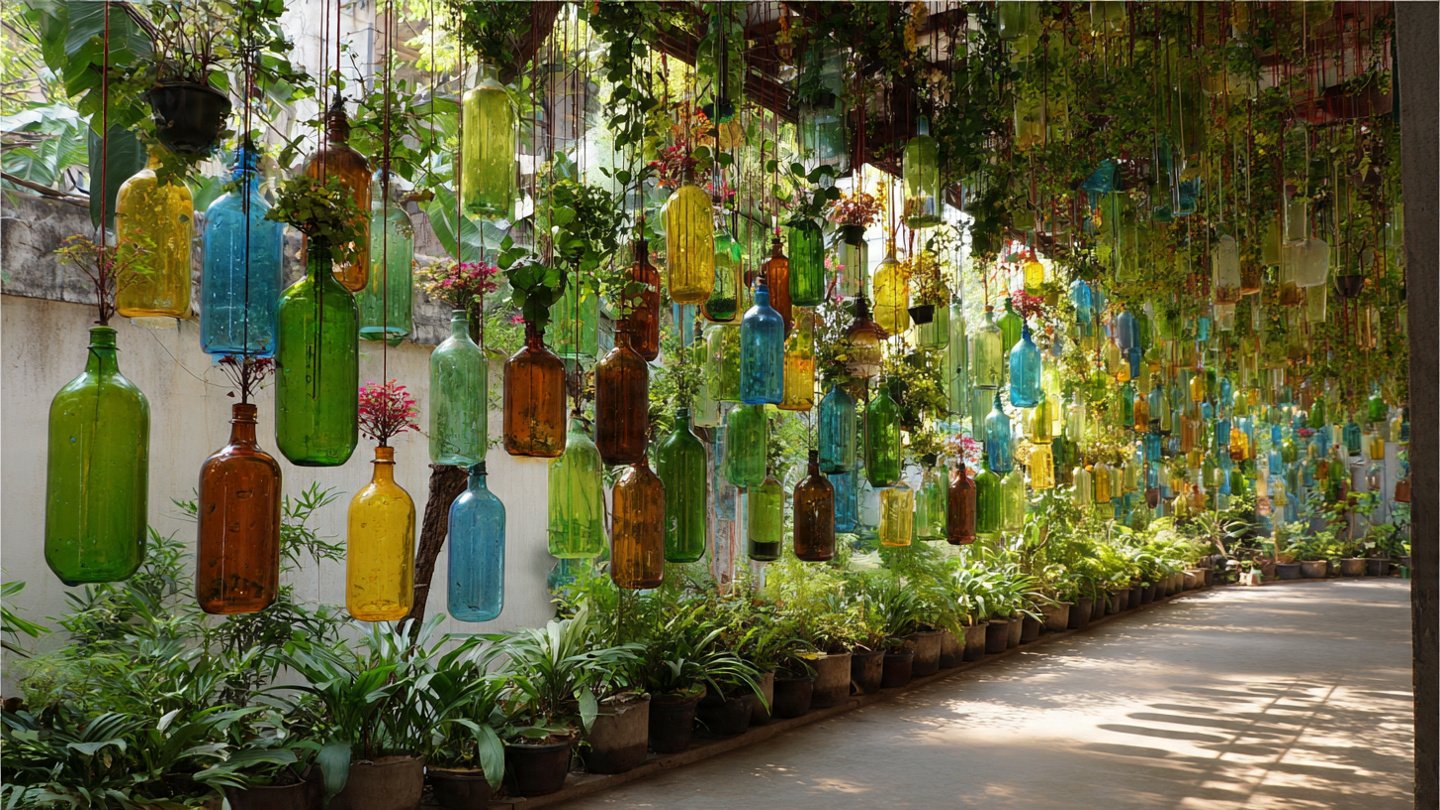
As sustainability continues to shape how we live, garden design in 2026 has taken a greener, smarter turn. One of the most exciting and accessible trends is the hanging garden made from plastic bottles. What once started as a simple recycling project has evolved into a modern, innovative gardening movement that combines eco-conscious living with creative design.
Plastic bottle hanging gardens are not only affordable and easy to make, but they also help reduce plastic waste, maximize small spaces, and bring nature into urban environments. From balconies and rooftops to schoolyards and office walls, these gardens are redefining how we grow plants in a sustainable way.
This article explores the latest innovations, creative ideas, and green inspiration behind plastic bottle hanging gardens in 2026—and why this trend is here to stay.
Why Hanging Gardens from Plastic Bottles Matter in 2026
Plastic pollution remains a global challenge, with millions of bottles discarded every day. In 2026, repurposing plastic waste has become more than a trend—it’s a responsibility. Hanging gardens made from plastic bottles offer a practical solution by transforming waste into functional, beautiful green spaces.
These gardens are especially valuable in urban areas where space is limited. Vertical and hanging designs allow people to grow herbs, vegetables, and decorative plants without traditional garden beds. They also improve air quality, reduce heat, and add visual appeal to concrete-heavy environments.
Evolution of Plastic Bottle Hanging Gardens
Early plastic bottle gardens were simple: bottles cut in half, filled with soil, and hung with string. In 2026, innovation has taken these ideas much further.
Modern hanging bottle gardens now feature:
- Modular vertical systems
- Smart irrigation techniques
- Stylish layouts and color coordination
- Integration with solar-powered watering systems
This evolution proves that sustainability and aesthetics can go hand in hand.
Latest Innovations in Plastic Bottle Hanging Gardens
1. Modular Hanging Bottle Systems
One of the biggest innovations in 2026 is the use of modular designs. Bottles are arranged in interlocking or stackable systems, making it easy to expand or rearrange the garden. These systems allow gardeners to replace individual bottles without disturbing the entire setup.
2. Smart Drip Irrigation from Reused Bottles
DIY drip irrigation systems made entirely from recycled bottles are now widely used. Water flows from the top bottle down through tiny holes, ensuring each plant receives just the right amount of moisture. This reduces water waste and keeps plants healthy with minimal effort.
3. Self-Watering Hanging Bottles
Self-watering designs using cotton wicks or gravity-fed reservoirs have become popular in 2026. These systems are ideal for busy lifestyles, as they keep soil moist for days without frequent watering.
4. Solar-Enhanced Hanging Gardens
Some creative gardeners are combining plastic bottle gardens with small solar-powered pumps or lights. Solar energy powers water circulation or subtle nighttime illumination, making gardens both functional and visually stunning after sunset.
5. Aesthetic Bottle Customization
Gone are the days of plain, transparent bottles. In 2026, plastic bottles are painted, wrapped with natural fibers, or covered in eco-friendly coatings to match modern garden themes. This turns recycled bottles into decorative elements rather than hidden containers.
Best Plants for Plastic Bottle Hanging Gardens
Choosing the right plants is key to success. Lightweight, shallow-rooted plants work best in plastic bottle gardens.
Popular plant choices in 2026 include:
- Herbs like basil, mint, parsley, and thyme
- Leafy greens such as lettuce, spinach, and arugula
- Succulents and cacti for low-maintenance setups
- Flowering plants like petunias and marigolds
- Indoor plants such as pothos and spider plants
These plants thrive in vertical environments and adapt well to container growth.
Creative Hanging Garden Layout Ideas
Vertical Wall Installations
Vertical walls made entirely from plastic bottles are a favorite in 2026. Bottles are mounted in neat rows or creative patterns, turning blank walls into living art pieces.
Spiral Hanging Designs
Spiral arrangements allow plants to cascade beautifully, creating a dynamic and modern look. This layout works especially well in balconies or open patios.
Window and Balcony Gardens
Hanging bottle gardens attached to railings or windows maximize unused space while bringing greenery closer to living areas.
Environmental Benefits of Plastic Bottle Hanging Gardens
The environmental impact of these gardens goes far beyond aesthetics. In 2026, they are recognized as a powerful tool for sustainable living.
Key benefits include:
- Reducing plastic waste sent to landfills
- Conserving water through drip and self-watering systems
- Lowering indoor and outdoor temperatures
- Supporting urban biodiversity
- Encouraging eco-awareness and community participation
These gardens demonstrate how small actions can contribute to larger environmental goals.
Hanging Gardens as Green Education Tools
Schools, community centers, and eco-projects in 2026 are increasingly using plastic bottle gardens as educational tools. They teach children and adults about recycling, plant care, and environmental responsibility in a hands-on way.
Students learn that sustainability is not abstract—it’s something they can create and maintain themselves.
How Plastic Bottle Hanging Gardens Inspire Urban Living
Urban lifestyles often feel disconnected from nature. Hanging gardens bridge that gap by bringing greenery into apartments, offices, and public spaces. In 2026, many city dwellers see these gardens as a form of “micro-farming” that supports mental well-being and self-sufficiency.
Even a small hanging herb garden can encourage healthier eating habits and reduce dependence on store-bought produce.
Challenges and Smart Solutions in 2026
While plastic bottle gardens are simple, they do come with challenges. Common issues include drainage, overheating, and durability. However, modern solutions have emerged.
Innovations such as improved drainage designs, UV-resistant coatings, and reinforced hanging supports have made plastic bottle gardens more durable and long-lasting than ever before.
Green Inspiration for the Future
The popularity of plastic bottle hanging gardens in 2026 reflects a broader shift toward mindful living. These gardens prove that sustainability does not require expensive tools or large spaces—just creativity and intention.
As more people embrace green lifestyles, plastic bottle gardens are becoming symbols of innovation, responsibility, and hope for a cleaner future.
Final Thoughts
The amazing hanging garden from plastic bottles is more than a DIY trend—it’s a green movement shaping how we think about waste, space, and nature in 2026. With the latest innovations in design, irrigation, and aesthetics, these gardens are practical, beautiful, and environmentally impactful.
Whether you’re an urban resident with a small balcony or someone looking to live more sustainably, plastic bottle hanging gardens offer endless inspiration. By turning everyday waste into living greenery, you’re not just decorating your space—you’re contributing to a healthier planet.