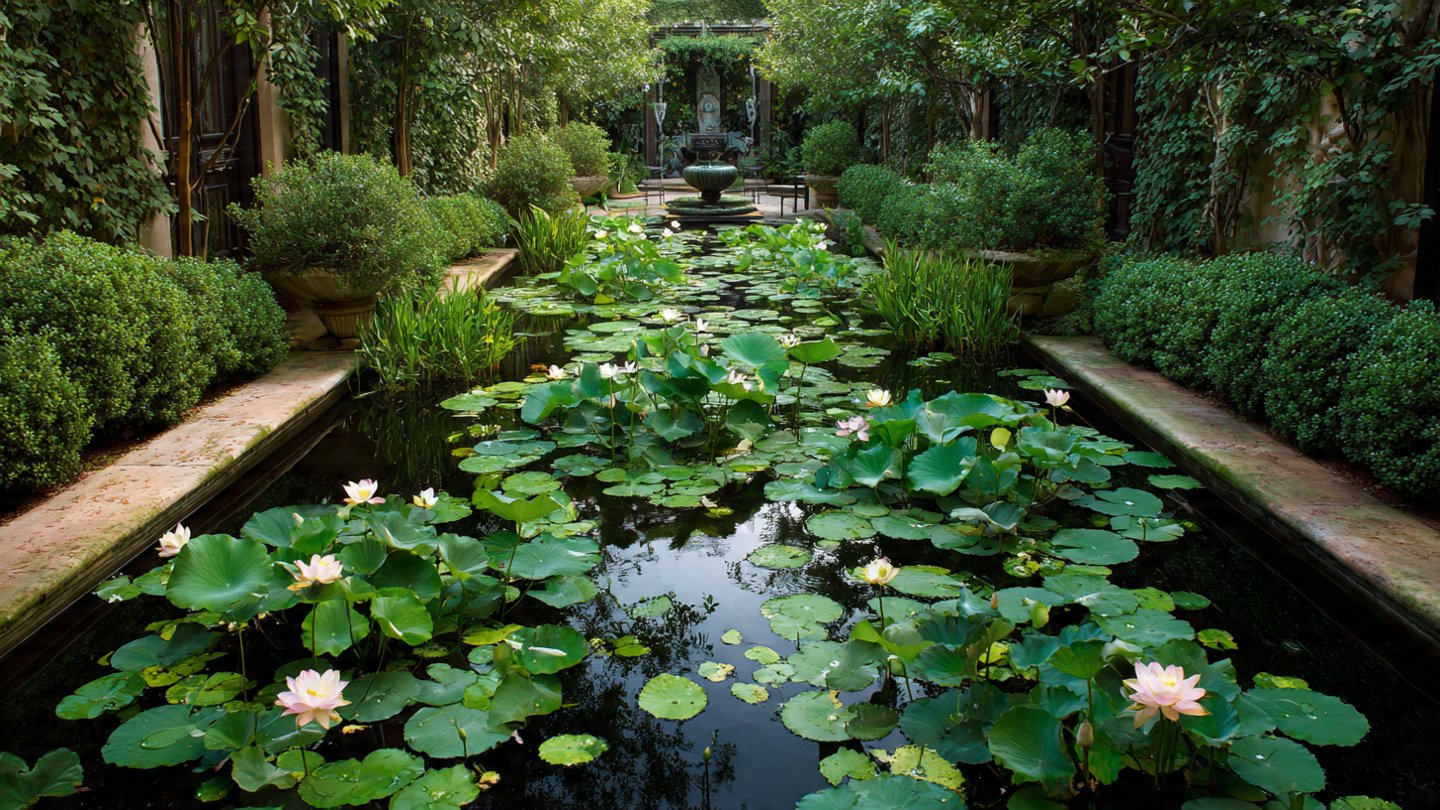
A well-designed front yard garden is the perfect way to create a welcoming and tranquil first impression for your home. Among the many plants that can transform your outdoor space, the lotus (Nelumbo nucifera) stands out as one of the most captivating and symbolic options. Known for its stunning flowers, vibrant foliage, and cultural significance, the lotus can bring elegance, serenity, and a touch of exotic beauty to any front yard garden.
Growing lotus at home is easier than most people think. With the right techniques and care, you can enjoy lush green leaves and beautiful blooms that elevate the aesthetics of your garden. In this guide, we’ll explore how to design a lotus-centric front yard, step-by-step instructions for growing lotus at home, and practical tips for maintaining healthy plants all year round.
Why Lotus is Perfect for Front Yard Gardens
Lotus plants are more than just ornamental—they have multiple benefits that make them ideal for home gardens:
- Visual Appeal: Lotus flowers bloom in shades of pink, white, and yellow, creating a striking focal point. Their large, circular leaves add texture and depth to garden ponds or water features.
- Symbolism: The lotus is a symbol of purity, enlightenment, and serenity in many cultures, adding spiritual and aesthetic value to your garden.
- Wildlife Attraction: Lotus flowers attract pollinators like bees and butterflies, adding life and vibrancy to your garden ecosystem.
- Low Maintenance: Once established, lotus plants are hardy and require minimal care, making them suitable even for beginner gardeners.
- Water Garden Integration: Lotus thrives in aquatic environments, making them perfect for ponds, containers, and decorative water features in the front yard.
By combining beauty, symbolism, and functionality, lotus plants create a captivating focal point that can transform any outdoor space.
Step 1: Planning Your Front Yard Garden
Before planting, it’s essential to plan your lotus garden for both aesthetics and plant health:
- Choose a Location: Lotus plants require 6–8 hours of direct sunlight daily for optimal growth and flowering. Select a sunny spot in your front yard that can accommodate water features.
- Design Water Features: Lotus naturally grows in shallow ponds or water containers. Decide if you want a decorative pond, large ceramic pot, or water garden basin. The size depends on the number of plants and your space availability.
- Consider Companion Plants: Include water lilies, papyrus, or ornamental grasses to complement the lotus and create a layered, natural look.
- Accessibility: Place lotus plants where they can be admired from the porch, pathway, or driveway, ensuring they enhance the overall front yard aesthetic.
Planning ensures that your lotus garden integrates seamlessly with the rest of your front yard design while giving the plants the conditions they need to thrive.
Step 2: Choosing the Right Lotus Variety
Lotus varieties differ in flower color, size, and growth habits. Popular options for home gardens include:
- ‘Momo Botan’ (Double Pink Lotus): Produces double-layered pink blooms, perfect for ornamental display.
- ‘Empress’ (White Lotus): Large, fragrant white flowers with striking foliage.
- ‘Temple of Heaven’ (Red Lotus): Bold red blossoms that provide a dramatic focal point.
- ‘Dwarf Red’ or ‘Dwarf Pink’: Ideal for container gardens or small ponds.
Select a variety based on your garden space, aesthetic preference, and desired bloom size. Dwarf varieties are great for limited spaces, while larger varieties create a more dramatic water garden effect.
Step 3: Selecting Containers or Ponds
Lotus can grow in both ponds and containers, making them versatile for front yard landscaping.
Pond Planting
- Depth: 12–18 inches for dwarf varieties, 18–24 inches for full-sized lotus.
- Width: Ensure enough surface area for leaves to spread without overcrowding.
- Lining: Use pond liners or pre-made garden ponds to retain water and prevent leaks.
Container Planting
- Container type: Wide, shallow containers are ideal. Terracotta, ceramic, or plastic tubs with a water-holding capacity work well.
- Drainage: Lotus roots should be planted in soil, not free-floating, so ensure containers allow the plant to stay anchored in nutrient-rich soil.
Container and pond planting both have advantages. Containers allow mobility and easy maintenance, while ponds provide a more natural, integrated look.
Step 4: Preparing Soil and Planting
Lotus requires nutrient-rich, heavy soil to thrive. Avoid light, fluffy potting soil, as it will float in water.
Steps for planting lotus:
- Fill your container or pond bottom with 4–6 inches of clay-rich garden soil or aquatic planting soil.
- Place a lotus tuber horizontally, ensuring the growth tip faces upward.
- Cover lightly with soil—do not bury the growing tip.
- Add a 1–2 inch layer of gravel or small pebbles to prevent soil from floating.
- Slowly add water until it covers the soil by 2–4 inches for young tubers.
Patience is key: lotus tubers may take a few weeks to develop leaves above water, so avoid disturbing them during this stage.
Step 5: Watering and Sunlight Requirements
Lotus is an aquatic plant, but it still requires careful attention to water levels:
- Water Level: Maintain 2–4 inches of water above soil for young plants. Mature lotus may require up to 12–18 inches of water depth.
- Sunlight: Full sun (6–8 hours per day) encourages strong growth and abundant flowering.
- Temperature: Lotus thrives in warm temperatures (75–85°F). They may go dormant in cooler climates, with leaves dying back in winter.
Proper sunlight and water management are essential for healthy lotus leaves and vibrant blooms.
Step 6: Fertilizing Your Lotus
Lotus are heavy feeders. Use organic aquatic fertilizers or slow-release fertilizer tablets designed for water plants:
- Fertilize once every 3–4 weeks during the growing season (spring to late summer).
- Avoid over-fertilizing, as excessive nutrients can cause algae growth in your pond.
- Apply fertilizer directly into the soil at the base of the plant rather than floating in water.
Balanced nutrition ensures large leaves, strong stems, and spectacular flower production.
Step 7: Controlling Pests and Diseases
Lotus plants are generally hardy but can occasionally encounter pests or fungal issues:
- Aphids: Spray with a gentle stream of water or neem oil.
- Leaf miners or caterpillars: Handpick or use organic insecticidal soap.
- Fungal diseases: Avoid overhead watering during high humidity and remove damaged leaves promptly.
By monitoring your plants regularly and using organic methods, you can maintain healthy lotus without harsh chemicals.
Step 8: Encouraging Flowering
Lotus may take several months to bloom, but consistent care promotes vibrant flowering:
- Ensure full sunlight: Flower buds develop better in bright conditions.
- Maintain stable water levels: Sudden changes stress the plant and delay flowering.
- Fertilize appropriately: Blooming requires additional nutrients, especially phosphorus and potassium.
- Remove dead leaves: Clearing debris prevents disease and encourages new growth.
With patience and care, you can enjoy large, fragrant flowers that become the centerpiece of your front yard garden.
Step 9: Winter Care and Dormancy
In cooler climates, lotus may enter dormancy during winter:
- Indoor Protection: For container plants, move them indoors or into a greenhouse.
- Pond Protection: For outdoor ponds, ensure tubers remain submerged and insulated with leaves or straw to prevent freezing.
- Pruning: Trim back dead foliage to reduce decay in water.
Dormancy is a natural process, and healthy tubers will regrow in spring.
Step 10: Integrating Lotus Into Your Front Yard Design
Lotus can be combined with other garden elements to enhance your front yard:
- Water Features: Incorporate fountains, stepping stones, or rock gardens around lotus ponds.
- Lighting: Soft landscape lighting highlights blooms at night.
- Complementary Plants: Pair lotus with aquatic grasses, lilies, or marginal plants like irises and taro.
- Seating Areas: Place benches or chairs near the pond to enjoy the serene beauty of lotus blooms.
By thoughtfully designing your front yard, lotus becomes both an ornamental feature and a tranquil retreat.
Tips for Growing Beautiful Lotus at Home
- Start early: Plant tubers in spring for summer blooms.
- Use organic fertilizers: Avoid chemical fertilizers that can harm aquatic ecosystems.
- Monitor water quality: Keep water clean and free of excessive algae.
- Be patient: Lotus may take weeks to develop leaves and months to flower.
- Protect tubers in winter: In cold climates, ensure tubers remain unfrozen to regrow next season.
Following these tips ensures a healthy, visually stunning lotus garden in your front yard.
Conclusion
A front yard garden with lotus creates a striking focal point that blends beauty, serenity, and elegance. With the proper planning, planting, and care, you can enjoy lush green leaves, vibrant flowers, and a thriving aquatic ecosystem that enhances your home’s curb appeal.
From selecting the right variety and designing water features to maintaining proper sunlight, water levels, and nutrition, growing lotus at home is both rewarding and meditative. Whether you choose a small container garden or a larger pond installation, lotus plants bring color, fragrance, and a touch of tranquility to any front yard.
By following this complete guide, you can cultivate a stunning lotus garden that not only impresses guests but also provides a peaceful retreat for yourself—making your front yard a beautiful and serene sanctuary all year round.