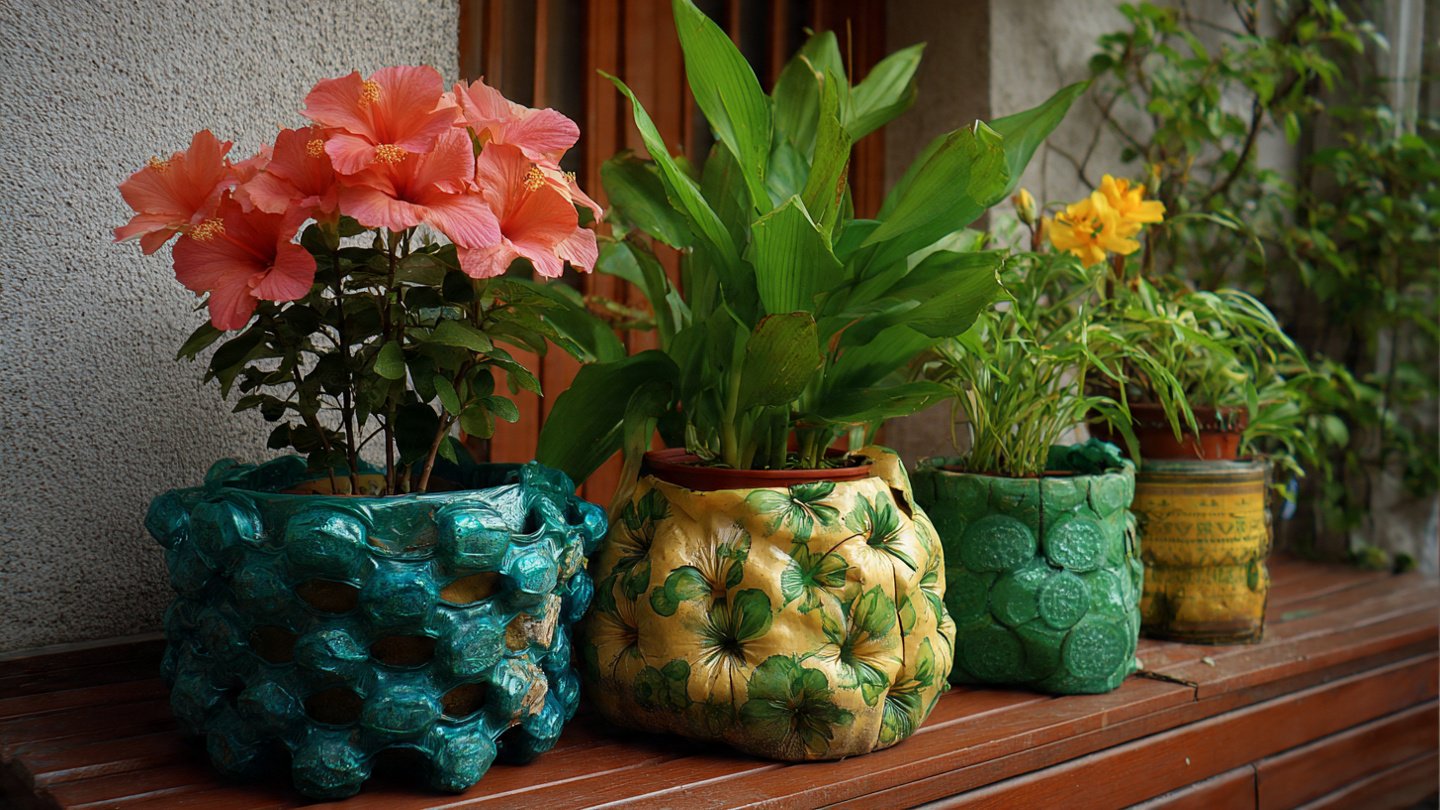
Plastic pollution is one of the biggest environmental challenges of our time, but what if everyday waste could be transformed into something beautiful and functional? One of the most creative ways to repurpose plastic is by turning old bottles into flower pots. Not only does this reduce waste, but it also allows gardeners, DIY enthusiasts, and eco-conscious individuals to design unique, personalized containers that brighten homes and gardens.
From small indoor herbs to vibrant outdoor blooms, plastic bottle flower pots are versatile, inexpensive, and surprisingly easy to make. In this guide, we’ll explore multiple creative ideas and step-by-step techniques to inspire your next eco-friendly project.
Why Use Plastic Bottles for Flower Pots?
Plastic bottles are perfect for DIY planters for several reasons:
- Eco-Friendly: Reusing bottles keeps them out of landfills and oceans.
- Cost-Effective: You save money by repurposing materials you already have.
- Customizable: Bottles can be painted, cut, shaped, or stacked in countless ways.
- Portable: Lightweight plastic pots are easy to move or hang.
- Durable: Unlike clay or ceramic pots, plastic won’t easily break.
With these advantages, plastic bottles become an excellent choice for gardeners who value sustainability and creativity.
Getting Started: Preparing Your Plastic Bottles
Before turning bottles into flower pots, preparation is key:
- Clean Thoroughly: Wash the bottles with warm, soapy water to remove residue.
- Cut Carefully: Depending on the design, you may need to cut horizontally, vertically, or carve openings. Sharp scissors or a craft knife work best.
- Drainage: Poke small holes in the bottom of each bottle to allow water to escape. Proper drainage prevents root rot.
- Decoration: Optional, but painting or wrapping bottles adds a personal touch and improves visual appeal.
With these basic steps, you’re ready to transform ordinary plastic into eye-catching planters.
Creative DIY Flower Pot Ideas
1. Hanging Bottle Planters
Turn bottles into vertical gardens by hanging them from ceilings, walls, or fences.
How-to:
- Cut the top third of the bottle off horizontally.
- Make two small holes on opposite sides of the bottle near the top.
- Thread strong rope, twine, or wire through the holes to create a hanger.
- Fill with soil and plant trailing flowers, herbs, or small ferns.
Hanging planters are perfect for balconies or small spaces where floor space is limited. Combine different bottle sizes for a cascading effect.
2. Stacked or Vertical Gardens
For urban gardens or patios, stacked bottles create a mini vertical farm.
How-to:
- Cut a hole in the side of each bottle, just large enough for plants to grow.
- Place the first bottle on the ground, soil inside, and plant seeds or seedlings.
- Stack the next bottle above it, aligning drainage holes to allow water to flow downward.
- Repeat to create multiple layers.
Vertical bottle gardens are ideal for growing herbs, strawberries, or succulents in tight spaces.
3. Animal and Character Pots
Add whimsy to your garden by turning bottles into animal or cartoon-inspired planters.
How-to:
- Cut a bottle in half or carve openings for the plant’s head.
- Use paint or markers to create eyes, noses, and other facial features.
- Add small accessories like ears from felt, pipe cleaners, or additional plastic.
- Plant trailing or bushy plants to “grow hair” or leaves for added character.
These playful pots are especially fun for kids’ gardening projects.
4. Mini Succulent Bottles
Plastic bottles are perfect for creating mini succulent gardens.
How-to:
- Use small bottles or cut soda bottles into short containers.
- Fill the bottom with pebbles for drainage, then add cactus or succulent soil.
- Plant tiny succulents and decorate with small stones or moss.
Mini succulent bottles make excellent gifts, table centerpieces, or windowsill displays.
5. Self-Watering Bottle Pots
Create low-maintenance planters that conserve water by making a self-watering bottle.
How-to:
- Cut the bottle in half.
- Invert the top half and place it into the bottom half, forming a funnel.
- Insert a piece of cloth or rope through the bottle neck as a wick.
- Fill the top with soil and plant your flower or herb.
- Add water to the bottom half; the wick slowly delivers moisture to the soil.
This system is ideal for busy gardeners or plants that require consistent watering.
6. Painted and Decorated Bottles
Simple paint and decoration can elevate a basic plastic bottle into a beautiful statement planter.
Ideas:
- Spray paint bottles in vibrant colors for a bold outdoor display.
- Use acrylic paints to create floral patterns, stripes, or geometric designs.
- Wrap bottles in twine, burlap, or fabric for a rustic look.
- Apply stickers or stencils for seasonal themes.
Decorated bottle pots allow your creativity to shine while repurposing everyday waste.
7. Bottle Herb Gardens
Plastic bottles are perfect for indoor herb gardens, especially in kitchens.
How-to:
- Cut the top off a 1–2 liter bottle.
- Place the bottle on a sunny windowsill.
- Plant herbs like basil, parsley, or cilantro.
- Rotate and water regularly.
Because herbs thrive in shallow soil and bright light, bottles provide the perfect small-space solution.
8. Hanging Wall Gardens
Transform a wall into a vertical oasis using bottles.
How-to:
- Cut bottle sides open to create small pots.
- Attach the bottles to a wooden frame, wire grid, or wall hooks.
- Plant flowers, succulents, or trailing herbs.
- Arrange in patterns for visual interest.
Wall-mounted bottle gardens are stunning for patios, kitchens, or living room walls.
Tips for Longevity and Plant Health
- Ensure Proper Drainage: Even small bottles need holes to prevent waterlogging.
- Monitor Watering: Plastic retains moisture, so avoid overwatering.
- Use Quality Soil: Lightweight potting mix is best for bottle planters.
- Position Carefully: Consider sunlight requirements and air circulation.
- Rotate Bottles: Ensure even light exposure for all plants.
- Clean Bottles Regularly: Prevent mold and mineral buildup from water.
Following these tips ensures your bottle planters remain functional and beautiful for years.
Benefits of Plastic Bottle Flower Pots
- Eco-Friendly: Reduces plastic waste by giving bottles a second life.
- Affordable: A zero-cost alternative to store-bought pots.
- Customizable: Endless options for size, shape, and design.
- Portable: Lightweight and easy to move indoors or outdoors.
- Educational: Great project for teaching kids about recycling and sustainability.
By turning waste into art, you contribute to environmental conservation while enhancing your living space.
Final Thoughts
Plastic bottles, often seen as waste, can be transformed into unique, creative, and functional flower pots. With a little imagination, scissors, paint, and soil, anyone can create hanging gardens, vertical displays, self-watering systems, or whimsical character planters. These DIY projects not only beautify your home and garden but also promote sustainability by repurposing materials that would otherwise contribute to pollution.
Whether you’re a beginner gardener or an experienced DIY enthusiast, plastic bottle flower pots are a fun, eco-friendly, and practical solution for growing plants in style. From indoor herbs to cascading flowers, the possibilities are limited only by your creativity. So grab your empty bottles, unleash your imagination, and start turning waste into green wonders today! 🌱