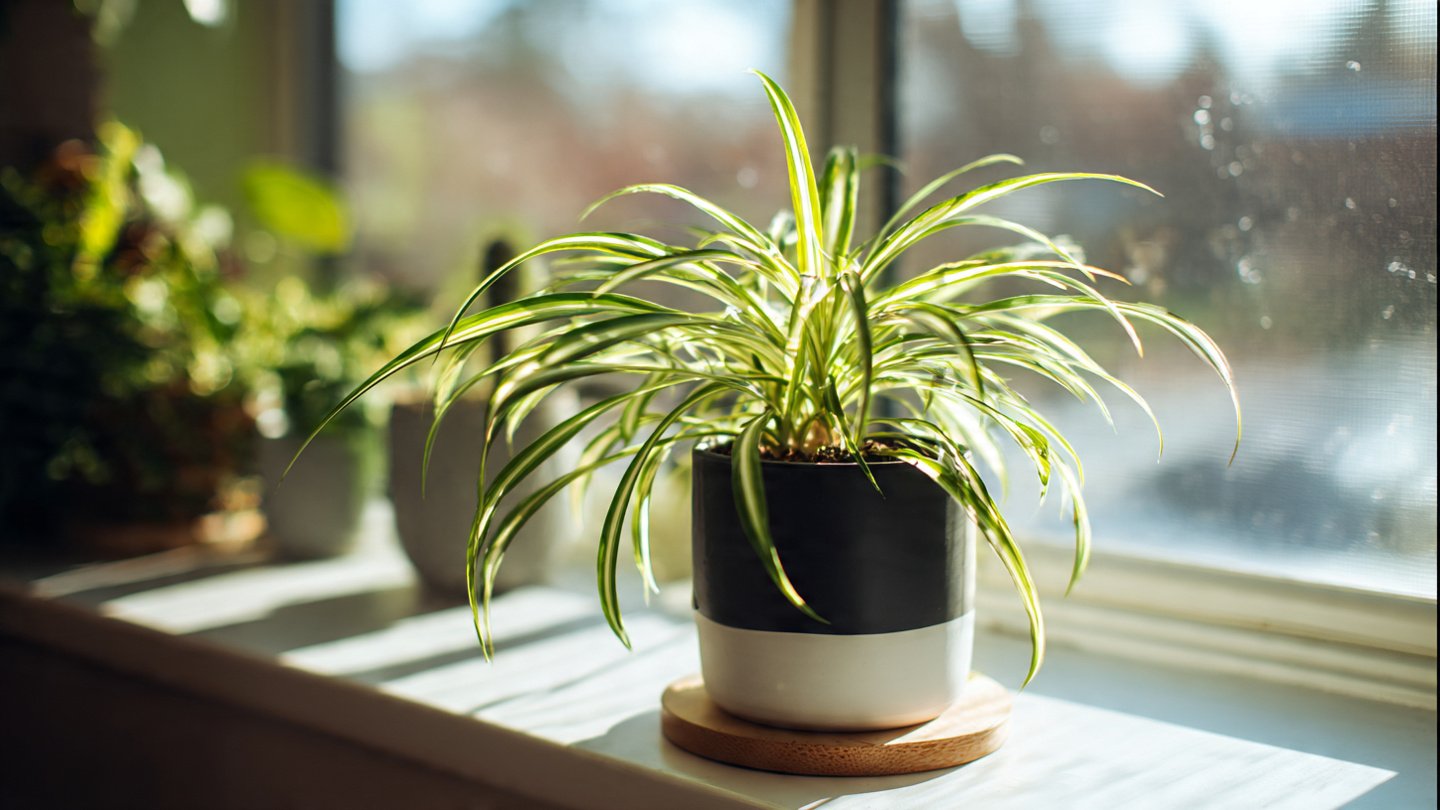
Spider plants (Chlorophytum comosum) are among the most popular houseplants worldwide, celebrated for their air-purifying qualities, graceful arching leaves, and ability to produce charming “spiderettes.” They’re remarkably resilient and low-maintenance, making them ideal for beginners and experienced plant parents alike. However, the winter months can pose unique challenges for spider plants, including temperature stress, reduced light, and potential pest or root problems.
Maintaining a healthy spider plant during winter requires understanding its needs and implementing simple adjustments to watering, light, temperature, and overall care. This guide will take you step by step through everything you need to know to keep your spider plant thriving during the colder months and prevent common winter-related problems.
Step 1: Understanding Your Spider Plant’s Winter Needs
Spider plants are tropical in origin, meaning they prefer moderate temperatures, consistent moisture, and bright, indirect sunlight. During winter, their natural growth cycle slows down due to shorter daylight hours and cooler temperatures. Understanding these seasonal changes helps you adjust care appropriately:
- Reduced Growth: Expect slower growth; new leaves may appear more gradually.
- Dormancy-Like Phase: While not true dormancy, spider plants conserve energy during winter, requiring less water and fertilizer.
- Sensitivity to Cold: Leaves can brown or yellow if exposed to cold drafts or temperatures below 50°F (10°C).
Recognizing these natural adjustments ensures you don’t overcare or undercare your plant.
Step 2: Adjusting Watering Habits
Watering is the most common winter care mistake for spider plants. Overwatering can easily lead to root rot, while underwatering can cause leaf tip browning. Tips for winter watering:
- Check Soil Moisture: Allow the top 1–2 inches of soil to dry out before watering again.
- Reduce Frequency: Water less often than in summer; typically every 2–3 weeks depending on indoor humidity and temperature.
- Avoid Standing Water: Ensure pots have proper drainage to prevent water accumulation at the bottom.
- Use Room Temperature Water: Cold water can shock roots, especially in cooler conditions.
Proper winter watering ensures roots remain healthy and free from fungal infections.
Step 3: Maintaining Proper Humidity
Spider plants thrive in moderate humidity, which can drop in heated homes during winter. Dry air can cause leaf tips to brown and reduce overall plant vigor. Ways to maintain humidity:
- Humidifier: Place a small humidifier nearby for consistent moisture.
- Pebble Tray: Position the pot on a shallow tray filled with water and pebbles; evaporation increases humidity around the plant.
- Group Plants Together: Placing spider plants near other plants creates a natural microclimate with higher humidity.
Maintaining humidity helps prevent stress, leaf browning, and pest infestations.
Step 4: Optimizing Light Conditions
Light availability is a significant factor in winter. Spider plants need bright, indirect light, but the angle and intensity of sunlight change during winter:
- Relocate Closer to Windows: Position your plant near east- or south-facing windows for maximum sunlight.
- Avoid Direct Sunlight: Winter sunlight can still scorch leaves through glass.
- Supplement with Artificial Light: If natural light is limited, consider LED grow lights for 6–8 hours daily.
- Rotate Regularly: Turn the plant every week to ensure even growth on all sides.
Providing adequate light supports continued photosynthesis, healthy leaves, and robust growth, even in short winter days.
Step 5: Controlling Temperature
Spider plants prefer temperatures between 55–80°F (13–27°C). Winter-specific temperature tips include:
- Avoid Cold Drafts: Keep plants away from windows, doors, and heating vents that can cause sudden temperature fluctuations.
- Keep Away from Radiators: Heat can dry out leaves quickly and damage roots.
- Maintain Consistency: Drastic temperature changes can stress the plant, causing yellow leaves or stunted growth.
Consistent, moderate temperature is crucial for root and leaf health during the colder months.
Step 6: Fertilizing Wisely
During winter, spider plants’ growth slows, so fertilization should be adjusted to avoid overfeeding:
- Reduce Frequency: Fertilize once every 6–8 weeks instead of weekly.
- Use Diluted Fertilizer: Apply half-strength liquid houseplant fertilizer to avoid salt buildup in soil.
- Pause Fertilization: Some gardeners prefer to stop fertilizing entirely during winter, resuming in early spring when growth picks up.
Appropriate winter fertilization prevents leaf burn, nutrient overload, and stress, keeping your plant balanced and healthy.
Step 7: Repotting Considerations
Winter is generally not ideal for repotting, as the plant is in a slower growth phase. Repotting during dormancy can shock the roots. Guidelines include:
- Wait Until Spring: Repot during active growth in spring or summer.
- Check Roots Occasionally: If the plant is root-bound or soil is degraded, consider careful repotting, ensuring minimal disruption.
- Avoid Fertilizing Immediately After Repotting: Let the plant adjust for 2–3 weeks before applying fertilizer.
Proper timing prevents transplant shock and ensures strong post-winter growth.
Step 8: Pruning and Removing Dead Leaves
Pruning during winter helps conserve the plant’s energy and prevents potential problems:
- Remove Yellow or Brown Leaves: This prevents pests and fungi from settling on dead tissue.
- Trim Long Spiderettes Sparingly: While baby plantlets are charming, leaving them in winter can drain resources from the main plant.
- Avoid Heavy Pruning: Drastic pruning can stress the plant during low-growth periods.
Regular, careful pruning keeps your spider plant tidy and healthy without causing unnecessary stress.
Step 9: Monitoring for Pests
Even indoor plants can attract pests in winter, especially with dry, heated environments:
- Common Pests: Aphids, spider mites, and mealybugs can infest spider plants.
- Detection: Look for sticky residue, fine webbing, or discolored spots on leaves.
- Treatment: Wipe leaves with a mild soapy water solution or use neem oil for more persistent infestations.
- Prevention: Keep leaves clean and maintain moderate humidity.
Early pest detection prevents long-term damage and keeps your plant thriving.
Step 10: Managing Common Winter Problems
Some issues are more likely in winter due to environmental stress:
- Brown Leaf Tips: Often caused by dry air or over-fertilization. Trim tips and adjust humidity or fertilizer concentration.
- Yellowing Leaves: Could be due to overwatering or low light; reduce watering and move plant closer to light.
- Leaf Curling: Usually a result of cold drafts or low humidity; relocate and maintain consistent temperature.
Addressing problems early prevents persistent stress and maintains plant vitality.
Step 11: Water Quality Considerations
Water quality can affect spider plants, especially in winter:
- Avoid Hard Water: High mineral content can cause tip burn and salt buildup.
- Use Filtered or Rainwater: Reduces chemical exposure and improves overall health.
- Check pH: Spider plants prefer slightly acidic to neutral soil (pH 6.0–7.0).
Clean water supports root health and prevents chemical stress during the slower growth season.
Step 12: Encouraging Growth During Winter
While growth naturally slows, you can still encourage vitality:
- Supplemental Light: As noted, LED grow lights can maintain photosynthesis.
- Rotate Regularly: Ensures balanced leaf growth.
- Maintain Proper Care: Consistent watering, humidity, and temperature help the plant retain energy for spring growth.
Even in low-growth periods, attentive care helps spider plants emerge strong and healthy when warmer weather returns.
Step 13: Preparing for Spring
Winter care sets the stage for a vibrant spring:
- Inspect Roots: Check for signs of rot or overcrowding as growth resumes.
- Clean Leaves: Remove dust and debris to maximize photosynthesis.
- Gradually Resume Fertilization: Begin weekly or biweekly feeding as daylight increases.
- Repot if Needed: If the plant is root-bound, this is the best time for repotting.
Proper winter maintenance ensures robust growth, abundant spiderettes, and long-lasting beauty in spring.
Conclusion
Spider plants are hardy, forgiving, and beautiful, but winter presents specific challenges that require careful attention to water, light, temperature, and humidity. By understanding seasonal needs, adjusting watering habits, maintaining consistent conditions, and preventing common problems such as pests, brown tips, and root rot, you can keep your spider plant healthy and thriving all winter long.
With simple adjustments, your spider plant can continue to purify your indoor air, maintain vibrant green leaves, and produce charming spiderettes, ready to flourish when spring arrives. The key is gentle, attentive care and proactive prevention, ensuring that even during the cold months, your plant remains a striking and resilient centerpiece in your home.