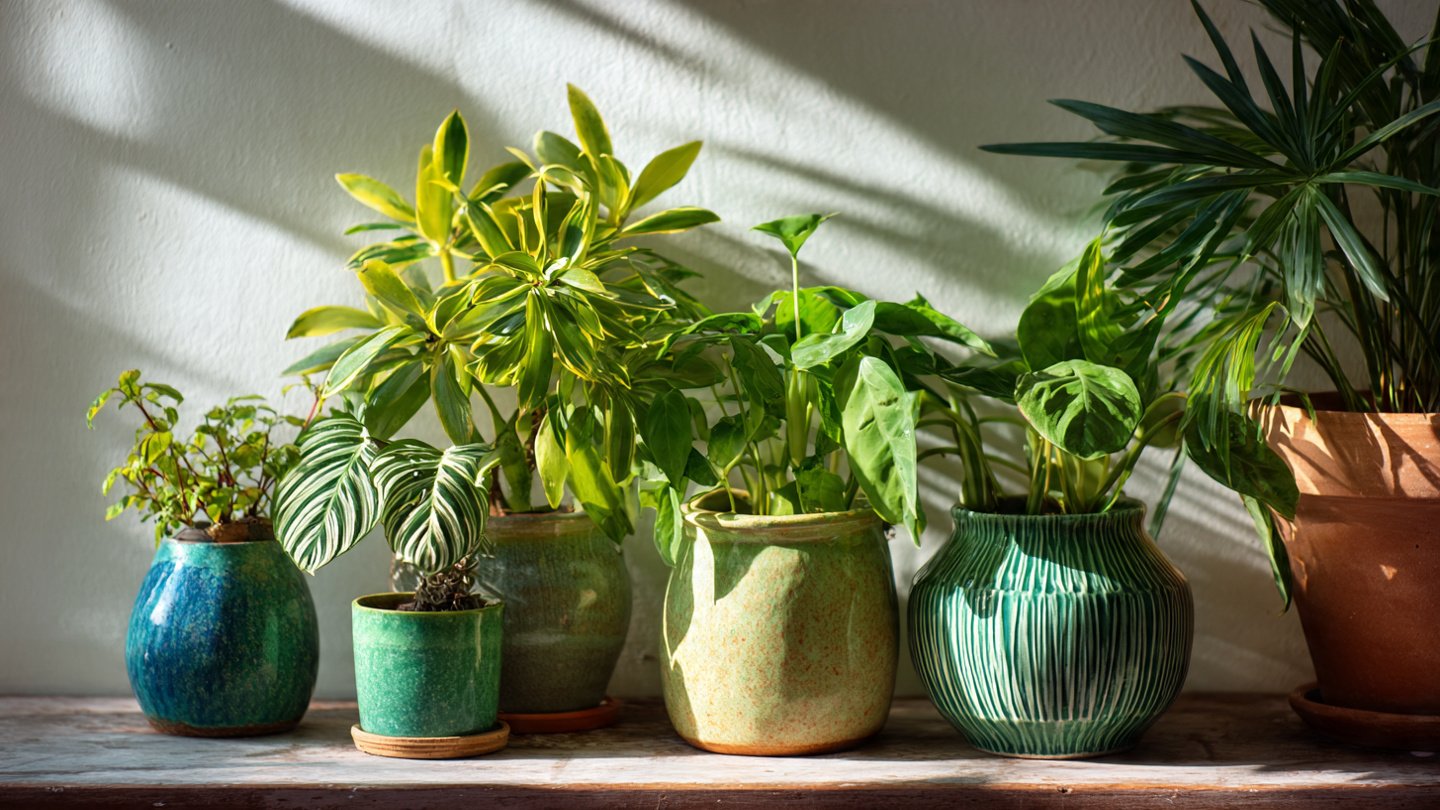
Houseplants bring life, color, and fresh air to our homes. However, busy schedules, travel, or simple forgetfulness can result in plants going days—or even weeks—without water. When you finally notice wilted leaves, drooping stems, or dry soil, panic can set in. But don’t worry: with the right knowledge and care, most houseplants can bounce back from temporary neglect. In this guide, we’ll explore how to revive houseplants after forgetting to water them, with expert tips for recovery, prevention, and long-term health.
Signs Your Houseplant Needs Immediate Attention
The first step in reviving a neglected houseplant is recognizing the signs of drought stress. Some common indicators include:
- Wilting or drooping leaves – Leaves that hang limply or curl are often a result of dehydration.
- Dry, compacted soil – Soil pulling away from the pot’s edges or cracking is a warning sign.
- Brown leaf tips or edges – Lack of water can cause leaf tips to dry out and turn brown.
- Slow growth or leaf drop – Prolonged water stress can cause plants to conserve energy by shedding leaves.
- Stunted roots – In severe cases, roots can shrink and become brittle due to extended dryness.
Different plants may show stress in unique ways. For instance, succulents store water in their leaves and may appear plump but develop shriveled leaves when underwatered. Recognizing these signs early allows you to intervene before the damage becomes permanent.
Step 1: Assess the Situation
Before rushing to water, take a moment to assess the plant’s overall condition:
- Check soil moisture: Insert your finger 1–2 inches into the soil. If it feels dry at this depth, the plant is ready for rehydration.
- Inspect roots (if possible): Gently remove the plant from its pot to see if the roots are dry or brittle. Healthy roots should be firm and white or light-colored.
- Examine leaves: Identify which leaves are salvageable and which are too damaged to recover. Brown, crispy leaves often cannot be restored, but yellowing or drooping leaves may bounce back.
This careful evaluation helps you choose the most effective revival method without overcompensating or causing shock.
Step 2: Gradual Rehydration
A common mistake when reviving a dry houseplant is to water it excessively all at once. Sudden, heavy watering can cause root rot or shock. Instead, follow a gradual rehydration strategy:
- Soak the soil: Place the plant in a sink or bathtub and allow water to slowly saturate the soil from the top. Let it drain naturally for about 15–20 minutes.
- Bottom watering: For particularly dry or compacted soil, fill a tray with water and place the pot in it. Allow the plant to absorb water through the drainage holes for 30–60 minutes. Remove it once the topsoil feels moist.
- Repeat as needed: Depending on how dehydrated the plant is, you may need to repeat this process daily for a few days. Avoid leaving the soil waterlogged.
Gradual hydration ensures the roots can absorb water without being overwhelmed, increasing the chances of a full recovery.
Step 3: Pruning Damaged Leaves
Pruning is essential for redirecting energy from damaged leaves to healthy growth:
- Remove crispy or brown leaves: These leaves cannot recover and may harbor pests or disease.
- Trim yellow or drooping leaves cautiously: Only remove leaves that are fully beyond recovery; partially yellow leaves may regain vitality once the plant is rehydrated.
- Use clean tools: Sterilize scissors or pruning shears with rubbing alcohol to prevent introducing pathogens.
Pruning not only improves the plant’s appearance but also helps it focus energy on new, healthy growth rather than sustaining irreparable leaves.
Step 4: Adjust Light and Environment
Environmental factors can affect recovery after dehydration. Make sure your plant is in an optimal setting:
- Indirect sunlight: Avoid direct, harsh sunlight on stressed plants. Too much light can increase water loss and stress. Place the plant in bright, indirect light until it recovers.
- Humidity: Increase humidity around the plant by misting, grouping plants together, or placing a humidity tray nearby. Many houseplants thrive in higher humidity, which aids recovery.
- Temperature: Keep the plant in a stable environment, avoiding cold drafts or extreme heat. Sudden temperature changes can stress the plant further.
Creating a stable, nurturing environment gives your plant the best chance to bounce back quickly.
Step 5: Replenish Nutrients Carefully
While water is the most critical factor for recovery, mild fertilization can support regrowth once the plant shows signs of revival:
- Wait for new growth: Avoid fertilizing immediately after a severe drought. Wait until the plant has absorbed water and shows signs of recovery, such as firm stems or new leaves.
- Use diluted fertilizer: Apply a weak solution of balanced liquid fertilizer (about 25–50% of the recommended strength) to avoid overwhelming stressed roots.
- Gradually increase strength: Over the next few weeks, slowly return to normal feeding routines.
Balanced nutrients support recovery without adding stress to weakened plants.
Step 6: Repot if Necessary
Severely dehydrated plants may have compacted soil or damaged roots that impede recovery. Repotting can give them a fresh start:
- Choose fresh potting mix: Use well-draining soil suitable for the specific plant type.
- Inspect roots: Trim any brown, mushy, or rotten roots. Healthy roots are firm and white.
- Select a slightly larger pot: Give roots space to expand but avoid oversized containers, which can retain excess moisture.
Repotting is particularly useful for plants that have been neglected for weeks and need a complete reset.
Step 7: Monitor Progress and Be Patient
Recovery from dehydration takes time, and it’s important to be patient:
- Watch for new growth: Leaf turgidity, new shoots, or vibrant color indicate recovery.
- Avoid overwatering: It’s tempting to keep watering daily, but let the soil dry slightly between sessions.
- Track changes: Keep notes on watering frequency, light conditions, and growth patterns to adjust care accordingly.
Most houseplants begin showing improvement within a week to two, though some may take longer depending on severity and plant type.
Preventing Future Dehydration
Once your plants recover, implement strategies to prevent future neglect:
- Create a watering schedule: Set reminders on your phone or calendar.
- Use self-watering pots: These provide consistent moisture, ideal for forgetful plant owners.
- Group plants by water needs: Keep plants with similar hydration requirements together.
- Check soil regularly: Stick your finger into the soil or use a moisture meter to gauge when watering is needed.
- Mulch or top-dress: A thin layer of organic mulch can slow evaporation and maintain soil moisture.
Preventative care ensures your plants remain healthy, vibrant, and resilient.
Special Considerations for Different Houseplants
Different houseplants recover differently after dehydration:
- Succulents and cacti: Can survive longer without water but may show wrinkled leaves. Soak soil thoroughly but allow it to dry completely afterward.
- Tropical plants (e.g., Monstera, Philodendron): Require gradual rehydration and indirect light.
- Ferns: Sensitive to low humidity; misting and humidity trays help revival.
- Flowering plants: May drop blooms temporarily but will recover with proper watering and care.
Understanding your plant’s unique needs ensures the revival process is tailored and effective.
Conclusion
Forgetting to water houseplants happens to even the most dedicated gardeners. The good news is that most plants are resilient and can recover with careful attention, patience, and the right techniques. Start by assessing the plant’s condition, then gradually rehydrate, prune damaged leaves, adjust environmental conditions, and provide mild fertilization if appropriate. Monitor progress, repot if necessary, and implement preventative strategies to avoid future neglect.
Reviving houseplants is not just about saving a plant—it’s about learning to tune in to its needs and creating a care routine that supports long-term growth. With these expert tips, your wilted, thirsty plants can regain their vigor, vibrant foliage, and vitality, turning your indoor garden into a thriving, lush space once again.
After learning these techniques, it’s amazing how resilient houseplants can be—so much so that you might wonder why you ever panicked in the first place. By following these steps, your plants will bounce back, and you’ll feel empowered knowing that neglect is not the end, just a temporary setback on the path to a healthy, thriving home garden.