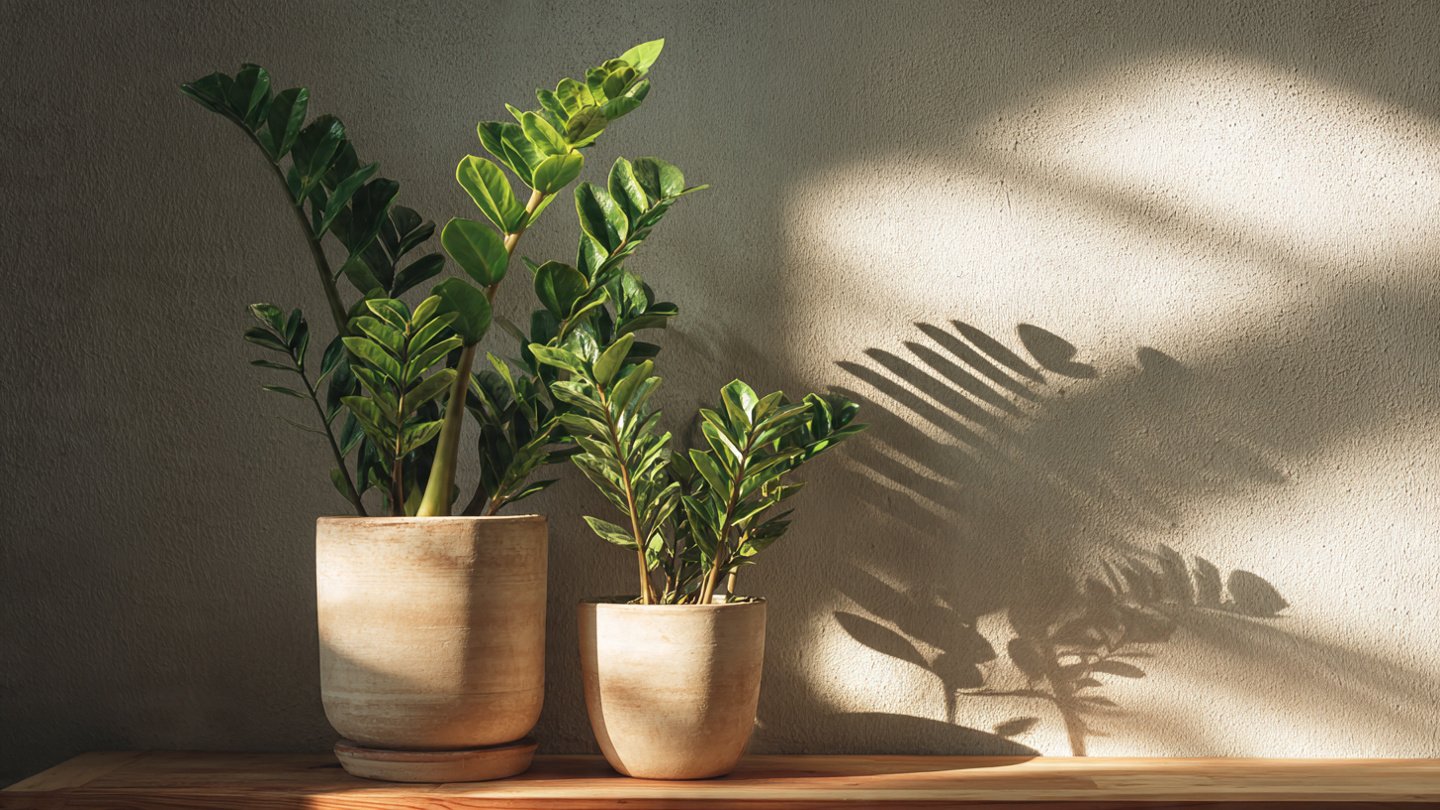
The ZZ plant (Zamioculcas zamiifolia) has become a favorite among indoor plant enthusiasts for its striking glossy leaves, ease of care, and ability to thrive in low-light conditions. Often described as nearly indestructible, this resilient plant is perfect for both beginners and experienced plant owners. Despite its hardiness, understanding the proper care techniques can help your ZZ plant flourish, producing lush green foliage that brightens any room. This comprehensive guide will cover everything from light and water requirements to soil, propagation, pests, and troubleshooting, ensuring your ZZ plant thrives indoors.
Why the ZZ Plant is So Popular
The ZZ plant has gained popularity for several reasons:
- Low Maintenance: It can survive with minimal attention, making it ideal for busy individuals or those new to indoor gardening.
- Adaptability: ZZ plants tolerate low light, irregular watering, and a range of temperatures.
- Air Purifying Qualities: Like many houseplants, ZZ plants can help improve indoor air quality.
- Aesthetic Appeal: Its dark green, waxy leaves and symmetrical growth make it a stylish addition to any interior décor.
These qualities make the ZZ plant not only a visually appealing choice but also a practical one for indoor spaces.
Choosing the Right ZZ Plant
When selecting a ZZ plant, consider the following factors:
- Size: ZZ plants are available in various sizes, from small tabletop varieties to larger floor-standing specimens. Choose one that fits your space and intended placement.
- Leaf Type: Standard ZZ plants have smooth, waxy leaves, while some cultivars, like the “Raven ZZ,” feature dark purple-black foliage.
- Health: Look for plants with firm, glossy leaves and no signs of yellowing, wilting, or pests. Healthy rhizomes (the plant’s thick underground stems) indicate strong growth potential.
Choosing a healthy plant from the start ensures a strong foundation for growth.
Ideal Light Conditions
While ZZ plants are famously tolerant of low light, proper lighting can enhance growth:
- Low Light: ZZ plants thrive in low to moderate indirect light, making them suitable for offices or rooms without windows.
- Bright Indirect Light: For faster growth and healthier leaves, place your plant near a window with filtered sunlight. Avoid direct sunlight, as it can scorch the leaves.
- Artificial Light: ZZ plants can survive under fluorescent or LED lights, making them excellent for indoor spaces without natural light.
Understanding your plant’s light needs helps maintain healthy foliage and vibrant color.
Watering Your ZZ Plant
ZZ plants store water in their rhizomes, which means they are highly drought-tolerant. Overwatering is one of the most common mistakes:
- Frequency: Water the plant only when the top 1–2 inches of soil are dry. In low-light conditions, watering once a month may be sufficient.
- Method: Water thoroughly until water drains from the bottom of the pot, then empty excess water from the saucer.
- Signs of Overwatering: Yellowing leaves, mushy stems, or a foul odor in the soil indicate root rot. Reduce watering and consider repotting if necessary.
Proper watering ensures the ZZ plant remains healthy without suffering from root-related issues.
Soil Requirements
The right soil helps ZZ plants maintain optimal drainage and avoid root rot:
- Well-Draining Mix: Use a soil mix designed for succulents or cacti, which allows excess water to drain easily.
- Organic Matter: A small amount of compost or peat moss can improve nutrient content without retaining too much moisture.
- Pot Selection: Choose a container with drainage holes to prevent water from pooling at the bottom. Avoid overly large pots, as excess soil can retain water and lead to root problems.
Well-draining soil is critical for maintaining the plant’s health and encouraging steady growth.
Fertilizing Your ZZ Plant
ZZ plants are slow growers, so they require minimal fertilization:
- Frequency: Fertilize 2–3 times during the growing season (spring and summer). Avoid fertilizing during the dormant period in fall and winter.
- Type of Fertilizer: Use a balanced, water-soluble fertilizer diluted to half strength. Over-fertilizing can damage the roots and leaves.
- Application: Apply fertilizer directly to the soil after watering to avoid burning the roots.
Moderate fertilization supports healthy leaf growth without overwhelming the plant.
Humidity and Temperature
ZZ plants are adaptable to various indoor environments:
- Temperature: They thrive in temperatures between 65°F–75°F (18°C–24°C) and can tolerate slightly cooler conditions but should be kept away from frost.
- Humidity: Average household humidity is sufficient. ZZ plants do not require high humidity but will benefit from occasional misting in very dry environments.
- Placement: Avoid placing the plant near heaters or air conditioners that create temperature fluctuations.
Maintaining stable indoor conditions helps the ZZ plant grow steadily without stress.
Pruning and Maintenance
Routine maintenance keeps your ZZ plant looking neat and encourages healthy growth:
- Pruning: Remove yellow, damaged, or dead leaves by cutting them at the base. This prevents disease and keeps the plant attractive.
- Cleaning: Wipe the leaves with a damp cloth to remove dust, which helps the plant photosynthesize efficiently.
- Repotting: ZZ plants grow slowly and generally need repotting every 2–3 years. Repotting allows you to refresh soil and provide more space for the rhizomes.
Regular maintenance keeps your plant vibrant and prevents common problems.
Propagating ZZ Plants
One of the appealing features of ZZ plants is their ease of propagation:
- Leaf Cuttings: Cut a healthy leaf, place it in water or soil, and wait for roots and new shoots to develop. This method may take several weeks to months.
- Division: During repotting, divide the rhizomes carefully, ensuring each section has at least one healthy stem and root system.
- Patience: ZZ plants grow slowly, so propagation requires time and consistent care.
Propagation is a cost-effective way to expand your plant collection or share ZZ plants with friends.
Pests and Common Problems
While ZZ plants are hardy, they can occasionally face minor issues:
- Pests: Spider mites, mealybugs, and scale insects can appear, especially in dry indoor conditions. Treat infestations with insecticidal soap or neem oil.
- Yellowing Leaves: Often caused by overwatering or poor drainage. Adjust watering habits and check the potting soil.
- Leggy Growth: Insufficient light can cause stems to stretch. Move the plant to a brighter location with indirect sunlight.
By monitoring your ZZ plant regularly, you can address issues before they affect overall health.
Toxicity Considerations
ZZ plants contain calcium oxalate crystals, which are mildly toxic if ingested:
- Pets and Children: Keep plants out of reach of pets and small children to prevent accidental ingestion.
- Handling: Wear gloves when pruning or propagating to avoid skin irritation.
- First Aid: If ingested, rinse the mouth and contact a healthcare professional or veterinarian for guidance.
Understanding the plant’s toxicity helps ensure a safe indoor environment.
Tips for Helping Your ZZ Plant Thrive
- Rotate the Plant: Turn the pot occasionally to ensure even light exposure for all leaves.
- Avoid Overwatering: The most common cause of ZZ plant decline is excessive watering. Less is often more.
- Monitor Light: Even though ZZ plants tolerate low light, providing bright indirect light enhances growth and leaf color.
- Regular Inspection: Check for pests and leaf discoloration weekly to catch problems early.
- Be Patient: ZZ plants grow slowly, so focus on consistent care rather than rapid results.
These tips help your ZZ plant remain healthy, lush, and a focal point of your indoor garden.
Conclusion
The ZZ plant is a versatile, resilient, and visually appealing houseplant, perfect for anyone seeking greenery without high maintenance demands. By providing the right light, watering sparingly, using well-draining soil, and occasionally fertilizing, your ZZ plant can thrive indoors for years. Proper pruning, cleaning, and pest management will keep it healthy, while propagation allows you to expand your indoor garden effortlessly. With patience and attention to its basic needs, the ZZ plant will reward you with glossy, vibrant foliage, making it an enduring favorite in homes, offices, and any indoor space.