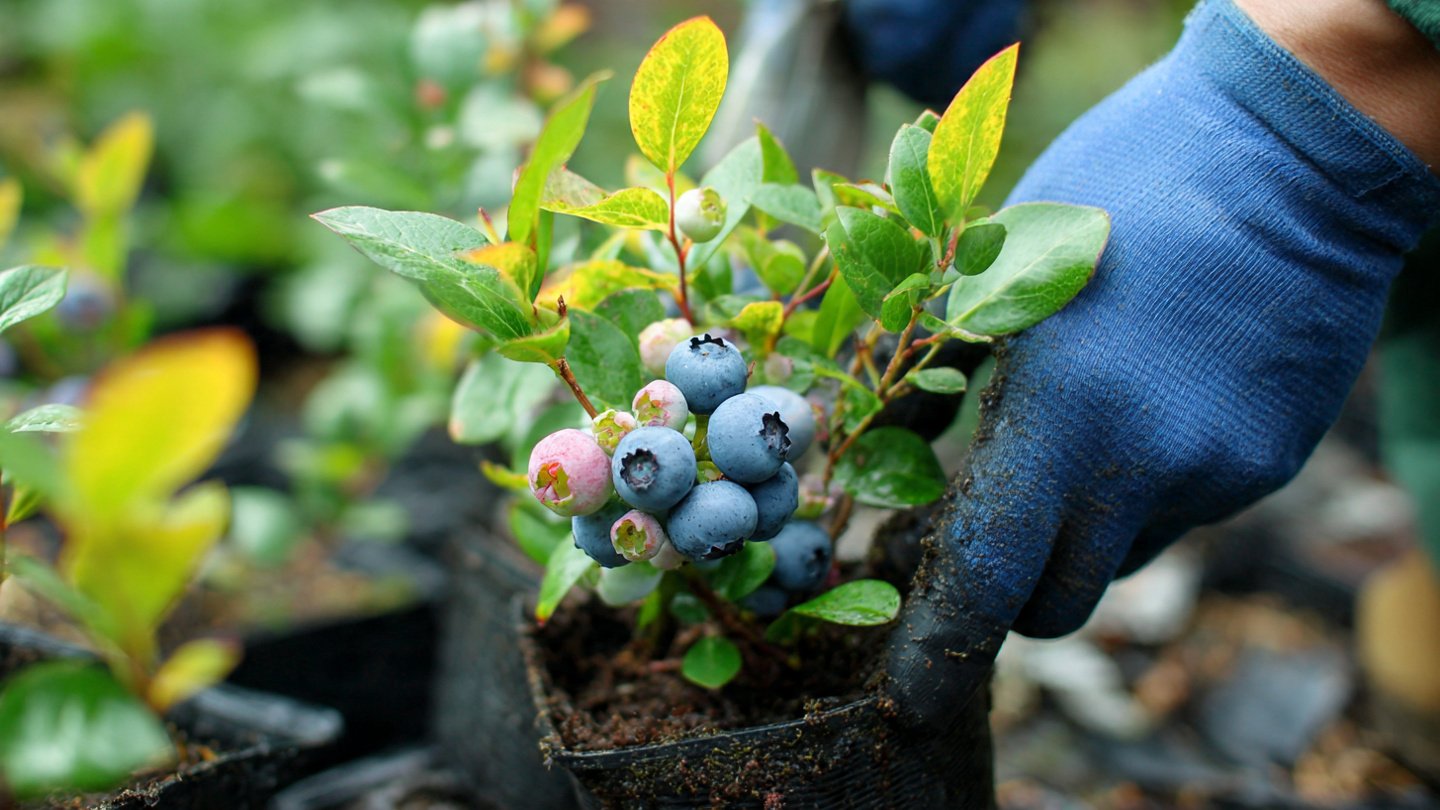
Few things are as rewarding as growing your own berries. Sweet, juicy, and packed with nutrients, berries like raspberries, blackberries, and currants can transform a garden into a haven for fresh, healthy fruit. While buying young plants from nurseries is common, many gardeners don’t realize how easy it is to propagate berry bushes from cuttings. Starting berries from cuttings is cost-effective, surprisingly simple, and allows you to multiply your favorite varieties year after year. In this article, I’ll walk you through the process step by step, sharing tips and techniques that have helped me grow healthy berry bushes from scratch.
Why Propagate Berries from Cuttings?
Propagating berries from cuttings offers several advantages:
- Cost Savings: Instead of buying multiple plants, a single healthy bush can provide dozens of cuttings.
- Variety Preservation: If you have a berry variety you particularly love, cuttings ensure the new plants are genetically identical.
- Control Over Quality: You can select strong, disease-free parent plants, giving your new bushes a head start.
- Satisfaction and Skill Building: Starting plants from cuttings is immensely rewarding and helps develop gardening skills that extend to other shrubs and perennials.
Whether you have limited garden space or simply enjoy the process of growing plants from scratch, cuttings are a great option for berry lovers.
Best Time to Take Berry Cuttings
Timing is important for success. The best time depends on the type of berry and the type of cutting you plan to take:
- Softwood Cuttings: Taken from new, flexible growth in late spring or early summer. Softwood cuttings root quickly but require a little more attention.
- Semi-Hardwood Cuttings: Taken from partially mature stems in mid to late summer. These cuttings are firm but not fully woody and tend to have a high success rate.
- Hardwood Cuttings: Taken from mature, dormant stems in late fall or winter. Hardwood cuttings are hardy and easy to store before planting in spring.
For beginners, semi-hardwood cuttings are often the most reliable and forgiving.
Selecting the Right Parent Plant
Success starts with choosing a healthy, vigorous parent plant. Look for bushes that are:
- Free from disease or pest damage
- Producing abundant fruit
- Well-established, at least 1–2 years old
Avoid taking cuttings from weak, spindly, or stressed plants, as these are less likely to root successfully. For raspberries and blackberries, select new canes from the current season’s growth for softwood and semi-hardwood cuttings, and older canes for hardwood cuttings.
Tools and Materials You’ll Need
Before you start, gather a few basic tools and materials:
- Sharp pruning shears or scissors
- Clean containers or pots
- Well-draining potting mix (equal parts peat moss, perlite, and garden soil works well)
- Rooting hormone powder or gel (optional but increases success rate)
- Plastic bags or a propagation dome to maintain humidity
- Labels to keep track of varieties
Clean, sharp tools are essential to prevent crushing the stems and introducing disease.
Step-by-Step Guide to Taking Berry Cuttings
Here’s a simple process that works for most common berry bushes:
Step 1: Choose and Cut the Stem
- Select a healthy cane or stem from the parent plant.
- For softwood or semi-hardwood cuttings, cut 4–6 inches of the stem, making the cut just below a leaf node (the point where leaves emerge).
- Remove any flowers or fruit from the cutting to allow the plant to focus energy on root development.
Step 2: Prepare the Cutting
- Remove the lower leaves, leaving 2–3 at the top.
- If the top leaves are large, trim them in half to reduce water loss.
- Dip the cut end into rooting hormone, tapping off excess. While not strictly necessary, rooting hormone significantly improves success rates.
Step 3: Plant the Cutting
- Fill a clean pot with well-draining potting mix.
- Make a small hole with a pencil or stick, then insert the cutting 2–3 inches deep.
- Firm the soil around the base to eliminate air pockets.
Step 4: Create a Humid Environment
- Cover the pot with a clear plastic bag or place it under a propagation dome to retain moisture.
- Ensure the plastic does not touch the leaves; use sticks or stakes to hold it away if necessary.
- Place the pot in bright, indirect light. Avoid direct sunlight, which can scorch the cutting.
Step 5: Care During Rooting
- Keep the soil consistently moist but not waterlogged.
- Open the plastic occasionally to allow air circulation and prevent mold.
- Rooting time varies: softwood cuttings usually root in 2–4 weeks, while semi-hardwood cuttings may take 4–6 weeks, and hardwood cuttings may take several months.
Transplanting Rooted Cuttings
Once roots have developed, it’s time to transplant your new berry bush:
- Gently remove the cutting from the pot, being careful not to damage the delicate roots.
- Harden off the plant by gradually exposing it to outdoor conditions over 1–2 weeks. This reduces transplant shock.
- Plant in well-draining soil in a sunny location, spacing bushes according to the type:
- Raspberries and blackberries: 2–3 feet apart in rows, 6–8 feet between rows
- Currants and gooseberries: 3–4 feet apart
- Water thoroughly and mulch around the base to retain moisture and suppress weeds.
With proper care, your new berry bushes will begin producing fruit within 1–2 years, depending on the variety.
Common Challenges and How to Overcome Them
Even experienced gardeners encounter challenges with berry cuttings. Here’s how to address common issues:
- Cuttings Wilting or Turning Brown: Usually caused by too much sun or underwatering. Move to a shadier spot and ensure consistent moisture.
- Mold or Rot: Excess humidity or poor air circulation can cause fungal problems. Open the plastic cover occasionally and ensure the pot drains well.
- No Root Development: This can occur if the cutting is too old, too young, or lacks rooting hormone. Try again with a fresh, semi-hardwood cutting and consider using rooting hormone.
Patience is key. Not every cutting will succeed, but with a few attempts, most gardeners can achieve a high success rate.
Tips for Long-Term Success
- Label Everything: Keep track of varieties and dates to monitor progress and select the best-performing plants.
- Rotate Parent Plants: Avoid taking cuttings from the same cane repeatedly to prevent weakening the parent plant.
- Regular Pruning: Once established, prune berry bushes annually to maintain healthy growth and improve fruiting.
- Fertilize Wisely: Apply balanced fertilizer in spring and compost annually to provide essential nutrients for strong growth.
- Protect Young Plants: Shield them from extreme heat or frost during their first season.
By following these tips, you can build a productive berry patch from just a few parent plants, gradually expanding your garden without purchasing new plants each year.
Why This Method Works
The beauty of starting berry bushes from cuttings lies in its simplicity and reliability. By taking advantage of a plant’s natural ability to grow roots from stems, gardeners can multiply their favorite varieties efficiently. It’s an approach used by both backyard gardeners and professional growers, demonstrating that you don’t need expensive equipment or fancy greenhouses to propagate plants successfully.
Conclusion
Starting berry bushes from cuttings is easier than most people realize. With careful selection of parent plants, proper timing, and a bit of attention to soil, humidity, and light, anyone can propagate berries at home. The process is cost-effective, environmentally friendly, and incredibly satisfying.
Once rooted, your new bushes will reward you with delicious, nutritious berries for years to come. Beyond the immediate benefits, propagating from cuttings allows you to preserve favorite varieties, develop your gardening skills, and gradually create a thriving garden that produces more food than you ever thought possible.
If you’re looking to expand your garden, save money, or simply enjoy the satisfaction of growing plants from scratch, starting berry bushes from cuttings is the perfect place to begin. It’s approachable, fun, and incredibly rewarding—a true testament to the joys of home gardening.