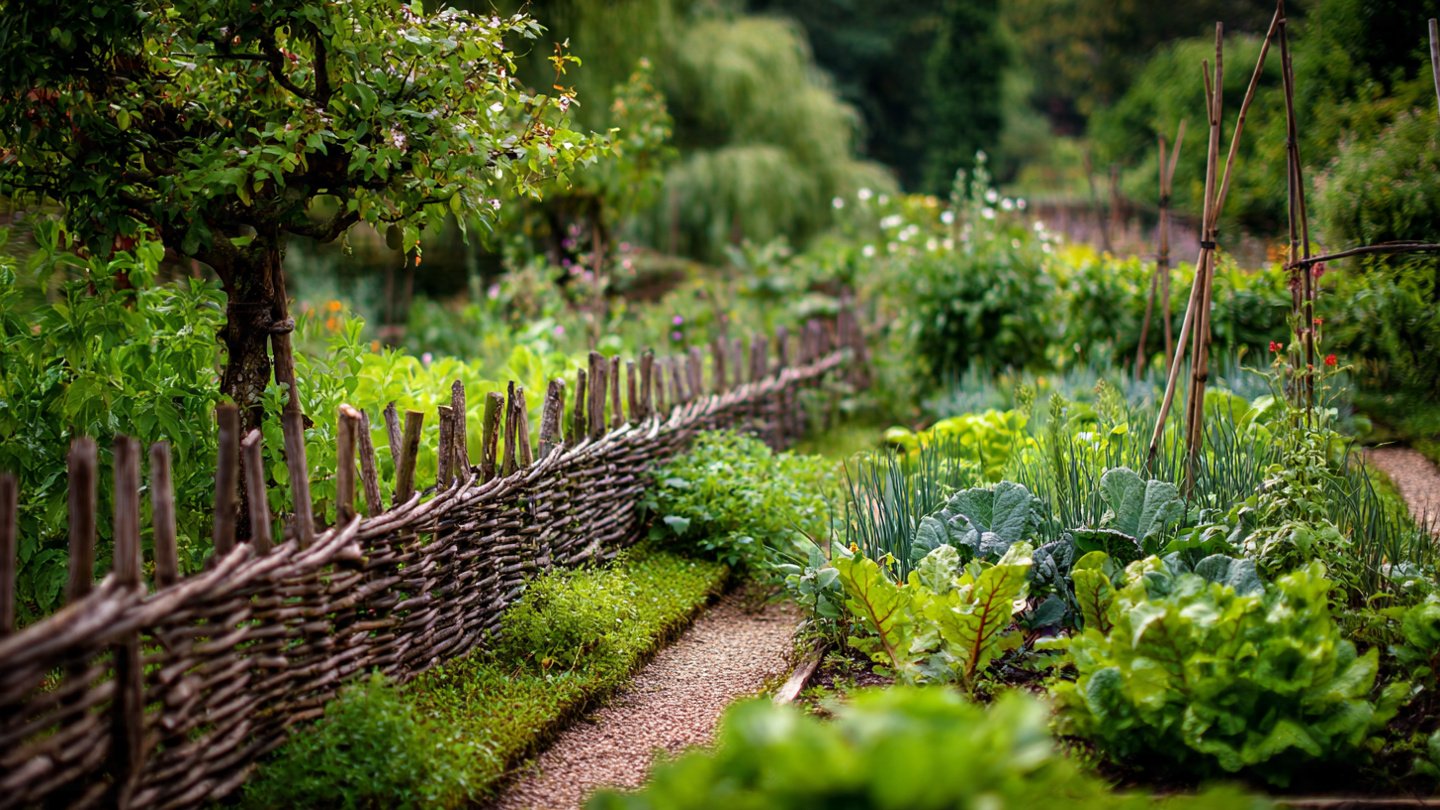
Vegetable gardening is often associated with annual plants—those that sprout, grow, and die in a single season. But a growing number of gardeners are discovering the many benefits of perennial vegetables, which return year after year, reducing labor, increasing resilience, and offering a unique link to the past. One perennial vegetable, with roots dating back to medieval Europe, exemplifies these benefits and is gaining attention among modern gardeners.
In this article, we’ll explore why planting perennial vegetables is a smart choice, highlight the advantages of these enduring crops, and introduce you to a remarkable medieval perennial veggie that may surprise you.
What Are Perennial Vegetables?
Unlike annual vegetables, which must be replanted every year, perennial vegetables live for multiple years. They typically have robust root systems that allow them to survive winter, drought, and other stresses. Some common examples include:
- Asparagus: Produces spears for decades with proper care
- Rhubarb: Thrives in cold climates and grows back each spring
- Perennial kale and chard varieties: Can be harvested over several seasons
- Walking onions (Egyptian onions): Regrow from bulb clusters year after year
Perennials often have slower initial establishment but reward gardeners with reduced maintenance and consistent harvests in subsequent years.
Advantages of Growing Perennial Vegetables
1. Labor and Time Savings
Once established, perennial vegetables require less planting effort each year. You avoid the seasonal tasks of soil preparation, sowing, and transplanting, which saves time and reduces the strain on your garden.
2. Soil Health Improvement
Perennial vegetables maintain continuous root systems, which:
- Stabilize soil and prevent erosion
- Promote beneficial microbial activity
- Improve water retention
- Reduce the need for frequent fertilization
This makes them especially valuable in low-maintenance and sustainable gardens.
3. Resilience to Pests and Weather
Perennials often develop stronger natural defenses against pests and diseases compared to annual crops. Their deep roots also make them more drought-resistant, enabling them to survive dry spells that would devastate annual vegetables.
4. Year-Round Food Production
Some perennial vegetables, especially leafy greens and root crops, can be harvested across multiple seasons, providing a consistent food supply. This is particularly useful in small gardens, permaculture systems, and food forests.
5. Biodiversity and Ecosystem Benefits
By planting perennials, you create habitats for pollinators, soil microbes, and beneficial insects, enhancing overall garden biodiversity and resilience.
A Medieval Perennial Vegetable You Should Know: Skirret
One fascinating medieval vegetable that fits perfectly into the perennial category is the skirret (Sium sisarum). Though largely forgotten today, skirret has a rich history in European gardens and kitchens.
What is Skirret?
- Skirret is a root vegetable with sweet, carrot-like roots.
- It was popular in medieval England and continental Europe, often appearing in market gardens and feast tables.
- Unlike carrots or parsnips, skirret grows back year after year, making it a true perennial in temperate climates.
Why Skirret is Worth Planting Today
- Unique Taste: Its roots have a sweet, nutty flavor that blends well in soups, stews, and roasted vegetable dishes.
- Hardiness: Skirret tolerates cold winters and mild drought, returning reliably each season.
- Low Maintenance: Once established, it requires minimal care—just occasional weeding and harvesting.
- Historical Charm: Growing skirret connects gardeners with medieval culinary traditions, adding an interesting story to your garden.
Growing Skirret
- Soil: Prefers well-draining, fertile soil. Adding compost at planting helps develop long, smooth roots.
- Planting: Sow crown pieces or roots in early spring. Skirret forms clusters of roots that can be harvested gradually.
- Sunlight: Thrives in full sun to partial shade.
- Spacing: Leave 12–18 inches between plants to accommodate root growth.
- Harvesting: Roots are ready to harvest in late fall or early winter. Dig carefully to avoid breaking the clusters.
Once established, skirret requires little intervention, making it a perfect perennial addition to modern vegetable gardens.
Other Perennial Vegetables to Consider
While skirret is a fascinating example, other perennial vegetables also deserve attention:
1. Asparagus
- Flavorful and versatile: Perfect for fresh spring harvests.
- Long-lived: Beds can produce for 15–20 years with proper care.
- Companion planting: Pair with tomatoes or basil to improve soil health and deter pests.
2. Rhubarb
- Edible stalks: Great for pies, jams, and desserts.
- Cold-hardy: Survives winter and emerges reliably in spring.
- Perennial benefits: Reduces soil disturbance and labor each season.
3. Perennial Kale or Chard
- Leafy greens year-round: Some varieties, like tree kale, can survive several seasons.
- Nutritional powerhouse: High in vitamins and minerals.
- Aesthetic appeal: Adds height and texture to garden beds.
4. Walking or Egyptian Onions
- Regrow from bulb clusters: Self-propagate annually.
- Attract pollinators: Their flowers bring bees and other beneficial insects.
- Culinary versatility: Both bulbs and greens are edible.
Designing Your Garden Around Perennials
To maximize the benefits of perennial vegetables:
1. Permanent Garden Beds
- Dedicate a bed or section for perennials to avoid disturbing them during seasonal planting.
- Raised beds can improve drainage and make harvesting easier.
2. Companion Planting
- Plant perennials alongside annuals that benefit from pollinators or shade.
- Skirret pairs well with rosemary, sage, or other culinary herbs, creating a mediterranean-inspired garden patch.
3. Crop Rotation and Soil Management
- Although perennials don’t require annual replanting, consider rotating other crops nearby to prevent soil depletion.
- Use mulch and compost to maintain fertility and moisture.
4. Pollinator-Friendly Features
- Include flowers or herbs that attract bees, butterflies, and hoverflies.
- Continuous blooms near your perennials enhance pollination, improving yield and plant health.
Challenges of Growing Perennial Vegetables
While perennial vegetables offer numerous benefits, there are a few challenges to consider:
- Initial establishment: Perennials often take a season or two to reach full productivity.
- Space requirements: Some perennials, like asparagus and skirret, need dedicated beds to avoid competition with other plants.
- Winter protection: In colder climates, mulching or covering may be necessary to protect roots.
- Pests and diseases: While perennials are generally hardy, monitoring for pests and crop rotation helps reduce problems.
Despite these challenges, the long-term benefits of perennials far outweigh the initial investment in time and effort.
Why Plant Medieval Vegetables Today?
Reviving historical vegetables like skirret offers more than novelty. Benefits include:
- Preserving agricultural heritage: Connects modern gardeners to centuries-old practices.
- Diversifying diets: Introduces flavors not commonly found in contemporary supermarkets.
- Resilient crops: Many medieval vegetables are naturally hardy and adaptable, perfect for sustainable gardening.
- Pollinator support: Flowering perennials feed pollinators across seasons.
Integrating these vegetables into your garden allows you to grow food with history, flavor, and ecological value.
Final Thoughts
Planting perennial vegetables is a smart, sustainable, and rewarding strategy for modern gardeners. From asparagus and rhubarb to perennial kale and the medieval skirret, these plants provide long-term yields, reduce labor, and enhance garden biodiversity. Skirret, in particular, is a fascinating example of how a centuries-old vegetable can thrive in contemporary gardens, offering sweet, flavorful roots and a connection to historical culinary traditions.
By incorporating perennial vegetables into your garden, you are investing in resilient crops, year-round harvests, and pollinator-friendly landscapes. Whether you’re a seasoned gardener or a beginner, the advantages of perennials—especially unique medieval varieties—make them a worthwhile addition to any sustainable vegetable garden.
Start with a few perennial plants this season, nurture them carefully, and watch as your garden blossoms, feeds, and delights year after year—just as gardeners did hundreds of years ago.