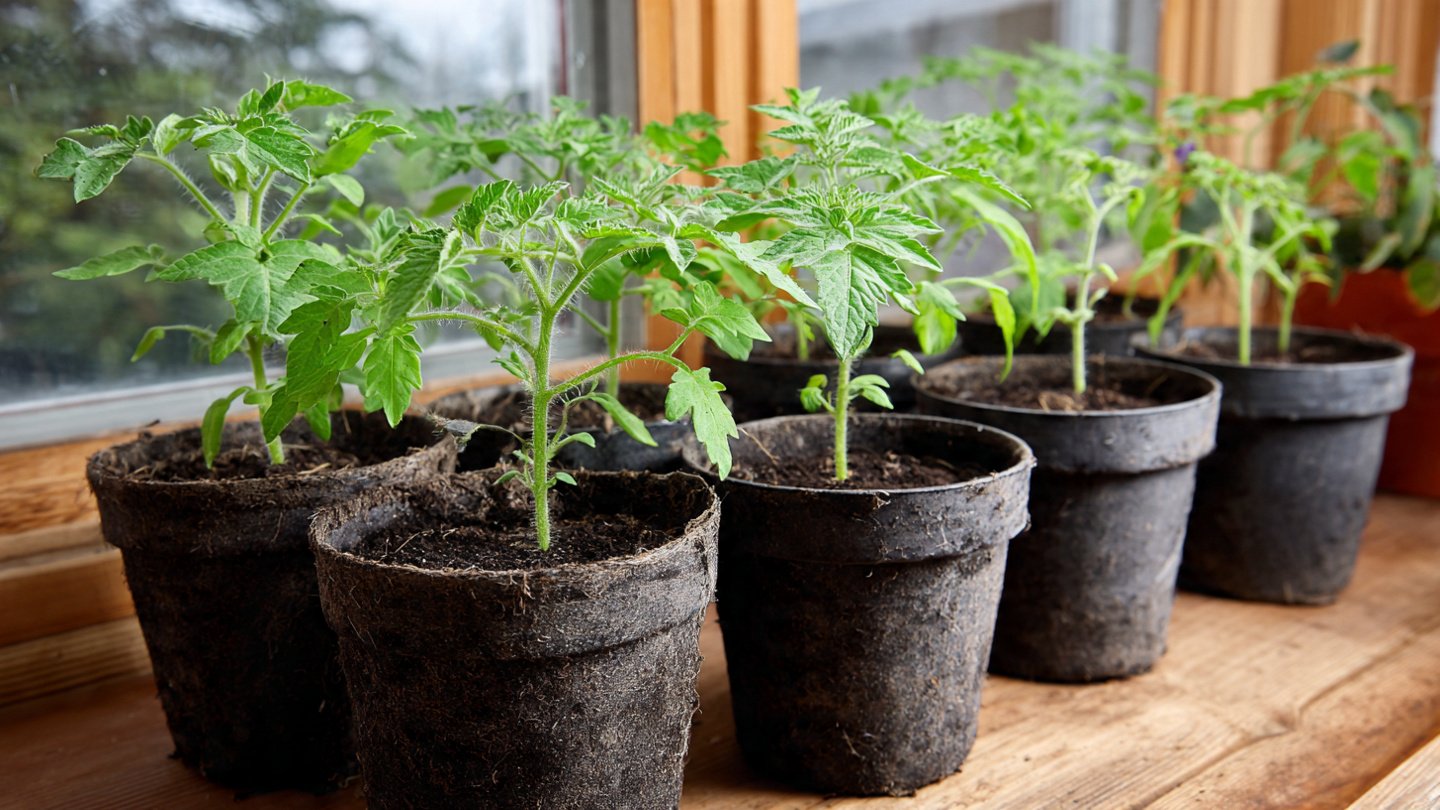
Growing tomatoes from seed is one of the most rewarding experiences for home gardeners. Watching tiny seedlings sprout, grow, and eventually bear fruit can be both satisfying and delicious. However, to ensure healthy, vigorous plants, moving tomato seedlings into larger pots at the right time and using the proper techniques is critical. Transplanting too early, too late, or incorrectly can stunt growth, damage roots, or even kill your seedlings.
This guide will take you through when to transplant tomato seedlings, the best methods to avoid damage, and tips for ensuring they thrive in their new containers, making the process simple, safe, and successful.
Step 1: Understanding the Importance of Transplanting
Tomato seedlings grow quickly in small seed trays or starter pots, but their roots can become root-bound in limited space. This means the roots begin circling the container rather than spreading naturally, which can lead to:
- Stunted growth: Roots don’t have room to expand and absorb nutrients.
- Nutrient deficiency: Limited soil volume reduces the availability of water and minerals.
- Increased disease risk: Overcrowded roots create stress, making plants more susceptible to fungal or bacterial infections.
Transplanting into larger pots allows the roots to spread, strengthens the plant, and encourages higher yields later on.
Step 2: Recognizing When Tomato Seedlings Are Ready
Knowing the right time to move seedlings is crucial to prevent transplant shock. Signs that your tomato seedlings are ready include:
- True Leaves Have Developed: Seedlings usually start with two small seed leaves (cotyledons). Wait until they develop at least 2–3 sets of true leaves, which are larger and more textured than the initial seedlings leaves.
- Strong Stem Growth: The stem should be firm, upright, and sturdy, not weak or spindly.
- Healthy Root System: If roots start emerging from the bottom drainage holes of their current pot, it’s a clear sign they need more space.
- Plant Size: Generally, seedlings around 3–6 inches tall are ready for transplanting.
Avoid transplanting seedlings that are still fragile or underdeveloped, as they are more prone to stress and damage.
Step 3: Selecting the Right Container
The choice of pot is crucial for tomato growth. Consider these factors:
- Size: Move seedlings into pots that are 2–3 times larger than their current container. A 4–6 inch starter pot usually transitions well into a 1–3 gallon container.
- Material: Plastic, clay, or fabric pots are suitable. Fabric pots encourage air pruning of roots, while clay pots provide stability but may dry out faster.
- Drainage: Ensure pots have multiple drainage holes to prevent waterlogging, which can cause root rot.
Choosing the right pot ensures healthy root development and prevents future transplant issues.
Step 4: Preparing the Soil
Tomatoes are heavy feeders and thrive in nutrient-rich, well-draining soil. Prepare your potting mix by:
- Using a Quality Mix: Combine garden soil with compost, peat moss, and perlite or vermiculite to improve drainage and aeration.
- Avoiding Heavy Soil: Dense or clay-heavy soil restricts root growth and water absorption.
- Adding Fertilizer: A balanced, slow-release fertilizer supports early root and foliage growth.
Prepared soil ensures seedlings establish quickly and remain healthy after transplanting.
Step 5: Watering Seedlings Before Transplant
A day or two before transplanting, water your seedlings lightly but thoroughly. This:
- Moistens the soil: Reduces stress on roots during transplant.
- Prevents Root Damage: Soil sticks together around the roots, reducing the risk of breakage.
- Supports Recovery: Hydrated plants recover faster after being moved.
Avoid waterlogging, as overly soggy soil makes seedlings prone to disease and damage.
Step 6: Removing Seedlings from Their Original Pots
Handling seedlings carefully is key to preventing damage:
- Loosen the Soil: Gently tap or squeeze the sides of the starter pot to loosen soil.
- Lift Seedlings by the Leaves, Not the Stem: Grab the seedling by its leaves to avoid crushing the delicate stem, which can kill the plant.
- Support the Root Ball: Keep the soil intact around the roots to prevent disturbance.
Proper handling ensures minimal shock and healthier transplanting success.
Step 7: Planting Seedlings in Larger Pots
When placing seedlings into larger pots, follow these steps:
- Dig a Hole: Make a hole deep enough to accommodate the root ball and allow burying part of the stem. Tomatoes can develop roots along buried stems, which strengthens the plant.
- Place the Seedling: Set the plant in the hole, burying 2/3 of the stem if possible. Ensure roots are spread out and not circling.
- Fill and Firm Soil: Gently fill around the seedling with soil, lightly pressing to remove air pockets.
- Water Immediately: Give a thorough watering to settle soil around roots and reduce transplant shock.
Burying part of the stem and firming the soil encourages robust root development and a sturdier plant.
Step 8: Providing Temporary Shade
Transplanted seedlings may experience transplant shock, which can cause wilting or slowed growth. Reduce stress by:
- Shading the Plants: Keep seedlings in partial shade for 2–3 days before returning to full sun.
- Avoiding Fertilizer Immediately: Wait a week before applying additional fertilizer to allow roots to settle.
- Maintaining Consistent Moisture: Keep soil slightly moist but not waterlogged.
Temporary shade and care help seedlings adjust smoothly to their new environment.
Step 9: Supporting Stem Growth
Once transplanted, tomato seedlings benefit from support to prevent bending or breaking:
- Use Stakes or Cages: Place a small stake or cage near the plant for vertical growth support.
- Tie Loosely: Use soft ties or string to secure the stem without restricting growth.
- Monitor for Wind: If plants are outdoors, protect them from strong winds that may uproot them.
Proper support encourages upright growth and healthier foliage development.
Step 10: Fertilizing After Transplant
After seedlings settle (usually 1–2 weeks), fertilization boosts growth:
- Balanced Fertilizer: Use a slow-release or liquid fertilizer high in phosphorus to support root and flower development.
- Frequency: Feed every 2–3 weeks for container-grown tomatoes.
- Avoid Excess Nitrogen: Too much nitrogen encourages leaves at the expense of fruiting.
Fertilizing at the right time ensures seedlings thrive and eventually produce abundant fruit.
Step 11: Monitoring for Pests and Diseases
Young transplants are more vulnerable, so watch for early signs of trouble:
- Pests: Aphids, whiteflies, and cutworms may attack new growth. Use neem oil, insecticidal soap, or companion planting.
- Diseases: Fungal infections like damping-off or early blight can affect seedlings. Ensure proper drainage, spacing, and airflow.
- Observation: Inspect plants daily for yellowing leaves, wilting, or unusual spots.
Proactive monitoring keeps your seedlings healthy during the critical transplant stage.
Step 12: Gradually Acclimating Outdoor Seedlings
If seedlings were grown indoors, they need hardening off before permanent outdoor planting:
- Start Slow: Place seedlings outdoors for 2–3 hours daily, gradually increasing exposure over 7–10 days.
- Protect from Harsh Conditions: Avoid strong winds, heavy rain, or scorching sun during initial days.
- Monitor Moisture: Outdoor soil dries faster; water as needed.
Hardening off reduces transplant shock and strengthens seedlings for long-term growth.
Step 13: Long-Term Care in Larger Pots
Once seedlings are established in larger pots, ongoing care ensures robust growth and high yields:
- Watering: Deep, consistent watering is essential, especially during flowering and fruiting.
- Pruning: Remove lower leaves and suckers to improve airflow and direct energy to fruit.
- Support Growth: Adjust cages or stakes as plants grow taller.
- Fertilization: Continue feeding every 2–3 weeks for container-grown plants.
Proper long-term care maximizes tomato size, flavor, and overall productivity.
Conclusion
Transplanting tomato seedlings into larger pots is a critical step in home gardening, providing the roots with space to expand, strengthening stems, and encouraging higher yields. By knowing when seedlings are ready, selecting the right pot, preparing soil, handling plants carefully, and providing post-transplant care, you can minimize stress and avoid damage.
Following these methods ensures your tomatoes grow vigorously, produce healthy fruit, and survive the transition from seedling to mature plant. With patience, proper techniques, and attentive care, even the tiniest starter plants can develop into thriving tomato plants yielding sweet, juicy fruit all season long.
Transplanting isn’t just a step in gardening—it’s the bridge between delicate seedlings and a fruitful, abundant tomato harvest.