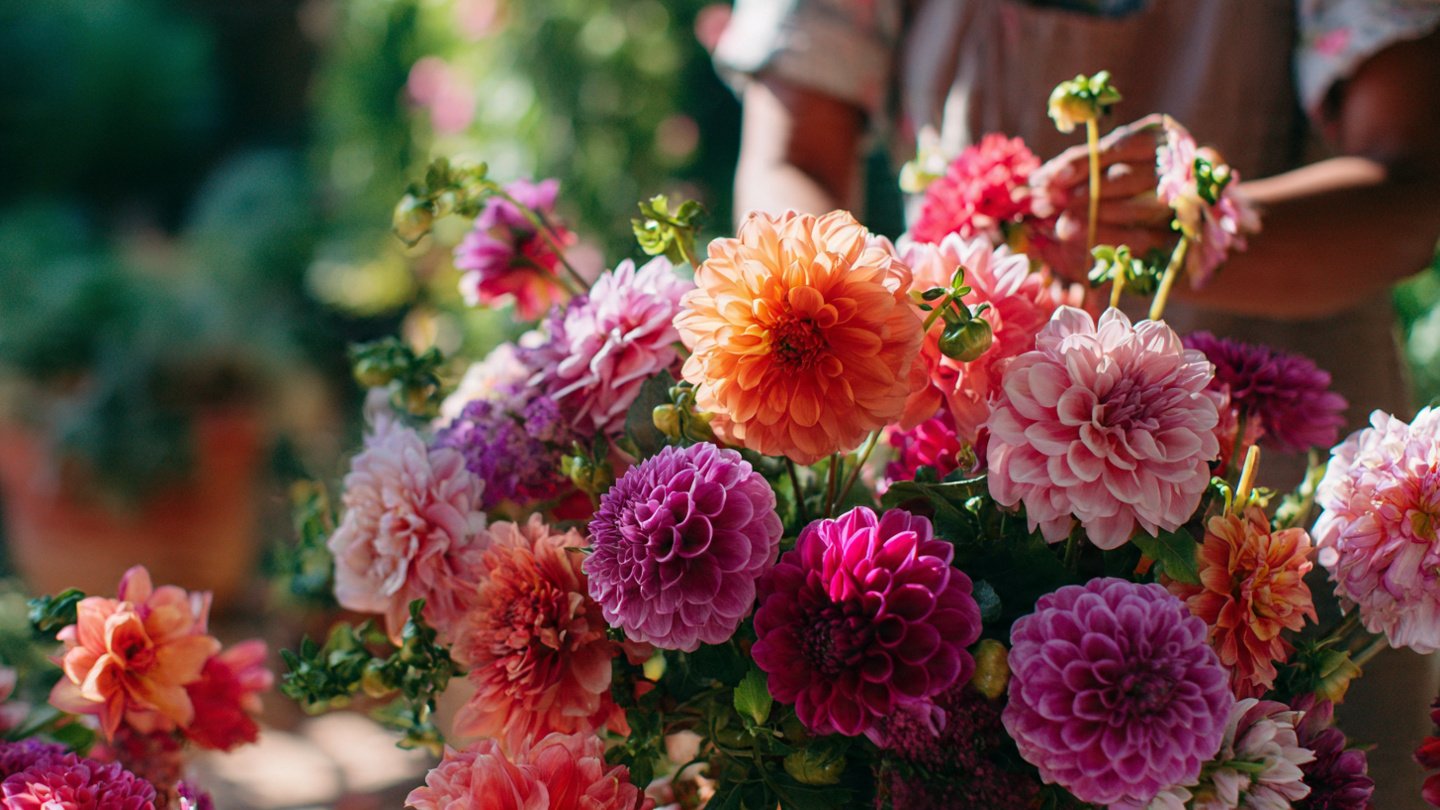
Deadheading—the practice of removing spent flowers—is one of the most common gardening tasks for keeping plants looking healthy and encouraging repeat blooms. Gardeners often wonder, however, when to stop deadheading, especially with perennials, annuals, and flowering shrubs. Knowing the right time can prevent wasted effort, allow plants to go to seed naturally, and even improve the long-term health of your garden. This guide explains why deadheading is important, signs it’s time to stop, and tips for managing flowering plants throughout the season.
What Is Deadheading and Why Do It?
Deadheading is the act of pinching or cutting off spent flowers before they fade completely. This simple action benefits plants in several ways:
- Encourages new blooms: Removing old flowers redirects the plant’s energy from seed production to producing more flowers.
- Improves appearance: Dead blooms can make a plant look messy and neglected.
- Prevents disease: Spent flowers can become a breeding ground for mold, mildew, or pests.
- Extends the flowering season: Regular deadheading can prolong bloom cycles, especially in annuals and some perennials.
However, deadheading isn’t always necessary. Over-deadheading or deadheading at the wrong time can reduce a plant’s natural life cycle or interfere with seed production.
Signs It’s Time to Stop Deadheading
Recognizing when to stop deadheading depends on plant type, season, and growth stage. Here are the key signs:
1. Plants Are Entering Dormancy
Many perennials and flowering shrubs naturally enter dormancy in late summer or fall. During this time, energy is directed toward root and foliage survival rather than producing new blooms. Signs that a plant is entering dormancy include:
- Leaves turning yellow or brown
- Slower growth and smaller leaves
- Reduced flower bud formation
Deadheading at this stage won’t encourage new flowers and may actually stress the plant. It’s better to stop deadheading and allow the plant to rest until the next growing season.
2. Seeds Are Forming or Desired Seed Collection
Some gardeners choose to let flowers go to seed for self-sowing or seed collection. Stop deadheading if:
- The plant is producing seed pods or seed heads
- You want to collect seeds for next season
- You want plants to naturally reseed in your garden
Examples include Echinacea (coneflowers), Black-eyed Susans, and Nasturtiums, which produce attractive seed heads or edible seeds.
3. Frost or Cold Weather Is Approaching
Cold weather signals the end of the growing season for most annuals and tender perennials. Stop deadheading when:
- Night temperatures consistently drop below 50°F (10°C) for tender plants
- Frost is expected in your area
Deadheading late in the season may remove energy reserves needed for survival over winter.
4. Plant Health Is Declining
If a plant shows signs of stress such as wilting, yellowing leaves, or pest infestation, stop deadheading temporarily. Focus on general care like watering, fertilizing, and pest control before resuming flower maintenance.
5. Flowers Are Naturally Finishing Their Bloom Cycle
Some plants, like hydrangeas or lilacs, bloom once per season and don’t produce repeat flowers. Deadheading spent blooms from these plants won’t create more flowers and can divert energy unnecessarily.
Plant-Specific Deadheading Guidelines
Different plants respond differently to deadheading. Here’s a breakdown of common types and when to stop:
Annuals
- Petunias, marigolds, and zinnias benefit from continuous deadheading until the first frost.
- Stop deadheading once temperatures consistently drop, as these plants are sensitive to cold.
Perennials
- Daylilies: Deadhead regularly through summer, but stop in late summer or fall when foliage begins to yellow.
- Echinacea and Rudbeckia: Deadhead early in the season to prolong blooms, but leave some seed heads for winter interest and wildlife food.
- Salvia and Coreopsis: Deadhead until late summer; stop as flowering slows naturally.
Shrubs
- Hydrangeas: Deadheading can improve appearance, but removing old blooms doesn’t encourage new flowers on some varieties. Stop deadheading after bloom completion.
- Roses: Many repeat-blooming roses benefit from regular deadheading through the growing season. Stop deadheading in late fall before the plant goes dormant.
Bulbs
- Daffodils, tulips, and crocuses: Do not deadhead until foliage turns yellow. The leaves are storing energy for next year’s bloom. Premature deadheading can reduce flowering.
How to Deadhead Without Harming Plants
Even when you are deadheading, proper technique is key:
- Use clean, sharp tools: Scissors or pruning shears make clean cuts and reduce stress on the plant.
- Cut above the first healthy set of leaves or buds: This encourages branching and new flower production.
- Pinch gently for soft-stemmed flowers: Many annuals can be deadheaded with finger pinching.
- Avoid removing foliage unnecessarily: Leaves are essential for photosynthesis and energy storage.
Following these techniques ensures deadheading is beneficial and doesn’t weaken your plants.
Benefits of Knowing When to Stop
Knowing when to stop deadheading has several advantages:
- Energy conservation: Plants can redirect resources to root development, seed production, or winter survival.
- Reduced labor: Continuous deadheading can be time-consuming; stopping at the right time saves effort.
- Support for wildlife: Leaving seed heads provides food for birds and pollinators during winter.
- Natural beauty: Seed heads and fading blooms can add texture and interest to your garden in late fall and winter.
By balancing deadheading with natural growth cycles, your garden stays healthy and visually appealing.
Additional Late-Season Garden Tips
Even after you stop deadheading, there are ways to maintain garden health and prepare for the next season:
- Clean up debris: Remove fallen leaves and dead stems to prevent pests and disease.
- Mulch: Apply a layer of organic mulch to protect roots and retain moisture over winter.
- Fertilize carefully: For perennials, a late-season fertilizer rich in potassium helps strengthen roots for the next season.
- Watering: Ensure plants are hydrated before winter; reduce watering as growth slows.
- Plan for next season: Take note of which plants need more or less deadheading next year for better garden management.
These steps complement your decision to stop deadheading and help your garden transition smoothly into dormancy.
Conclusion
Deadheading is a valuable tool for keeping flowers looking vibrant and encouraging extended blooming, but knowing when to stop is just as important. Stop deadheading when:
- Plants enter dormancy
- Flowers are producing seeds you want to save
- Frost or cold weather is approaching
- Plant health is declining
- Blooming naturally ends
Different plants have different requirements, so always consider species-specific guidelines. By observing your plants carefully and understanding their natural cycles, you can maximize blooms during the growing season while conserving energy and encouraging healthy growth for the next year.
Remember, a well-timed stop to deadheading isn’t neglect—it’s a strategic step that promotes plant health, supports wildlife, and allows your garden to thrive naturally. With this knowledge, you can enjoy beautiful flowers throughout their season and a healthy, low-maintenance garden afterward.