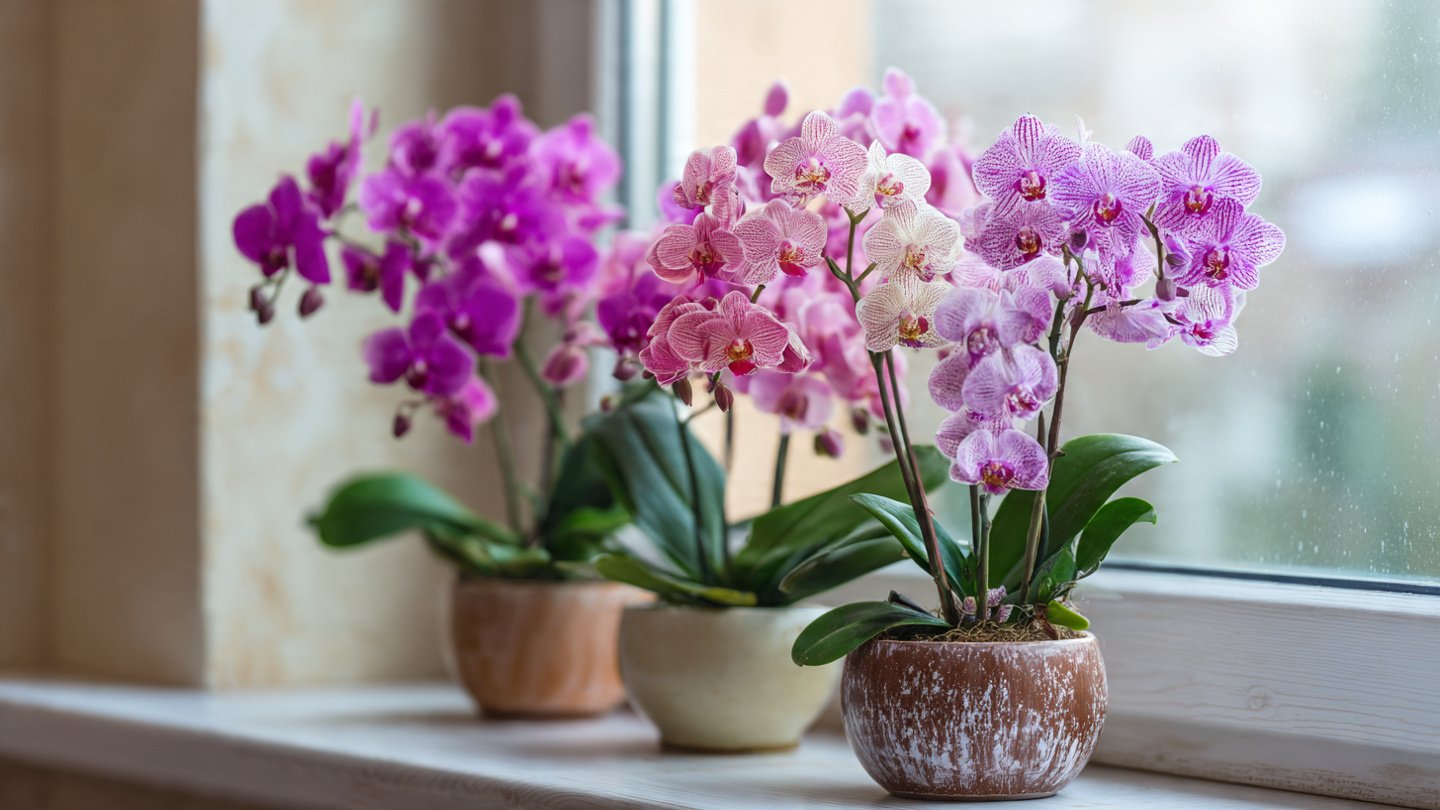
Orchids are some of the most elegant and captivating plants in any home garden, admired for their exotic blooms and long-lasting flowers. Yet, many orchid enthusiasts struggle to keep their plants consistently blooming. One of the most important factors for orchid health and flowering is proper fertilization. Feeding orchids the right nutrients, at the right time, and in the right way can make the difference between a plant that thrives and one that languishes without blooms.
This guide provides a comprehensive approach to fertilizing orchids effectively, helping you maintain lush foliage, strong roots, and vibrant, long-lasting flowers.
Step 1: Understanding Orchid Nutrition
Orchids are epiphytes in nature, meaning they grow on trees rather than in soil. This unique lifestyle means they absorb nutrients differently from typical garden plants. Fertilizing orchids requires understanding their nutritional needs:
- Nitrogen (N): Promotes healthy, green foliage and stem growth.
- Phosphorus (P): Encourages strong root systems and supports blooming.
- Potassium (K): Improves overall plant health, disease resistance, and flower quality.
- Micronutrients: Magnesium, calcium, and trace elements help with color, leaf development, and metabolism.
Orchids require a delicate balance of nutrients—too little will stunt growth, and too much can burn roots or inhibit flowering.
Step 2: Choosing the Right Fertilizer
The type of fertilizer you use depends on the orchid species and your growing environment:
- Balanced Fertilizers (20-20-20): Suitable for general feeding during vegetative growth.
- Bloom-Boosting Fertilizers (10-30-20): Higher in phosphorus, ideal for encouraging flower spikes and blooms.
- Water-Soluble Fertilizers: Easily absorbed by roots, ideal for regular feeding.
- Slow-Release Fertilizers: Provide nutrients over time but require careful monitoring to prevent over-fertilization.
Choose fertilizers labeled for orchids or dilute standard plant fertilizers to avoid root burn, as orchids are sensitive to high nutrient concentrations.
Step 3: Understanding Orchid Growth Cycles
Orchids have different growth stages, and fertilization should align with these stages:
- Active Growth: During leaf and root development, use a balanced fertilizer to support vigorous growth.
- Flower Spike Development: When flower buds appear, switch to a bloom-boosting fertilizer higher in phosphorus.
- Blooming Phase: Reduce nitrogen to prevent excessive leafy growth that can weaken blooms.
- Resting Period: Many orchids go dormant after flowering; minimize fertilization and focus on maintaining hydration.
Feeding orchids according to their growth stage ensures healthy plants and consistent blooms.
Step 4: The “Weakly, Weekly” Approach
A widely recommended method for orchid fertilization is “weakly, weekly”:
- Dilution: Use fertilizer at 1/4 to 1/2 the recommended strength for standard plants.
- Frequency: Apply fertilizer once a week rather than once a month at full strength.
- Watering: Fertilize after watering to prevent root burn and ensure nutrients penetrate the growing medium.
This approach mimics the natural low-dose nutrient availability orchids receive in the wild, promoting steady growth without overloading the plant.
Step 5: Fertilizing Different Types of Orchids
Different orchid varieties have slightly different needs:
- Phalaenopsis (Moth Orchids): Prefer balanced fertilizers (20-20-20) during growth, switching to bloom-specific fertilizers during flowering.
- Cattleya: Need high nitrogen in the vegetative stage but higher phosphorus when preparing for blooms.
- Dendrobium: Feed lightly during growth; reduce fertilization during dormancy.
- Oncidium: Thrive with regular, diluted fertilization, especially during active growth and flowering.
Understanding your orchid type ensures fertilizer is applied when and where it’s most beneficial.
Step 6: Preparing Fertilizer Solution
To avoid root damage, orchids require properly prepared fertilizer solutions:
- Measure Carefully: Follow recommended ratios and dilute to half or quarter strength.
- Use Clean Water: Tap water is usually fine unless it’s highly chlorinated or hard; otherwise, use filtered or rainwater.
- Mix Thoroughly: Ensure the fertilizer dissolves completely to prevent salt buildup.
- Temperature: Room-temperature water reduces shock to sensitive roots.
Proper preparation ensures nutrients are gentle, accessible, and effective.
Step 7: Applying Fertilizer
Correct application helps orchids absorb nutrients efficiently:
- Watering First: Water the orchid lightly before applying fertilizer to moisten the roots.
- Pour Evenly: Apply the diluted solution to the base of the plant and around the roots.
- Avoid Leaves: Fertilizer on leaves can sometimes cause burns, unless using a foliar spray specifically designed for orchids.
- Container Consideration: For orchids in bark or moss, water-soluble fertilizers leach through the medium, reaching roots effectively.
Consistent, careful application ensures maximum nutrient uptake without harming the plant.
Step 8: Preventing Fertilizer Burn
Orchids are sensitive, so over-fertilization can be harmful:
- Symptoms: Brown leaf tips, yellowing foliage, stunted growth, or root damage indicate fertilizer burn.
- Flushing: Occasionally flush pots with plain water to remove excess salts.
- Dilution: Always start with weaker concentrations, increasing gradually if necessary.
- Frequency: Stick to weekly feeding; avoid daily high-strength doses.
Preventive care keeps orchids healthy, vibrant, and free from stress.
Step 9: Complementary Care Alongside Fertilization
Fertilizer alone isn’t enough; orchids need holistic care for blooms:
- Light: Provide bright, indirect light; adjust as needed for different species.
- Humidity: Maintain 50–70% humidity to support growth and flowering.
- Airflow: Adequate ventilation prevents fungal diseases that can damage blooms.
- Pruning: Remove dead spikes and leaves to encourage new growth.
Fertilization works best when combined with proper environmental conditions.
Step 10: Special Techniques for Bloom Encouragement
To encourage orchids to bloom beautifully:
- Phosphorus-Rich Fertilizer: Apply bloom-boosting fertilizer every 2–3 weeks during bud formation.
- Temperature Adjustment: Slightly cooler nights can trigger flower spikes in some orchids, like Phalaenopsis.
- Stress Technique: Briefly reducing water slightly before the blooming stage can stimulate flower production in certain species.
- Consistent Feeding: Avoid long gaps in fertilization, as nutrient deficiencies can delay flowering.
These techniques, combined with proper fertilization, maximize bloom size, color, and longevity.
Step 11: Fertilizing Orchids in Different Media
Orchids are grown in various substrates, affecting how fertilizer is applied:
- Bark Mix: Fertilizer leaches quickly; frequent, diluted feeding works best.
- Sphagnum Moss: Holds moisture and nutrients longer; avoid over-fertilizing to prevent buildup.
- Orchid Soil Blocks: Apply small amounts regularly; ensure roots remain moist but not soggy.
- Mounted Orchids: Spray diluted fertilizer directly onto roots or use foliar feeding.
Adjust feeding methods according to the medium to ensure effective nutrient absorption without causing root damage.
Step 12: Monitoring and Adjusting Fertilization
Regular observation is key to fertilization success:
- Leaf Color: Dark green leaves indicate adequate nitrogen; yellowing may signal a deficiency.
- Root Health: Healthy roots are firm and white or green; brown, mushy roots indicate over-fertilization or poor drainage.
- Flowering Frequency: Delayed or reduced blooms may require adjusted fertilization.
- Growth Rate: Rapid growth may indicate balanced nutrition; slow growth suggests nutrient deficiency or environmental stress.
Monitoring allows you to fine-tune fertilization for optimal blooms.
Conclusion
Proper fertilization is a cornerstone of healthy, blooming orchids. By understanding their nutritional needs, selecting the right fertilizers, aligning feeding with growth stages, and applying nutrients carefully, you can maintain strong roots, vibrant foliage, and beautiful, long-lasting flowers.
From choosing balanced or bloom-boosting fertilizers to adopting the “weakly, weekly” approach, the key is gentle, consistent, and attentive care. Combined with adequate light, humidity, and overall orchid care, proper fertilization transforms orchids from ordinary houseplants into stunning floral displays that bloom repeatedly and delightfully.
With patience, observation, and the right fertilization techniques, you can enjoy orchid blooms that are healthier, brighter, and more spectacular than ever before.