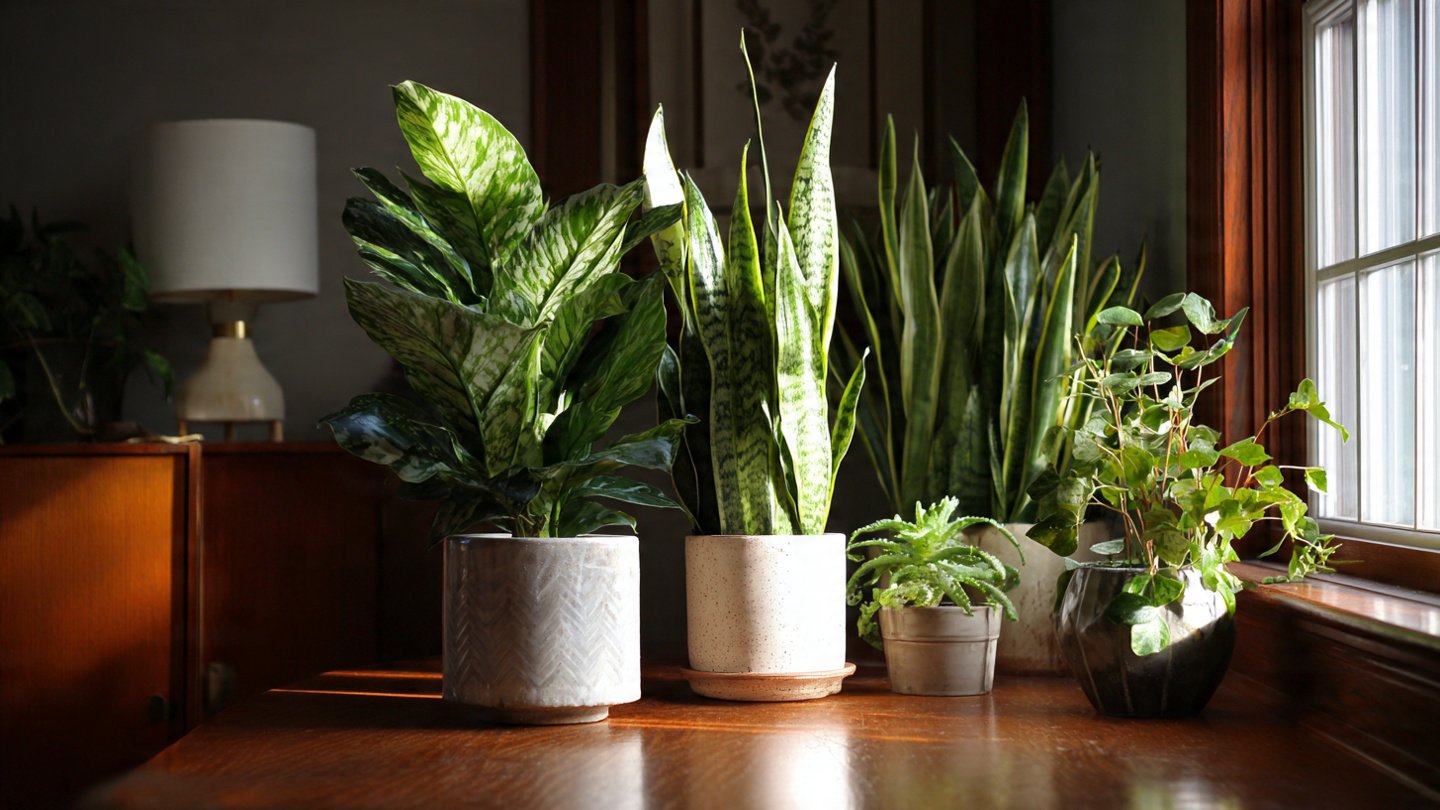
Houseplants bring life, color, and freshness to indoor spaces, but their health and growth largely depend on one critical factor: light. While some plants thrive in direct sunlight, many popular indoor plants—like peace lilies, pothos, ferns, and calatheas—prefer bright, indirect light. Too little light can lead to leggy growth, yellowing leaves, and weak stems, while too much direct sun can scorch delicate foliage. Creating bright, indirect light indoors is an art that balances intensity, direction, and duration to give your plants the best chance to flourish.
In this guide, we’ll explore what bright, indirect light is, why it’s important, how to achieve it indoors, and tips for maintaining healthy, vibrant houseplants year-round.
Understanding Bright, Indirect Light
Bright, indirect light refers to light that is intense enough to cast a shadow but not so strong that it hits plants directly. This type of light mimics the conditions under a canopy of trees or near a window with filtered sunlight. Key characteristics include:
- Soft Shadows: Leaves cast faint shadows rather than sharp, defined ones.
- Even Illumination: Light spreads evenly across the plant without hot spots.
- Avoidance of Sunburn: Leaves remain healthy without browning, burning, or curling from excessive exposure.
Many indoor plants adapted to tropical understories naturally thrive in these conditions, making bright, indirect light ideal for a variety of houseplants.
Why Bright, Indirect Light Matters
Providing the correct light is essential for several reasons:
- Photosynthesis: Plants convert light energy into food. Without sufficient light, growth slows, and leaves may yellow.
- Flowering and Fruiting: Many houseplants, like orchids and African violets, require adequate bright light to bloom.
- Leaf Color and Patterns: Variegated plants, such as calathea or pothos, maintain vibrant colors only with enough light.
- Overall Plant Health: Adequate light reduces the risk of leggy stems, weak roots, and vulnerability to pests.
By creating bright, indirect light, you mimic the plant’s natural environment, encouraging robust growth and vitality.
Step 1: Assess Your Existing Light
Before enhancing your indoor light, you need to understand the natural light available:
- Observe Windows: South-facing windows provide the most light, east-facing provide morning sun, west-facing deliver afternoon sun, and north-facing provide minimal natural light.
- Test Intensity: Place your hand in the window light. Bright, indirect light casts soft shadows, while direct sunlight creates sharp, distinct shadows.
- Consider Seasonal Changes: Light intensity and duration vary with seasons. South-facing windows are strongest in summer and weaker in winter.
By evaluating your existing light, you can identify which areas suit your plants and where supplemental lighting may be necessary.
Step 2: Position Plants Strategically
Once you understand your light sources, placement becomes key:
- Distance from Windows: Most plants requiring bright, indirect light thrive 2–6 feet from a sunny window. Adjust based on intensity; closer for north-facing windows, farther for south-facing windows.
- Avoid Drafts: Keep plants away from cold or hot air drafts from windows or vents, as sudden temperature fluctuations stress them.
- Group Plants Wisely: Taller plants can shade smaller ones. Rotate periodically to ensure all plants receive light.
Proper positioning allows each plant to receive the right intensity without risk of burning or underexposure.
Step 3: Use Sheer Curtains or Window Films
Direct sunlight can harm sensitive houseplants. You can filter it to create the perfect bright, indirect light:
- Sheer Curtains: Lightweight, translucent fabrics diffuse sunlight, softening harsh rays.
- Window Films: Frosted or UV-blocking films reduce glare and heat, creating evenly diffused light.
- Blinds or Shades: Adjustable blinds allow you to control intensity throughout the day.
By filtering sunlight, you simulate natural conditions like the dappled light found under trees, which is ideal for tropical houseplants.
Step 4: Reflect Light with Mirrors and Surfaces
Even in rooms with limited windows, you can amplify natural light:
- Mirrors: Placing a mirror opposite a window reflects additional light onto plants.
- White Walls and Surfaces: Light-colored walls, ceilings, or furniture reflect sunlight and brighten darker corners.
- Reflective Trays: Placing a plant on a tray with reflective stones or glass enhances light exposure from below.
Using reflective surfaces ensures plants receive more even, indirect light without needing additional electrical sources.
Step 5: Supplement with Artificial Lighting
For rooms lacking sufficient natural light, artificial lighting can mimic bright, indirect sunlight:
- Fluorescent Bulbs: Affordable and widely available, suitable for low- to medium-light plants.
- LED Grow Lights: Energy-efficient and customizable, ideal for providing full-spectrum light.
- Placement: Position lights 12–24 inches above plants. Adjust distance based on intensity to avoid leaf burn.
- Timing: Most houseplants need 12–16 hours of light daily during winter or low-light conditions. Use a timer for consistency.
Artificial lighting extends your growing options, allowing you to maintain healthy foliage and blooms year-round.
Step 6: Rotate Plants Regularly
Rotation ensures all parts of the plant receive light evenly:
- Turn Weekly: Rotate plants 90 degrees every week to prevent leaning and uneven growth.
- Monitor Leaf Health: Check leaves for yellowing or stretching, which may indicate insufficient light.
- Adjust Distance: Move plants closer or farther from the light source as needed for optimal exposure.
Regular rotation prevents plants from becoming lopsided and promotes uniform leaf development.
Step 7: Monitor Light Levels with Tools
Sometimes, visual observation isn’t enough. Light meters can help you measure intensity precisely:
- Light Meters: Measure lux or foot-candles to determine if your plant is receiving enough light.
- Apps: Some smartphone apps can give approximate readings.
- Recommended Levels: Most bright, indirect-light plants thrive at 1000–2000 foot-candles.
Monitoring light scientifically ensures your plants consistently receive the proper conditions for growth.
Step 8: Adjust for Seasonal Changes
Indoor light conditions change throughout the year:
- Winter: Shorter days and weaker sunlight may require moving plants closer to windows or adding artificial lighting.
- Summer: Intense sun may need diffusers or repositioning to prevent leaf burn.
- Transition: Observe plants closely and make gradual adjustments to prevent shock.
By adapting to seasonal changes, you maintain steady growth and vibrant foliage year-round.
Common Mistakes to Avoid
Even experienced indoor gardeners sometimes struggle with light:
- Placing Shade Plants in Bright, Direct Sunlight: Causes leaf scorch and stress.
- Assuming Window Light is Enough Year-Round: Seasonal shifts can reduce intensity.
- Overcrowding Plants: Taller plants shade smaller ones, limiting access to light.
- Neglecting Rotation: Causes uneven growth and leaning stems.
- Ignoring Artificial Light Needs: Dark rooms or north-facing windows often require supplemental lighting.
Awareness of these pitfalls allows you to create a consistently bright, indirect light environment.
Bonus Tips for Thriving Houseplants
- Leaf Cleaning: Dust on leaves blocks light, so wipe them regularly with a damp cloth.
- Observe Plant Behavior: Leggy growth, pale leaves, or slow growth are signs of insufficient light.
- Combine Plants: Group plants with similar light needs together to create a microenvironment.
- Use Transparent Pots for Some Plants: For smaller plants, clear containers allow roots to absorb some reflected light.
- Experiment and Adjust: Indoor light varies widely—test different placements until plants show healthy growth.
Conclusion
Bright, indirect light is the cornerstone of healthy indoor plant care. By understanding what it is, assessing your space, and using natural and artificial methods to optimize light, you can ensure your houseplants thrive. Strategic placement, rotation, filtering sunlight, and supplementing with grow lights allow even low-light rooms to support vibrant foliage and flowering plants.
Creating the right light environment is an ongoing process. Monitoring plant health, adapting to seasonal changes, and making small adjustments over time ensures your indoor garden remains lush, green, and productive. Whether you’re nurturing tropical plants, flowering species, or leafy greens, mastering bright, indirect light is the key to indoor gardening success.
With patience and careful planning, your indoor plants will grow strong, display vivid colors, and reward you with a healthy, vibrant home environment. Bright, indirect light isn’t just about sunlight—it’s about creating an environment where your plants can flourish naturally, bringing beauty and life to your indoor spaces all year long.