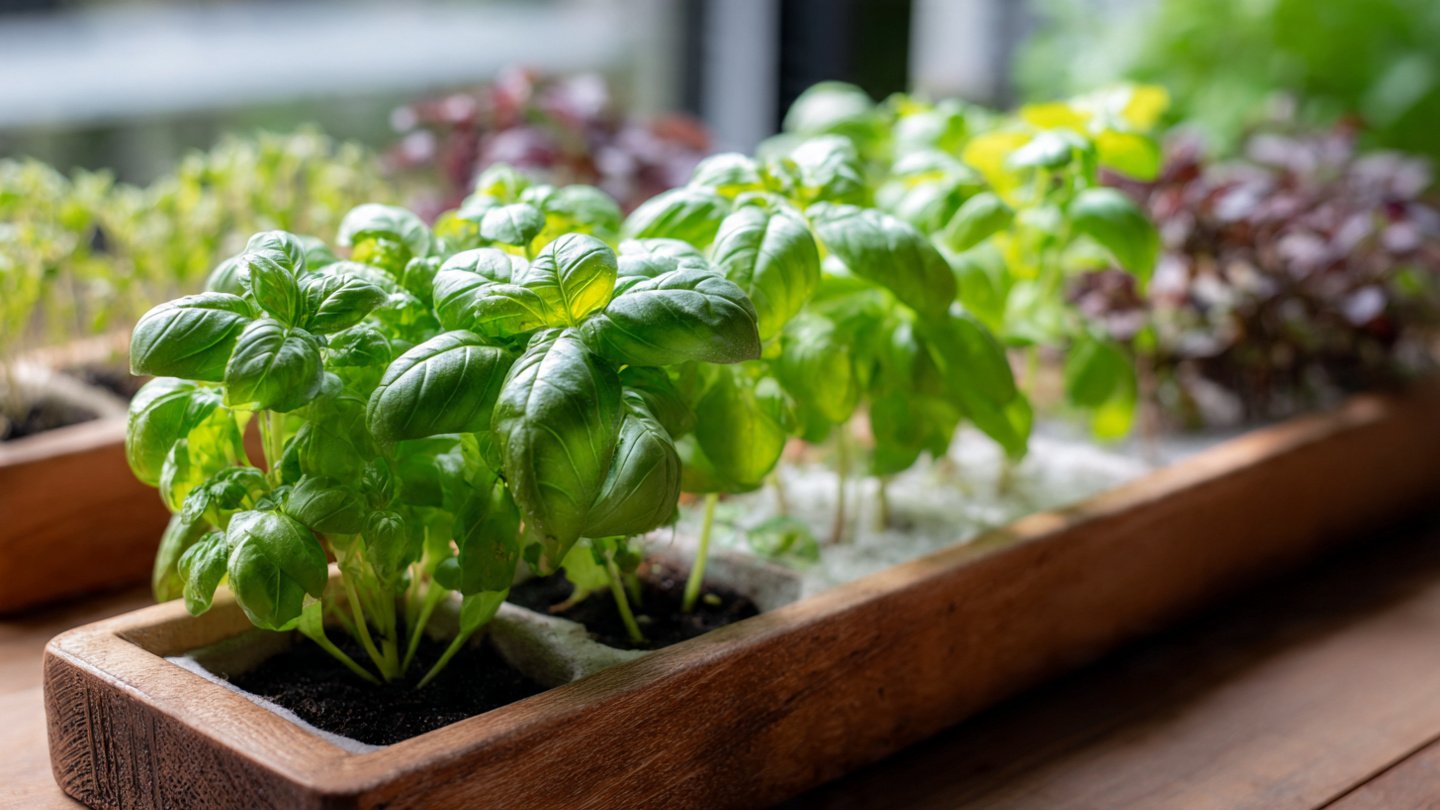
There’s nothing quite like the taste of fresh herbs picked straight from your own indoor garden. Whether it’s basil for pasta, thyme for roasting vegetables, or mint for tea, indoor herb gardening allows you to enjoy flavorful, aromatic ingredients all year long. Indoor gardens also enhance your living space with greenery, improve air quality, and give you a satisfying hobby that connects you to your food.
If you’ve ever wanted to start an indoor herb garden but weren’t sure where to begin, this expert guide walks you through everything—from selecting the right herbs and containers to proper lighting, soil, watering, and long-term care.
Why Indoor Herb Gardening Is Worth It
Indoor herb gardens offer numerous advantages:
- Freshness: You can harvest herbs as needed, ensuring maximum flavor and aroma.
- Convenience: No more rushing to the store for fresh herbs; they’re right in your kitchen.
- Year-Round Growth: With indoor conditions controlled, herbs aren’t limited by seasonal changes.
- Aesthetic and Health Benefits: Indoor plants improve air quality, reduce stress, and enhance your home décor.
- Cost Savings: Growing your own herbs can save money over time compared to buying fresh herbs weekly.
Experts agree that even small indoor spaces can support a thriving herb garden if you follow the right practices.
Step 1: Choosing the Right Herbs
Not all herbs thrive indoors. Experts recommend starting with hardy, beginner-friendly varieties:
- Basil: Thrives in warm, sunny conditions and is perfect for cooking.
- Parsley: Slow-growing but adaptable to indoor conditions.
- Thyme: Low-maintenance and great for seasoning meats and vegetables.
- Chives: Easy to grow, providing mild onion flavor.
- Mint: Vigorous grower; best planted in a separate container to prevent spreading.
- Oregano and Rosemary: Hardy Mediterranean herbs that love sunlight.
Tip: Start with 3–5 herbs and expand once you’re comfortable with the care routines.
Step 2: Selecting Containers
The right container supports healthy root development and prevents overwatering issues:
- Pot Size: Use containers at least 4–6 inches deep for small herbs, larger for bigger plants like rosemary.
- Drainage: Ensure pots have drainage holes to prevent root rot.
- Material: Terracotta, ceramic, or plastic are all viable options. Terracotta allows soil to breathe, while plastic retains moisture better.
- Grouped Containers vs. Individual Pots: Grouping herbs can save space, but some aggressive growers, like mint, should be planted separately.
Experts emphasize that proper drainage is essential—standing water is one of the most common reasons indoor herbs fail.
Step 3: Choosing the Right Soil
Indoor herbs need well-draining, nutrient-rich soil:
- Potting Mix: Use a high-quality, all-purpose potting mix rather than garden soil.
- Amendments: Mix in perlite or vermiculite to improve drainage and aeration.
- Fertility: Start with soil enriched with organic compost or slow-release fertilizer.
Avoid dense soils that retain too much water, as this can suffocate roots and promote fungal growth.
Step 4: Provide Adequate Light
Lighting is the most critical factor for year-round indoor herb success:
- Natural Sunlight: Place herbs on a south- or west-facing windowsill that receives 6–8 hours of sunlight daily.
- Supplemental Lighting: If natural light is insufficient, use LED grow lights. Experts recommend 12–16 hours of light per day for optimal growth.
- Distance from Light Source: Keep lights 6–12 inches above plants; adjust as they grow.
Herbs that don’t get enough light become leggy, weak, and prone to disease. Consistent, bright light is essential.
Step 5: Watering Properly
Watering is often where beginners struggle. Experts recommend:
- Check Soil Moisture: Stick your finger into the soil; water only when the top 1–2 inches feel dry.
- Avoid Overwatering: Too much water can cause root rot.
- Water Evenly: Water until it drains through the bottom of the pot.
- Use Room-Temperature Water: Cold water can shock the roots.
Tip: Herbs like rosemary and thyme prefer slightly drier conditions, while basil and parsley enjoy consistent moisture.
Step 6: Fertilizing for Maximum Growth
Indoor herbs have limited access to natural soil nutrients, so regular feeding is essential:
- Frequency: Feed herbs every 3–4 weeks with a balanced, water-soluble fertilizer.
- Organic Options: Fish emulsion, seaweed extract, or compost tea provide nutrients without chemical buildup.
- Avoid Overfertilization: Too much nitrogen can promote excessive leafy growth at the expense of flavor.
Experts emphasize that fertilization works best when combined with proper light and watering practices.
Step 7: Pruning and Harvesting
Regular pruning keeps herbs productive and healthy:
- Pinch Back Tips: Encourage bushy growth by trimming the top leaves.
- Harvest Often: Frequent harvesting prevents flowering, which can reduce flavor.
- Avoid Overharvesting: Never remove more than one-third of the plant at a time.
- Remove Dead or Yellow Leaves: Keeps plants healthy and reduces disease risk.
Pruning not only maintains shape but also stimulates new growth, ensuring a steady supply of fresh herbs.
Step 8: Controlling Pests and Disease
Even indoor herb gardens can face challenges:
- Common Pests: Aphids, spider mites, and fungus gnats. Remove pests by washing leaves with mild soap solution or using neem oil.
- Prevent Mold: Ensure good air circulation, avoid overwatering, and remove dead leaves.
- Check for Root Rot: If roots are mushy or smell bad, repot the plant in fresh soil and a clean container.
Experts suggest monitoring plants daily, especially in humid indoor conditions, to catch problems early.
Step 9: Seasonal Adjustments
Indoor herb gardens thrive year-round with minor adjustments:
- Winter: Supplement light with grow lights; reduce watering slightly as growth slows.
- Summer: Rotate pots to prevent sunburn and watch for heat stress from sunny windows.
- Humidity: Most herbs prefer 40–60% humidity. Use a small humidifier or mist plants in dry indoor environments.
Seasonal adjustments ensure consistent growth and flavor all year.
Step 10: Creative Indoor Herb Garden Ideas
Experts recommend making your indoor herb garden functional and beautiful:
- Windowsill Garden: A classic option; herbs are within easy reach while cooking.
- Tiered Plant Stand: Stacks pots vertically to save space and increase sunlight exposure.
- Hanging Planters: Perfect for trailing herbs like mint or thyme.
- Wall-Mounted Planters: Keep herbs off counters and add a decorative touch to your kitchen.
- DIY Vertical Gardens: Use pocket planters, wooden crates, or recycled containers for a creative, space-saving setup.
Choose a design that suits your space, light availability, and personal style.
Expert Tips for Success
- Rotate Herbs Regularly: Turn pots to ensure all sides receive light.
- Monitor Soil Health: Refresh soil annually for optimal nutrient availability.
- Group Herbs by Care Needs: Keep herbs with similar light and watering requirements together.
- Use Fresh Seeds or Seedlings: High-quality plants grow faster and are less prone to disease.
- Enjoy the Process: Herbs thrive when cared for consistently—don’t rush the process.
Following expert advice ensures your indoor herb garden is productive, healthy, and enjoyable.
Conclusion
Starting an indoor herb garden is easier than you might think, and the rewards are immense. By selecting the right herbs, containers, and soil, providing adequate light, watering carefully, fertilizing appropriately, and pruning regularly, you can create a thriving indoor herb garden that produces fresh flavor year-round.
Indoor herb gardening isn’t just about having fresh ingredients—it’s about cultivating a green, aromatic, and sustainable environment in your home. With proper care and attention, you can enjoy the convenience of fresh herbs at your fingertips, enhance the aesthetics of your kitchen, and elevate every meal with garden-fresh flavor.
Experts agree: consistent light, proper watering, and attentive care are the keys to success. With these steps, your indoor herb garden can flourish throughout the year, providing endless culinary possibilities and a sense of connection to your food and home environment.