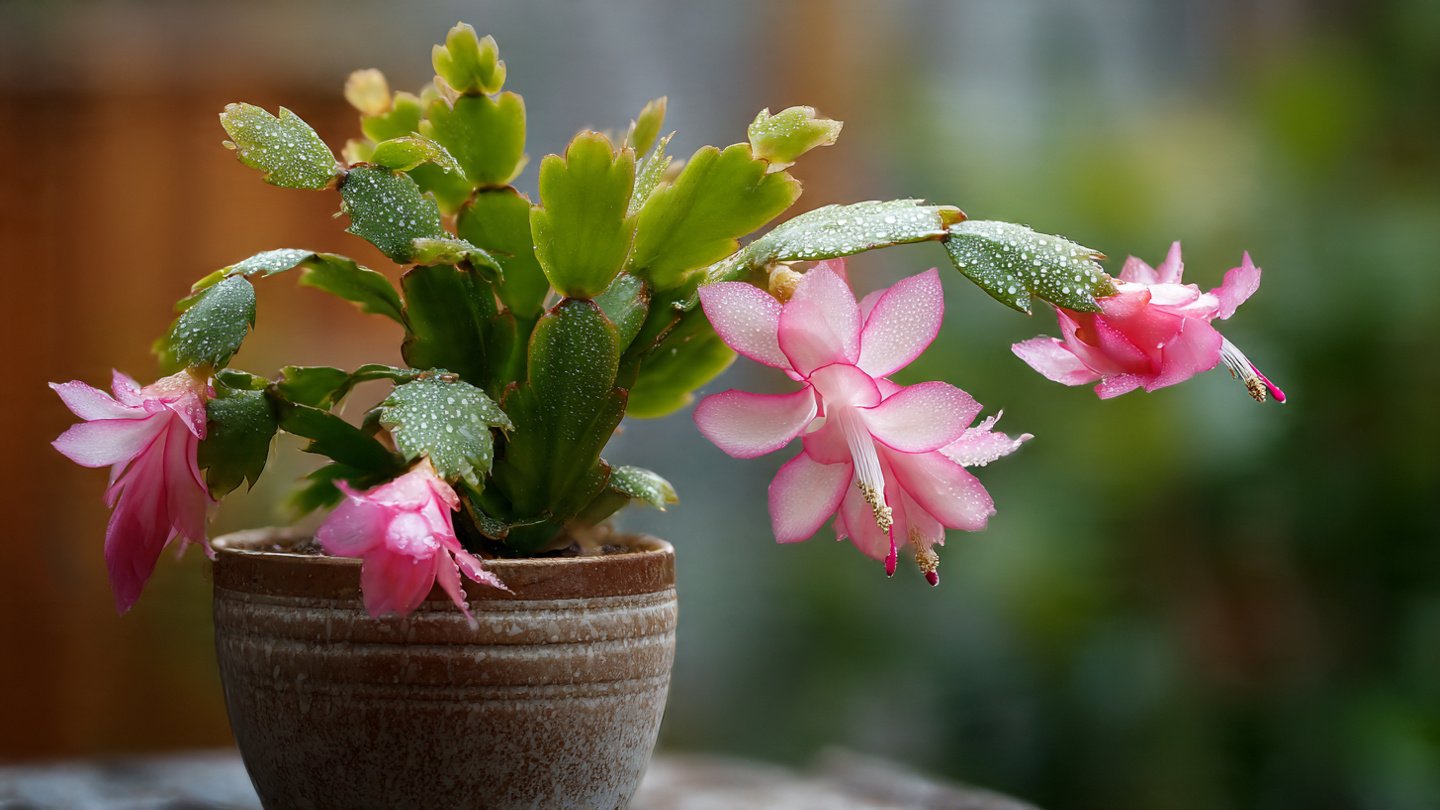
The Christmas cactus (Schlumbergera bridgesii or Schlumbergera truncata) is a beloved holiday plant, celebrated for its bright, showy blooms that appear in winter. Many people enjoy its vibrant flowers during the holiday season, only to struggle with keeping the plant healthy afterward. Unlike typical cacti, Christmas cacti are tropical plants that require careful care to thrive year-round. With proper attention, your Christmas cactus can bloom again next season and live for decades as a stunning houseplant. This guide will provide step-by-step instructions on how to care for your Christmas cactus after the holidays are over.
Understanding Your Christmas Cactus
Unlike desert cacti, Christmas cacti are native to the humid, tropical rainforests of Brazil. This means they thrive in indirect light, high humidity, and regular watering. Understanding these natural preferences is key to maintaining a healthy plant after the holiday blooms fade.
Christmas cacti are known for their segmented stems, flat leaf-like pads, and bright blooms that range from red and pink to white and yellow. After flowering, the plant requires a period of rest to replenish energy and prepare for future blooms. Treating your plant with care during this post-holiday period sets the stage for strong growth and flowering in the next season.
Step 1: Removing Spent Flowers
Once the holiday season is over, your Christmas cactus will begin to fade. The first step in post-holiday care is to remove spent blooms.
How to remove flowers properly:
- Gently pinch or snip off faded flowers at the base of the bloom.
- Avoid removing healthy stem segments, as they are vital for future growth.
- Removing dead flowers prevents mold, pests, and unnecessary stress on the plant.
This process not only keeps the plant looking tidy but also encourages it to focus energy on root and stem development rather than maintaining old flowers.
Step 2: Adjusting Light and Temperature
After the holidays, your Christmas cactus needs a stable environment to recover and grow.
Light requirements:
- Place the plant in bright, indirect light. Avoid direct sunlight, which can scorch the leaves.
- A north- or east-facing window is ideal. If your home is naturally dim, consider using a grow light to supplement light exposure.
Temperature requirements:
- Maintain a consistent indoor temperature between 65–75°F (18–24°C) during the day and slightly cooler at night.
- Avoid placing the plant near drafts, heaters, or air conditioning vents, as sudden temperature changes can stress the plant.
Proper light and temperature conditions promote healthy foliage growth and prepare the plant for its next blooming cycle.
Step 3: Watering and Humidity Care
Christmas cacti are tropical plants and require regular watering, but overwatering is a common mistake that can lead to root rot.
Watering tips:
- Water thoroughly when the top inch of soil feels dry.
- Ensure the pot has good drainage; do not let the plant sit in standing water.
- Reduce watering slightly during the post-blooming rest period to allow the plant to recover.
Humidity tips:
- These cacti prefer higher humidity levels (50–60%).
- Increase humidity by placing the pot on a tray of water with pebbles, grouping plants together, or using a humidifier.
- Avoid misting the plant too much, as constant wetness can encourage fungal diseases.
Maintaining the right moisture and humidity supports strong leaf and stem growth after the blooms are gone.
Step 4: Fertilizing Your Christmas Cactus
After the holiday blooms, your Christmas cactus will benefit from fertilization to replenish nutrients used during flowering.
Fertilizer recommendations:
- Use a balanced, water-soluble fertilizer formulated for houseplants or flowering plants.
- A formula with a 10-10-10 or 20-20-20 ratio works well.
- Fertilize every 4–6 weeks during the active growing period (spring through early fall).
- Avoid fertilizing during the rest period (late fall through winter) to allow the plant to prepare for the next bloom cycle.
Proper fertilization encourages healthy foliage, strong roots, and vibrant flowers in the next season.
Step 5: Repotting Your Christmas Cactus
Repotting every 2–3 years keeps your Christmas cactus healthy and ensures that the roots have enough space to grow. The best time to repot is after the blooming season and before the plant enters its summer growth period.
Repotting steps:
- Choose a pot 1–2 inches larger in diameter than the current pot.
- Use a well-draining potting mix, preferably one formulated for cacti and succulents. You can also mix regular potting soil with sand or perlite for drainage.
- Gently remove the plant from its old pot, loosen the roots, and remove old soil if compacted.
- Place the plant in the new pot and fill around the roots with fresh soil.
- Water lightly after repotting and avoid fertilizing for a few weeks to prevent root stress.
Repotting refreshes the soil, prevents root binding, and encourages vigorous growth.
Step 6: Pruning and Shaping
Pruning helps maintain the shape of your Christmas cactus and encourages branching, which leads to more flowers in the future.
Pruning tips:
- Wait until after the blooming season to prune.
- Use clean, sharp scissors or pruning shears to cut off any leggy or damaged segments.
- Trim back about one-third of the plant to encourage fuller growth.
- Pruning also prevents overcrowding and improves air circulation around the plant.
A well-shaped plant will not only look attractive but will also produce more flowers during the next holiday season.
Step 7: Encouraging Future Blooms
After the holidays, your Christmas cactus enters a rest period. To ensure strong blooms next season, follow these steps:
- Rest period: From late winter to early fall, allow the plant to rest by reducing watering slightly and keeping it in moderate light.
- Cool temperatures: In late fall, exposing the plant to cooler nighttime temperatures (50–55°F or 10–13°C) for about six weeks can trigger bud formation.
- Shorter days: Provide 12–14 hours of darkness each night during the bud-inducing period. Covering the plant with a dark cloth or moving it to a dark room works well.
- Resume fertilization: Once buds appear, resume feeding with a fertilizer high in phosphorus to promote flower development.
Following these steps carefully increases the likelihood of a vibrant bloom for the next holiday season.
Step 8: Monitoring for Pests and Problems
Even after the holidays, Christmas cacti can face challenges such as pests or diseases. Regular monitoring helps catch issues early.
Common problems:
- Mealybugs: Small, white, cotton-like insects on stems and leaves. Remove them with rubbing alcohol or insecticidal soap.
- Spider mites: Tiny red or brown insects causing leaf speckling. Increase humidity and spray with insecticidal soap.
- Fungal infections: Usually caused by overwatering or poor ventilation. Remove affected parts and improve airflow.
Healthy post-holiday care reduces stress and prevents the plant from succumbing to pests or diseases.
Step 9: Seasonal Adjustments
As your Christmas cactus transitions from the post-holiday period to its active growing season, make seasonal adjustments:
- Spring and summer: Move the plant to a brighter location, increase watering and fertilization, and provide occasional misting for humidity.
- Fall: Gradually reduce water and temperature to prepare the plant for the winter bloom cycle.
Adjusting care according to seasonal needs ensures that your plant remains healthy and blooms reliably each year.
Benefits of Proper Post-Holiday Care
Caring for your Christmas cactus after the holidays offers numerous benefits:
- Extended plant life: With proper care, Christmas cacti can live for decades.
- Regular blooms: Post-holiday maintenance increases the chances of vibrant flowers each year.
- Healthy foliage: Adequate light, water, and nutrients keep the plant looking lush and attractive.
- Reduced stress: Healthy plants are more resilient to pests, diseases, and environmental changes.
By investing time in care after the holidays, you ensure that your Christmas cactus remains a stunning centerpiece for years to come.
Conclusion
The Christmas cactus is more than a seasonal decoration—it’s a long-lived tropical plant that thrives with proper post-holiday care. After the blooms fade, focusing on the plant’s needs—removing spent flowers, adjusting light and temperature, maintaining proper watering and humidity, fertilizing, repotting, pruning, and preparing for future blooms—ensures that it remains healthy and vibrant. With attention to seasonal changes and consistent care, your Christmas cactus can reward you year after year with lush foliage and stunning flowers, keeping the holiday spirit alive long after the decorations are put away. By following this comprehensive guide, you can enjoy the beauty and joy of a thriving Christmas cactus well beyond the holiday season.