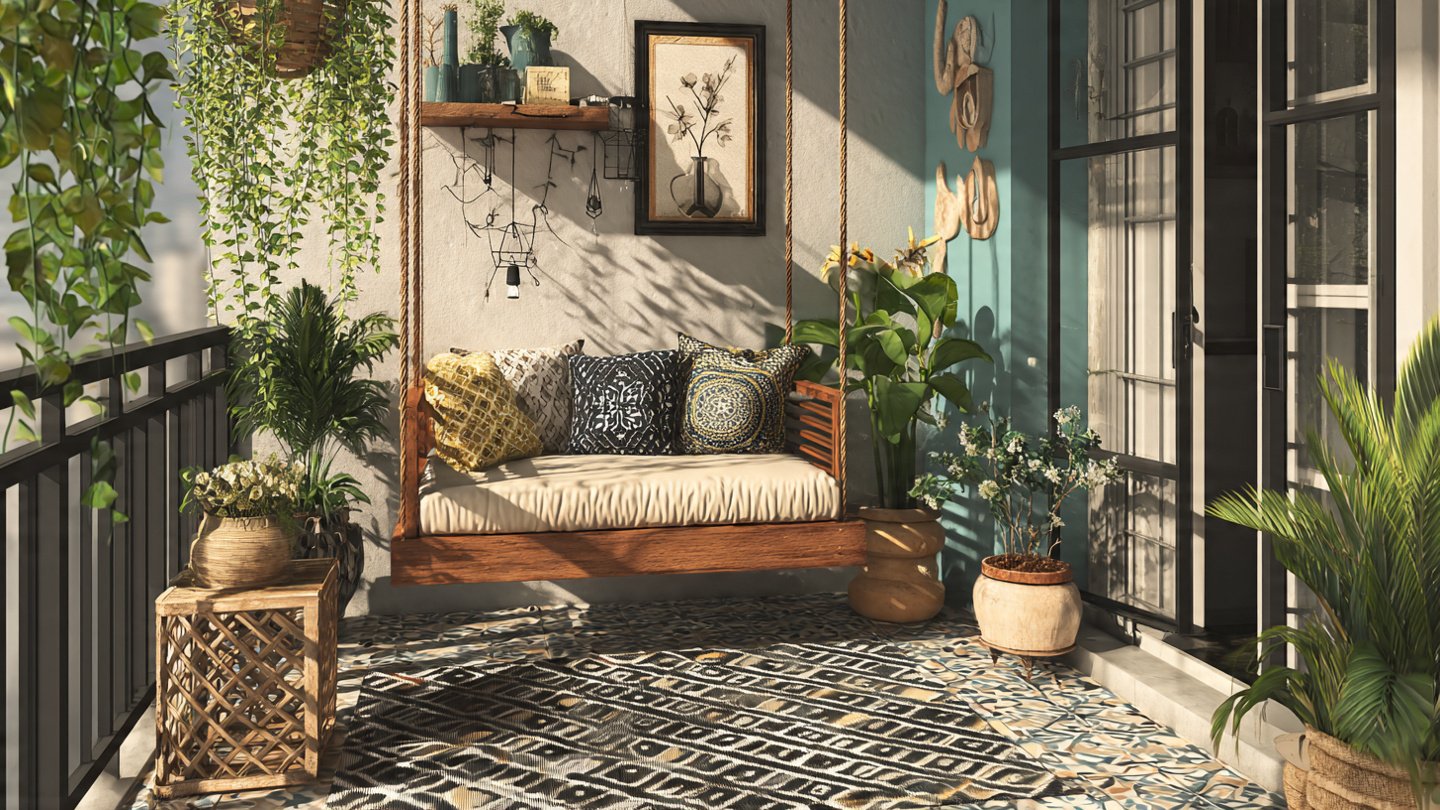
Balconies are one of the most versatile spaces in a home, whether for relaxation, gardening, or enjoying the view. However, in small apartments or compact homes, balcony space is often limited, making smart storage solutions essential. Choosing the right storage for a small balcony not only helps organize your belongings but also ensures the area remains functional, stylish, and uncluttered. In this guide, we’ll explore everything you need to consider when selecting balcony storage for small spaces, including types of storage, materials, sizing, and design tips, so you can maximize your balcony’s potential.
Why Balcony Storage Matters
Even small balconies can become chaotic without proper organization. Effective storage offers several benefits:
- Maximizes Space: Efficient storage frees up usable floor area for seating or plants.
- Protects Items: Outdoor storage shields belongings from weather, dust, and pests.
- Enhances Aesthetic Appeal: Stylish storage solutions can complement your balcony décor.
- Supports Multifunctionality: Storage can double as seating, tables, or planters in compact spaces.
Choosing the right storage transforms a cluttered balcony into an organized, functional, and enjoyable outdoor space.
Step 1: Assess Your Balcony Space
Before purchasing storage, take the time to measure and evaluate your balcony:
- Measure Dimensions: Note the length, width, and height of your balcony to ensure storage fits without overcrowding.
- Identify Obstacles: Check for railing designs, doors, or air conditioning units that could limit storage placement.
- Determine Usage: Decide what you primarily want to store—gardening tools, cushions, cleaning supplies, or other household items.
A clear understanding of your space and storage needs ensures you invest in solutions that are practical and proportionate.
Step 2: Choose the Right Type of Balcony Storage
There are several types of storage suitable for small balconies:
1. Storage Benches
Storage benches are versatile because they serve dual purposes: seating and storage. Features to consider:
- Size: Choose a bench that fits against the railing or wall without blocking movement.
- Material: Weather-resistant wood, metal, or plastic ensures longevity.
- Cushions: Opt for removable cushions for easy cleaning and seasonal changes.
2. Deck Boxes
Deck boxes are compact containers that can hold multiple items:
- Capacity: Check how much volume you need based on items you plan to store.
- Design: Some deck boxes are designed to double as seating or tables.
- Durability: UV-resistant plastic or treated wood withstands outdoor exposure.
3. Vertical Shelves and Racks
When floor space is limited, vertical storage is ideal:
- Tiered Shelves: Perfect for plants, small gardening tools, or decorative items.
- Hanging Racks: Can store lightweight items like planters or small storage bins.
- Adjustable Units: Allow flexibility in spacing and item organization.
4. Cabinets and Lockers
Outdoor cabinets or lockers keep belongings hidden and protected:
- Material: Metal, resin, or treated wood offers weatherproof options.
- Lockable Features: Provides security for valuable items.
- Slim Profiles: Choose narrow cabinets to fit small corners without obstructing movement.
5. Multi-Functional Furniture
For extremely compact spaces, furniture with built-in storage works best:
- Ottomans and Stools: Lift-up tops reveal storage inside.
- Tables with Storage: Coffee tables or side tables can hold cushions, gardening supplies, or small tools.
Selecting the right type of storage depends on your primary needs and available space.
Step 3: Consider Material and Durability
Since balconies are exposed to the elements, material choice is crucial:
- Plastic/Resin: Lightweight, weatherproof, and easy to clean. Ideal for deck boxes and cabinets.
- Treated Wood: Adds natural beauty but requires periodic sealing or maintenance. Teak and cedar are popular options.
- Metal: Aluminum or powder-coated steel is sturdy and rust-resistant but may get hot under direct sunlight.
- Fabric: Waterproof storage bags or bins are flexible but best for covered balconies to prevent water damage.
Durable materials ensure your investment lasts longer while keeping items protected from rain, wind, or sun damage.
Step 4: Optimize Size and Placement
In small balconies, size and placement determine functionality:
- Avoid Oversized Units: Large storage may make the balcony feel cramped and reduce usable space.
- Corner Units: Utilize corners or nooks to maximize floor area.
- Stackable Options: Stack bins or shelves vertically to save ground space.
- Balcony Rail Storage: Some storage solutions hang over the railing or attach to walls, freeing floor space entirely.
Proper sizing and placement keep your balcony functional without sacrificing comfort or aesthetics.
Step 5: Focus on Accessibility and Convenience
Storage is only useful if it’s easy to access:
- Sliding Doors: Easier to use in tight spaces than hinged doors.
- Lift-Up Lids: Storage benches or ottomans with lift-up tops provide quick access.
- Labeling: Label bins or shelves to locate items quickly, especially in vertical storage setups.
- Accessibility for Regular Use: Items used frequently should be stored at arm height or within easy reach, while seasonal or rarely used items can be placed in harder-to-reach spots.
A functional balcony storage system reduces frustration and improves daily convenience.
Step 6: Aesthetic Considerations
Storage solutions should blend seamlessly with your balcony décor:
- Color Matching: Choose colors that complement furniture, plants, and flooring. Neutral tones often work best in small spaces.
- Compact and Sleek Designs: Minimalist styles prevent the balcony from feeling cluttered.
- Dual-Purpose Pieces: Benches, tables, and ottomans with hidden storage maintain visual harmony while offering practical storage.
- Decorative Touches: Add cushions, planters, or decorative baskets to make storage visually appealing.
Balancing aesthetics with function ensures your balcony remains a pleasant outdoor retreat.
Step 7: Additional Tips for Small Balcony Storage
- Use Transparent Bins: Makes it easier to see contents without opening each container.
- Consider Modular Systems: Modular storage can be customized and expanded as needed.
- Rotate Items Seasonally: Keep frequently used items accessible and store seasonal items efficiently.
- Maximize Vertical Space: Tall shelving, hanging baskets, and wall-mounted racks free up floor space.
- Weatherproof Everything: Even covered balconies may experience humidity or rain; ensure storage containers are waterproof and resistant to mold or mildew.
Implementing these tips ensures your small balcony is organized, functional, and visually appealing.
Step 8: Maintenance of Balcony Storage
Maintaining your storage units is crucial for longevity:
- Clean Regularly: Wipe down surfaces to remove dust, dirt, and moisture.
- Inspect for Damage: Check for cracks, rust, or warping, especially in wooden or metal units.
- Reorganize Occasionally: Rotate items to prevent clutter and ensure easy access.
- Protect Cushions and Fabric: Store outdoor cushions inside when not in use or during heavy rain.
Regular maintenance keeps your balcony storage efficient, clean, and safe.
Conclusion
Choosing the best balcony storage for small spaces requires careful planning, attention to detail, and a balance between functionality and aesthetics. Start by assessing your space and understanding what you need to store. Select the right type of storage—benches, deck boxes, vertical shelves, cabinets, or multi-functional furniture—based on your needs, space, and budget. Consider material durability, size, and placement, while prioritizing accessibility and convenience.
Adding aesthetic touches and implementing smart organization strategies ensures your balcony remains clutter-free, visually appealing, and highly functional. With proper care and maintenance, even a small balcony can become an organized, practical, and enjoyable outdoor retreat.
By applying these tips, you can maximize your small balcony’s potential and make the most of every square inch.