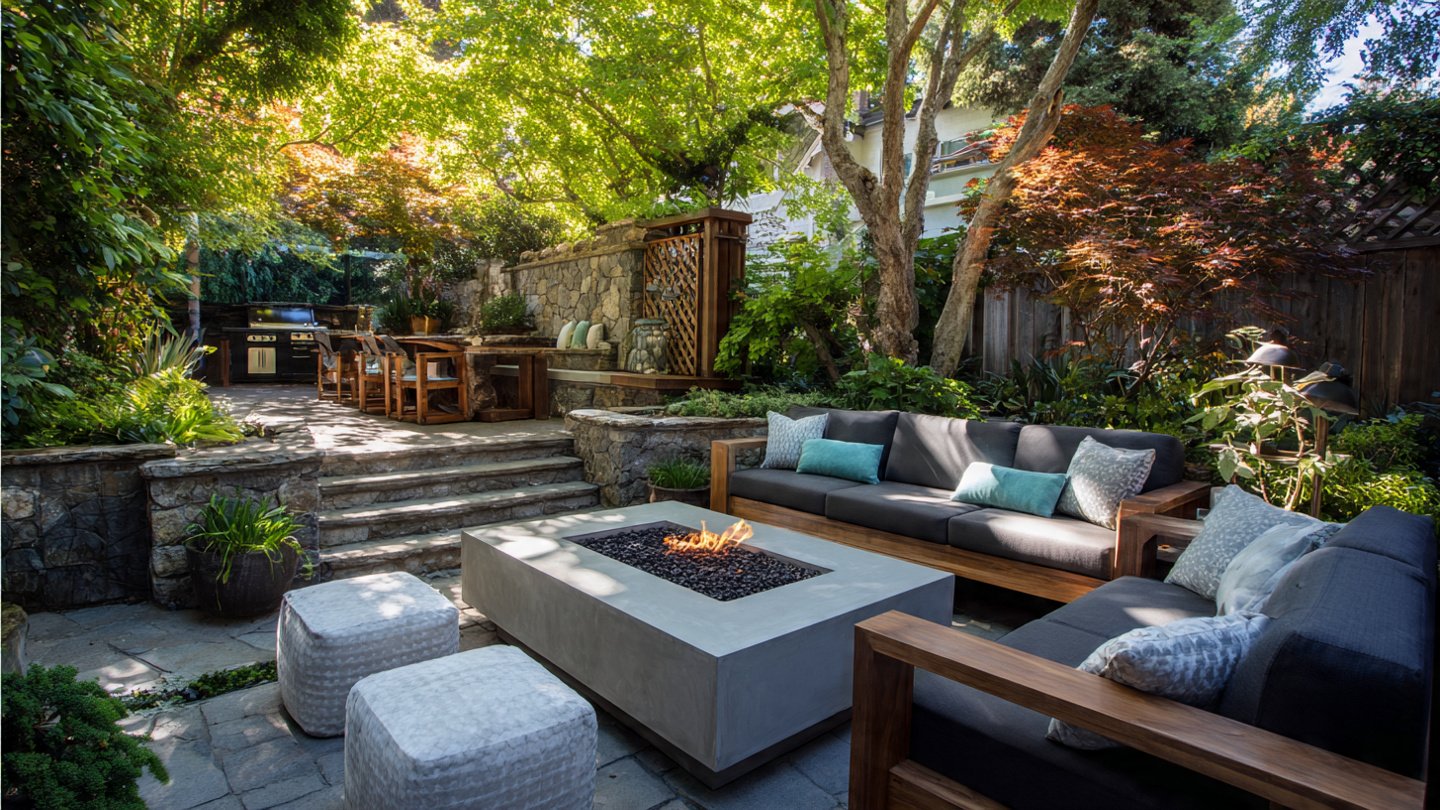
A backyard is more than just an outdoor space—it’s an extension of your home, a place to relax, entertain, and connect with nature. But creating a backyard that is both beautiful and functional requires careful planning, especially when it comes to decorations. Outdoor backyard decoration is about more than just aesthetics; it’s about creating a space that reflects your style, meets your lifestyle needs, and harmonizes with your surroundings.
Whether your backyard is a cozy urban patio, a sprawling suburban lawn, or a compact garden space, choosing the right decorations can transform it into a serene retreat, vibrant entertainment area, or whimsical oasis. This guide will walk you through how to choose the best backyard decorations for your space, covering style, function, materials, and tips for maximizing your outdoor experience.
Step 1: Assess Your Space
Before shopping for decorations, it’s crucial to understand the size, shape, and layout of your backyard. Ask yourself these questions:
- How much space do I have to work with?
- Do I want zones for dining, lounging, gardening, or play?
- What are my sunlight and shade patterns throughout the day?
- Are there existing features (trees, patios, pathways) to highlight or hide?
By assessing your space, you can determine what types of decorations are appropriate. For example, a small backyard may benefit from vertical planters or hanging lights, while a large yard can accommodate fountains, pergolas, or large sculptures.
Mapping your backyard with dimensions, existing structures, and sunlight exposure helps you visualize placement and avoid overcrowding.
Step 2: Define Your Style
Backyard decorations should complement both your home’s architecture and your personal style. Some popular outdoor design styles include:
- Modern/Minimalist: Clean lines, neutral tones, and sleek materials like metal and concrete. Ideal for structured, low-maintenance backyards.
- Rustic/Cottage: Wooden furniture, stone pathways, and vintage accents create a cozy, inviting feel.
- Tropical/Bohemian: Colorful textiles, lush plants, bamboo furniture, and whimsical decor. Perfect for vibrant and relaxed outdoor living.
- Zen/Minimalist Garden: Focus on simplicity, water features, and natural elements like rocks and bamboo for meditation and tranquility.
- Eclectic/Artistic: Mix of colors, patterns, and artistic sculptures for a creative and personalized outdoor space.
Your style choice will guide material selection, color palette, and accessory choices, ensuring a cohesive and visually pleasing backyard.
Step 3: Consider Functionality
Decorations should not only look good but also serve a purpose. Ask yourself:
- Will this space be for entertaining guests, family relaxation, or personal meditation?
- Do I need storage, seating, or shade solutions?
- Will decorations withstand weather conditions in my area?
For example:
- Seating: Benches, hammocks, or outdoor sofas can double as functional art.
- Lighting: Solar-powered string lights, lanterns, and spotlights enhance ambiance while improving safety.
- Water Features: Fountains or ponds add movement and relaxation, also attracting birds and pollinators.
- Garden Accents: Trellises, planters, and sculptures can serve both aesthetic and functional purposes, supporting climbing plants or defining spaces.
Functionality ensures your backyard is enjoyable and practical, not just visually appealing.
Step 4: Choose Durable and Weather-Resistant Materials
Backyard decorations are exposed to the elements, so durability is key. Consider materials that can withstand rain, sun, wind, and temperature fluctuations:
- Metal: Aluminum, stainless steel, and wrought iron are strong and long-lasting, ideal for furniture, sculptures, or pergolas.
- Wood: Teak, cedar, and redwood are naturally resistant to decay, perfect for benches, decks, and planters.
- Plastic and Resin: Lightweight, weather-resistant, and versatile for colorful pots, garden statues, and furniture.
- Stone and Concrete: Excellent for pathways, fountains, and sculptures, with a timeless and sturdy appeal.
- Textiles: Outdoor cushions, rugs, and curtains made from weather-resistant fabrics (like Sunbrella) add comfort and style.
Selecting materials based on local climate ensures that your decorations last longer and remain visually appealing.
Step 5: Incorporate Greenery
No backyard is complete without plants. Your greenery can serve as both decoration and functional design element:
- Trees and Shrubs: Provide shade, privacy, and structure to your backyard layout.
- Flower Beds: Colorful blooms enhance visual appeal and attract pollinators.
- Potted Plants: Ideal for small spaces, patios, or areas where planting in soil is difficult.
- Vertical Gardens: Wall-mounted planters or trellises maximize small spaces while creating a lush backdrop.
- Herb Gardens: Functional and fragrant, perfect for culinary use and aesthetic appeal.
Combining evergreen and seasonal plants ensures your backyard remains visually interesting year-round.
Step 6: Lighting for Mood and Safety
Outdoor lighting serves both practical and decorative purposes. Consider:
- Ambient Lighting: String lights, lanterns, and LED strips create warmth and a cozy atmosphere.
- Task Lighting: Spotlights or pathway lights ensure safe movement around stairs, patios, and walkways.
- Accent Lighting: Highlight sculptures, trees, or water features to create focal points at night.
- Solar Lights: Energy-efficient, eco-friendly, and easy to install without electrical work.
Strategically placed lighting extends the usability of your backyard into the evening and enhances your outdoor aesthetic.
Step 7: Add Focal Points and Unique Decorations
Focal points draw attention and add personality to your backyard. Consider incorporating:
- Water Features: Fountains, ponds, or small waterfalls add movement and soothing sounds.
- Garden Art: Sculptures, wind chimes, or metal art create visual interest.
- Fire Features: Fire pits or chimineas provide warmth, light, and gathering spots.
- Outdoor Furniture Sets: Stylish and comfortable seating areas make your backyard a destination.
- Pergolas and Gazebos: Offer shade and structure, ideal for entertaining or relaxing.
Focal points should reflect your personal taste and complement the overall design, creating a harmonious space.
Step 8: Consider Scale and Proportion
Decorations should match the size and scale of your backyard. Oversized furniture or statues can overwhelm small spaces, while tiny accessories may get lost in a large yard. Tips:
- In small yards, opt for vertical features, compact seating, and subtle decor.
- In large yards, consider multiple focal points, pathways, and layered plantings.
- Keep pathways clear for movement and accessibility.
- Use repetition of colors, textures, or shapes to create a cohesive look.
Proper scale ensures your backyard feels balanced and inviting.
Step 9: Seasonal and Practical Considerations
When choosing decorations, think about year-round usability and maintenance:
- Seasonal Flexibility: Can cushions, fabrics, or lightweight decorations be stored during harsh weather?
- Maintenance Requirements: Some materials need regular sealing, painting, or cleaning.
- Climate Compatibility: Consider humidity, sun exposure, wind, and snow load.
- Storage Solutions: Outdoor storage boxes or sheds protect delicate decorations when not in use.
Choosing decorations with practical longevity saves money, effort, and frustration over time.
Step 10: Budgeting and Prioritizing
Decorating your backyard doesn’t have to break the bank. Consider:
- Set a Budget: Decide how much you want to spend on furniture, lighting, plants, and decor.
- Prioritize Key Elements: Start with large, functional pieces like seating, tables, or water features.
- Layer Accessories Gradually: Add decorative elements like lanterns, sculptures, or planters over time.
- DIY Options: Handcrafted decor, painted pots, or repurposed furniture can save money and add personality.
Budgeting ensures you create a stylish, functional backyard without overspending.
Step 11: Personalizing Your Space
Finally, inject your personality into your backyard decorations:
- Color Scheme: Choose colors that reflect your style and harmonize with your home exterior.
- Textures and Materials: Mix wood, metal, stone, and fabric for visual depth.
- Themed Decor: Incorporate cultural motifs, coastal vibes, tropical flair, or vintage accents.
- Interactive Elements: Swing sets, fire pits, or garden games make the backyard fun for family and guests.
A personalized backyard feels unique and inviting, turning your outdoor space into a reflection of your lifestyle.
Conclusion
Choosing the best backyard decoration for your space involves a balance of style, functionality, durability, and personalization. Start by assessing your backyard, defining your style, and considering how you plan to use the space. Prioritize durable materials and weather-resistant features, incorporate greenery and lighting, and add focal points that enhance visual interest.
Pay attention to scale, seasonality, and budget, while allowing your personality to shine through accessories and thematic decor. Whether you’re creating a peaceful retreat, a lively entertaining area, or a whimsical garden, thoughtful backyard decoration can transform your outdoor space into a beautiful, functional, and inviting oasis.
With careful planning and creative touches, your backyard can become a sanctuary that combines comfort, aesthetics, and enjoyment—perfect for relaxation, entertaining, and connecting with nature every day.