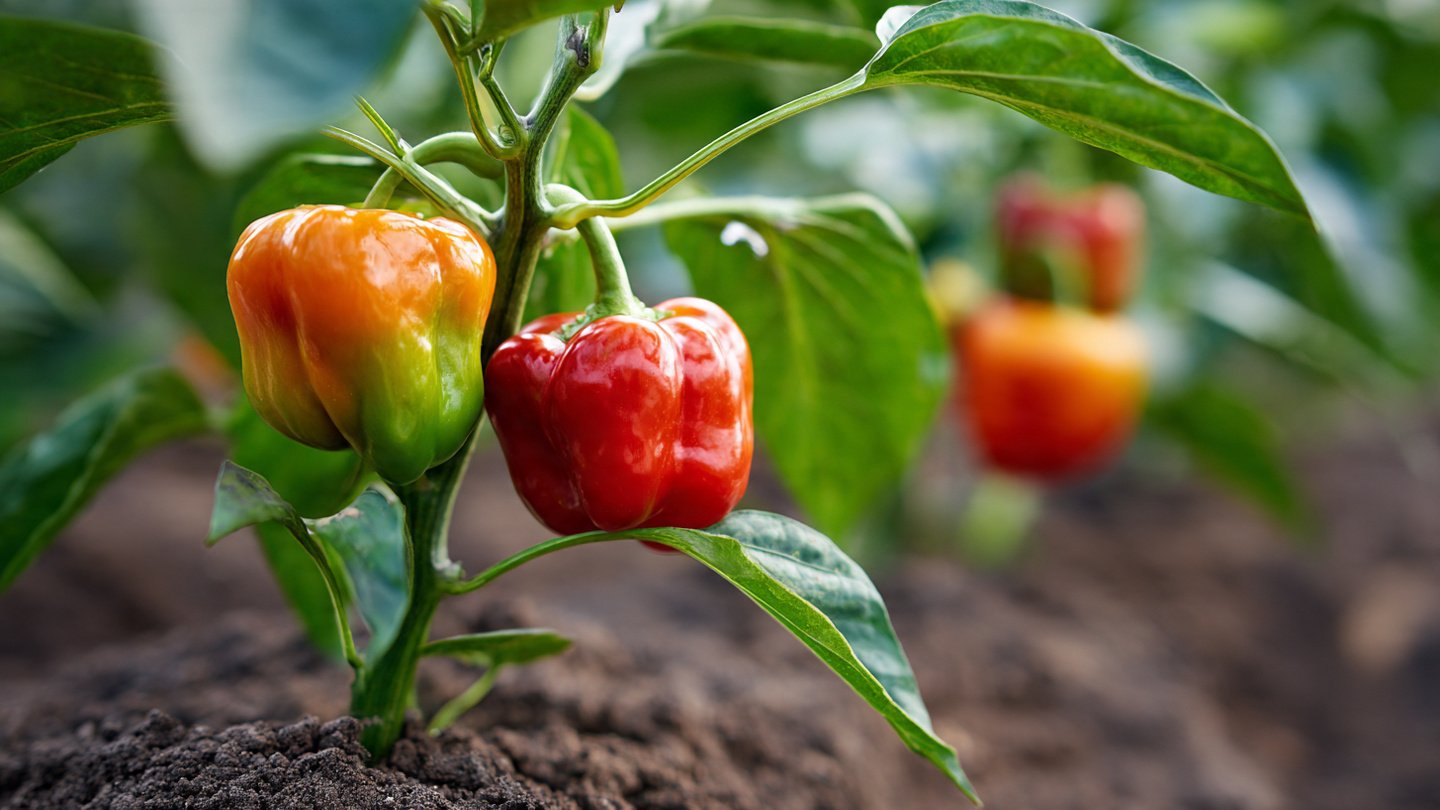
Peppers are one of the most rewarding plants you can grow at home. From sweet bell peppers to fiery chilies, they add color, flavor, and excitement to any garden. But before you rush to plant that first pepper seed, there are a few essential things you should understand. Pepper plants are not difficult to grow, but they do have specific needs that, if ignored, can lead to slow growth, poor yields, or complete failure.
Whether you’re a beginner gardener or someone looking to improve your harvest, knowing these key facts before planting will save time, effort, and frustration. This guide covers the seven most important things you need to know before planting a single pepper seed, setting you up for a successful growing season.
1. Peppers Love Heat More Than You Think
One of the biggest mistakes new gardeners make is planting peppers too early. Peppers are warm-season plants that thrive in heat and struggle in cool conditions.
Pepper seeds germinate best when soil temperatures are between 75–85°F (24–29°C). If the soil is too cool, seeds may take weeks to sprout—or not sprout at all. Even after germination, young pepper plants can become stunted if exposed to cold temperatures.
Before planting, make sure all danger of frost has passed. If starting seeds indoors, use a heat mat to maintain consistent warmth. Outdoors, wait until nighttime temperatures stay above 55°F (13°C).
2. Seed Quality Matters More Than Quantity
Not all pepper seeds are created equal. Old, poorly stored, or low-quality seeds have much lower germination rates, no matter how well you care for them.
Always use fresh seeds from a reliable source. Check seed packets for the packing date and choose seeds less than two years old. If using saved seeds, ensure they were fully mature, dried properly, and stored in a cool, dry place.
Planting too many low-quality seeds won’t compensate for poor viability. A few healthy, high-quality seeds will always outperform a handful of weak ones.
3. Light Is Just as Important as Water
Once pepper seeds sprout, light becomes critical. Insufficient light is one of the main reasons pepper seedlings grow tall, thin, and weak.
Pepper seedlings need 12–16 hours of bright light daily. A sunny window is rarely enough, especially in early spring. Grow lights positioned a few inches above the seedlings provide the best results.
Without adequate light, seedlings will stretch toward the light source, leading to fragile stems that may break or fail to support mature plants later.
4. Soil Quality Can Make or Break Your Plants
Peppers need soil that is loose, well-draining, and rich in nutrients. Heavy, compacted soil restricts root growth and leads to poor plant development.
Before planting, prepare soil with organic matter such as compost or well-rotted manure. The ideal soil pH for peppers ranges from 6.0 to 6.8. Soil that is too acidic or too alkaline can prevent nutrient absorption, even if nutrients are present.
Avoid planting peppers in soil that remains soggy after watering. Good drainage is essential to prevent root rot and disease.
5. Overwatering Is a Common Beginner Mistake
It’s natural to want to care for young pepper plants by watering often, but too much water can be more harmful than too little.
Pepper seeds need moisture to germinate, but once seedlings emerge, they prefer soil that is evenly moist—not soaked. Constantly wet soil deprives roots of oxygen and encourages fungal diseases such as damping-off.
Water only when the top inch of soil feels dry. As plants mature, deeper but less frequent watering encourages strong root development.
6. Peppers Are Slow Starters—Patience Is Essential
Peppers are not fast-growing plants, especially in the early stages. Many gardeners become concerned when pepper seedlings appear small compared to tomatoes or other vegetables.
This slow start is normal. Peppers focus on developing strong roots before putting on top growth. Rushing the process with excess fertilizer or water often leads to problems rather than faster growth.
Once temperatures warm and roots are established, pepper plants usually experience a noticeable growth spurt. Patience in the early stages pays off with healthier plants and better yields.
7. Nutrition Needs Change as the Plant Grows
Pepper plants require different nutrients at different stages of growth. Understanding this before planting helps prevent common problems later.
During early growth, peppers benefit from moderate nitrogen to support leaf development. However, too much nitrogen leads to lush foliage with few flowers or fruits.
As plants mature, they need more phosphorus and potassium to support flowering and fruit production. Using a balanced fertilizer early and switching to a bloom-focused formula later can significantly improve harvests.
Organic options such as compost tea, fish emulsion, or slow-release fertilizers work well and reduce the risk of nutrient burn.
Bonus Tip: Peppers Hate Being Rushed Outdoors
Even after seedlings are strong, moving them outdoors too quickly can cause transplant shock. Hardening off—gradually exposing plants to outdoor conditions—is essential.
Start by placing seedlings outside for one to two hours a day, increasing exposure over a week. This process helps plants adapt to wind, sunlight, and temperature changes, preventing stress and leaf damage.
Common Problems That Start Before Planting
Many pepper-growing issues actually begin before seeds ever touch soil. Cold temperatures, poor soil preparation, low light, and low-quality seeds are often to blame for weak plants and disappointing harvests.
Taking the time to prepare properly before planting sets the foundation for success throughout the growing season.
Why Peppers Are Worth the Effort
Despite their specific needs, peppers are incredibly rewarding to grow. A single healthy plant can produce dozens of fruits, and homegrown peppers are often more flavorful than store-bought ones.
Peppers also come in countless varieties, shapes, colors, and heat levels, allowing you to customize your garden to your tastes. Whether you prefer mild, sweet peppers or blazing-hot chilies, there’s a pepper variety for everyone.
Final Thoughts
Before planting a single pepper seed, understanding these seven key factors can make all the difference. Peppers thrive in warmth, light, and well-prepared soil, and they reward patience with abundant harvests.
By focusing on seed quality, proper timing, soil health, and balanced care, you give your pepper plants the best possible start. Instead of guessing and reacting to problems later, you’ll grow stronger plants from the very beginning.
Take a little extra time before planting, and your pepper garden will thank you all season long.