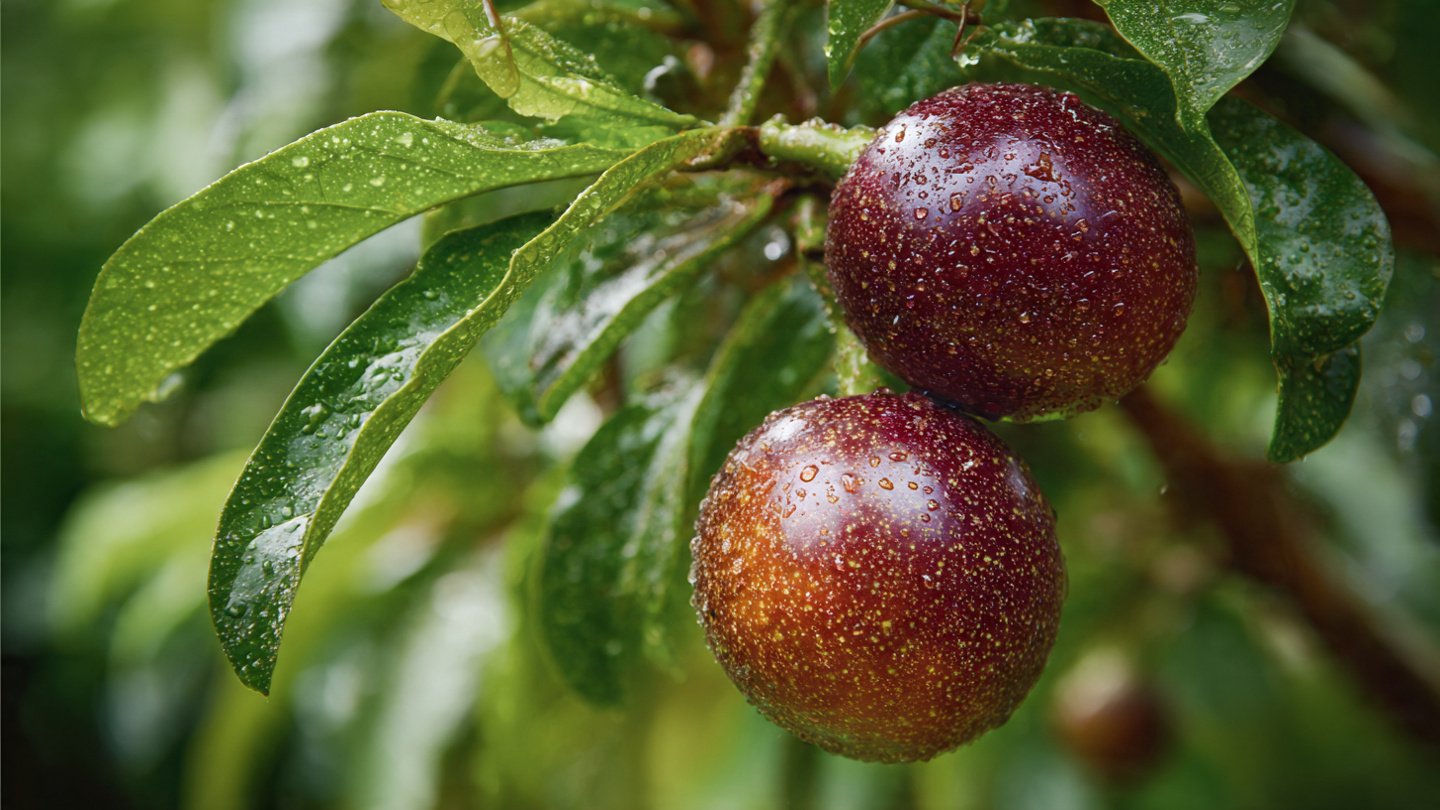
Few fruits capture the taste of the tropics quite like passion fruit. With its fragrant aroma, vibrant pulp, and perfect balance of sweetness and tang, passion fruit feels like a luxury—but it’s one you can grow at home. Whether you have a sunny backyard, a sturdy fence, or even a large container on a patio, passion fruit vines can thrive with the right care.
Growing your own passion fruit is not only rewarding but also sustainable. The vigorous vine grows quickly, produces generously, and adds lush greenery to your space. This complete home guide will walk you through planting, caring for, and harvesting passion fruit so you can enjoy this tropical treasure straight from your garden.
Understanding Passion Fruit Plants
Passion fruit comes from the Passiflora genus, a group of fast-growing, climbing vines native to tropical and subtropical regions. The most commonly grown varieties are purple passion fruit (Passiflora edulis) and yellow passion fruit (Passiflora edulis flavicarpa).
Purple varieties tend to be sweeter and better suited to home gardens, while yellow varieties are more vigorous and thrive in warmer climates. Passion fruit vines are perennial in warm regions and can live for 5–7 years or more with good care.
Choosing the Right Location
Location is critical for successful passion fruit growth. These vines love sunlight and warmth.
Choose a spot that receives at least 6–8 hours of direct sunlight daily. A sunny fence, trellis, pergola, or wall is ideal. Passion fruit vines can grow up to 15–20 feet long, so they need strong support and room to climb.
Good air circulation helps prevent disease, but the plant should also be protected from strong winds, which can damage young vines and flowers.
Growing Passion Fruit from Seeds or Seedlings
You can grow passion fruit either from seeds or nursery-raised seedlings.
Growing from Seeds
Seeds can be collected from ripe passion fruit. Clean the seeds thoroughly and soak them in warm water for 24 hours to improve germination. Sow seeds about half an inch deep in well-draining seed-starting mix. Germination may take 2–4 weeks.
Seed-grown plants may take longer to fruit, but they are rewarding and cost-effective.
Growing from Seedlings
Seedlings are the faster and more reliable option. Choose healthy, disease-free plants from a reputable nursery. Seedlings often produce fruit within 12–18 months.
Preparing the Soil
Passion fruit thrives in rich, well-draining soil. Poor drainage can lead to root rot, one of the most common problems with this plant.
Prepare the soil by mixing garden soil with compost or well-rotted manure. The ideal soil pH ranges from 6.5 to 7.5. If your soil is heavy or clay-based, improve drainage by adding sand or perlite.
For container planting, use a large pot (at least 18–24 inches wide) with quality potting mix and excellent drainage holes.
Planting Passion Fruit
Dig a hole twice as wide and slightly deeper than the root ball. Place the plant in the hole so the crown sits at soil level. Backfill gently and firm the soil around the base.
Water thoroughly after planting to help the roots settle. Apply a layer of mulch around the base to retain moisture and regulate soil temperature, keeping it a few inches away from the stem to prevent rot.
Building Strong Support Structures
Passion fruit vines are climbers and require sturdy support to grow and produce fruit. Install a trellis, wire system, or pergola at planting time to avoid disturbing roots later.
Train the main vine upward and allow side shoots to spread horizontally. Proper training improves air circulation, sunlight exposure, and fruit production.
Watering Requirements
Consistent watering is essential, especially during flowering and fruit development. Passion fruit plants prefer moist but not waterlogged soil.
Water deeply once or twice a week, depending on weather conditions. During hot or dry periods, increase watering frequency. Avoid letting the soil dry out completely, as stress can cause flower and fruit drop.
Good drainage is just as important as regular watering.
Feeding and Fertilizing
Passion fruit vines are heavy feeders and benefit from regular fertilization.
Use a balanced fertilizer rich in potassium and phosphorus to encourage flowering and fruiting. Apply compost or organic fertilizer every 4–6 weeks during the growing season.
Avoid excessive nitrogen, which promotes leafy growth at the expense of flowers and fruit.
Pruning for Healthy Growth
Pruning helps control growth, improves airflow, and boosts fruit production. Remove dead, weak, or tangled vines regularly.
After harvesting, lightly prune the plant to encourage new growth. Major pruning is best done after fruiting, as passion fruit produces fruit on new growth.
Clean pruning tools to prevent disease spread.
Flowering and Pollination
Passion fruit flowers are large, fragrant, and strikingly beautiful. They rely on pollinators such as bees for fruit set. In areas with limited pollinators, hand pollination can improve yields.
To hand pollinate, use a small brush to transfer pollen from the anthers to the stigma in the center of the flower.
Flowers usually appear within the first year under ideal conditions.
Common Pests and Diseases
Passion fruit vines can be affected by pests such as aphids, caterpillars, and fruit flies. Regular inspection helps catch problems early.
Use organic solutions like neem oil or insecticidal soap when needed. Keep the area around the plant clean to reduce pest habitats.
Fungal diseases often result from poor drainage or high humidity. Proper spacing, pruning, and watering practices help prevent these issues.
Harvesting Passion Fruit
Passion fruit is ready to harvest when the fruit changes color and falls naturally from the vine. Ripe fruit may wrinkle slightly, which actually indicates sweetness.
Do not pick unripe fruit, as it will not continue to ripen properly off the vine. Harvest regularly to encourage continued production.
Storing and Using Passion Fruit
Fresh passion fruit can be stored at room temperature for a few days or refrigerated for up to two weeks. The pulp can be scooped out and used immediately or frozen for later use.
Passion fruit is delicious in juices, smoothies, desserts, sauces, and salad dressings. Homegrown fruit often has richer flavor than store-bought varieties.
Benefits of Growing Passion Fruit at Home
Growing passion fruit at home provides fresh, chemical-free produce while enhancing your garden’s beauty. The lush vine offers shade and visual interest, making it both functional and decorative.
It also supports sustainable living by reducing food miles and encouraging self-sufficiency.
Conclusion
Passion fruit is a true tropical treasure that’s surprisingly easy to grow at home. With sunlight, proper care, and patience, a single vine can reward you with abundant harvests for years.
By following this complete guide to planting, caring for, and harvesting passion fruit, you’ll enjoy not only the delicious fruit but also the satisfaction of growing it yourself. From vine to vine-ripened fruit, passion fruit brings a taste of the tropics right to your doorstep.