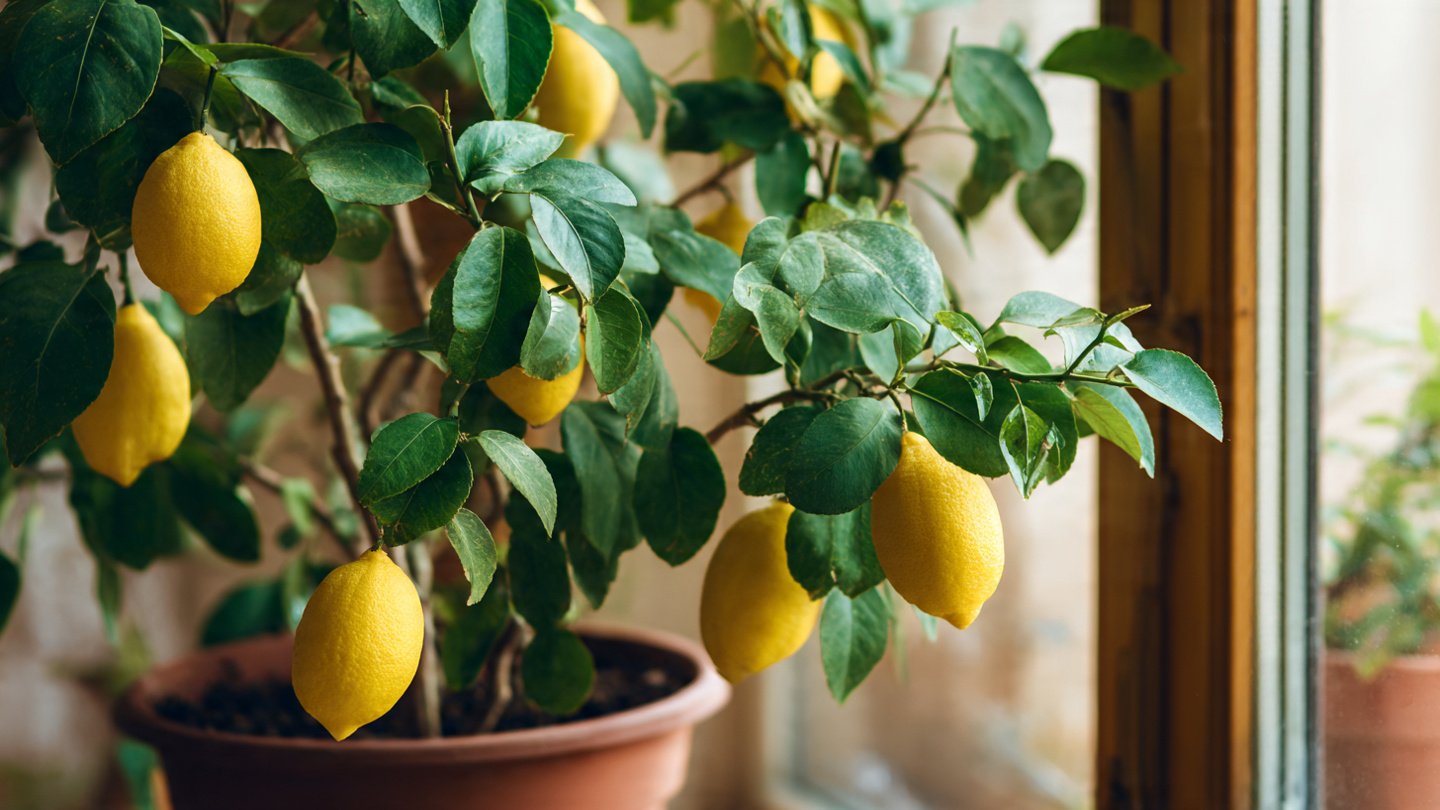
Lemon trees are more than just fruit-bearing plants—they are vibrant, fragrant, and a symbol of sunshine indoors. Growing a lemon tree inside your home can bring fresh, zesty fruit, glossy green leaves, and a burst of natural beauty to your living space. Unlike many indoor plants, lemon trees are relatively high-maintenance, but with the right care, they can thrive year-round, producing abundant fruit and lush foliage.
Whether you live in a cool climate, an apartment, or simply want a cheerful indoor garden centerpiece, this guide will walk you through everything you need to know to keep your indoor lemon tree healthy, productive, and vibrant.
Why Grow a Lemon Tree Indoors?
Indoor lemon trees are becoming increasingly popular for several reasons:
- Fresh Fruit Anytime: Indoor cultivation allows you to enjoy lemons year-round, even in areas with cold winters.
- Air Purification: Lemon trees can help filter indoor air while adding a refreshing citrus aroma.
- Decorative Appeal: Their glossy, bright green leaves and fragrant blossoms make them a stunning addition to any room.
- Small-Space Gardening: Ideal for apartments, patios, or spaces without a garden.
- Therapeutic Gardening: Caring for an indoor fruit tree can reduce stress and bring a sense of accomplishment.
The combination of visual appeal, fragrance, and fresh produce makes indoor lemon trees a rewarding plant for any gardener.
Step 1: Choosing the Right Lemon Tree Variety
Not all lemon trees are suitable for indoor growth. Some varieties are more compact and adaptable to pot life:
- Improved Meyer Lemon: The most popular indoor variety, known for its sweeter, less acidic fruit and compact size.
- Ponderosa Lemon: Produces large fruit and tolerates indoor conditions, though it may require more pruning.
- Lisbon Lemon: Hardy and productive, but it tends to grow larger and may need more space.
Experts recommend dwarf or semi-dwarf varieties for indoor cultivation because they stay manageable and thrive in containers.
Step 2: Selecting the Right Container
Choosing the right pot is critical for an indoor lemon tree:
- Size: Start with a pot at least 12–14 inches in diameter for young trees. As the tree grows, a larger pot (18–24 inches) will allow roots to expand.
- Material: Terracotta, ceramic, or resin pots all work well. Terracotta is breathable but dries out faster; plastic retains moisture longer.
- Drainage: Lemon trees cannot tolerate soggy roots, so multiple drainage holes are essential. Use a saucer to catch excess water but avoid letting the tree sit in standing water.
A properly sized, well-draining pot ensures healthy roots and prevents common problems like root rot.
Step 3: Providing the Right Soil
Lemon trees thrive in well-draining, slightly acidic soil. Regular garden soil or potting soil alone may not be sufficient.
- Recommended Mix: Combine 2 parts high-quality potting soil, 1 part perlite or coarse sand, and 1 part organic compost.
- pH Balance: Lemon trees prefer soil with a pH between 5.5 and 6.5. A soil test kit can help you adjust pH if necessary.
- Avoid Heavy Clay: Dense soils retain too much water, increasing the risk of root rot.
Well-draining soil ensures that water reaches roots without stagnating, promoting vigorous growth and healthy fruiting.
Step 4: Light Requirements
Lemon trees need plenty of bright light to grow strong, produce leaves, and set fruit:
- Sunlight: Place your tree in a south- or west-facing window where it receives at least 8–12 hours of direct sunlight daily.
- Supplemental Light: If natural sunlight is insufficient, especially in winter, use a grow light for 12–14 hours a day. LED or fluorescent grow lights are effective.
- Rotate the Tree: Turn the tree occasionally to ensure even growth and prevent leaves from leaning toward the light source.
Proper lighting encourages photosynthesis, fruit production, and maintains lush, green foliage.
Step 5: Watering Your Indoor Lemon Tree
Watering is a critical aspect of indoor lemon tree care, as both overwatering and underwatering can stress the tree:
- Frequency: Water thoroughly when the top 1–2 inches of soil feels dry.
- Method: Water slowly until excess drains from the bottom. Discard any standing water in the saucer.
- Humidity: Lemon trees prefer moderate humidity. Indoor air in winter may be dry, so consider misting leaves or placing a humidity tray nearby.
Maintaining consistent soil moisture without waterlogging is key to healthy leaves and fruit.
Step 6: Fertilizing Your Lemon Tree
Indoor lemon trees are nutrient-hungry, especially when actively growing or fruiting:
- Fertilizer Type: Use a balanced citrus fertilizer high in nitrogen, with trace elements like magnesium, iron, and zinc.
- Frequency: Fertilize every 4–6 weeks during the growing season (spring through early fall). Reduce or stop feeding in winter when growth slows.
- Method: Follow package instructions carefully, as over-fertilizing can burn roots and damage foliage.
Regular feeding ensures vibrant leaves, strong branches, and juicy fruit.
Step 7: Pruning and Shaping
Pruning helps maintain size, shape, and fruiting potential in container-grown lemon trees:
- Timing: Late winter or early spring is best, before new growth emerges.
- Method: Remove dead or damaged branches and thin crowded areas to improve airflow. Pinch off long, leggy shoots to encourage bushier growth.
- Fruit Management: On young trees, remove some flowers or fruit to reduce stress and encourage root development.
Pruning also enhances aesthetics and allows sunlight to penetrate the canopy, supporting better fruiting.
Step 8: Pollination and Fruit Development
Indoor lemon trees often require some assistance with pollination, as they cannot rely on wind or outdoor insects:
- Hand Pollination: Use a small brush or cotton swab to transfer pollen from flower to flower.
- Flowering Cycle: Lemon trees bloom multiple times a year indoors, depending on light and care.
- Patience: Trees may take 1–2 years before producing significant fruit. Start small and gradually allow them to mature.
Successful pollination ensures a consistent yield of juicy lemons.
Step 9: Managing Pests and Diseases
Even indoor trees are susceptible to pests and diseases:
- Common Pests: Aphids, spider mites, scale insects, and mealybugs. Inspect leaves regularly and remove pests manually or with insecticidal soap.
- Fungal Diseases: Overwatering or poor airflow can lead to root rot or leaf spot. Proper watering, pruning, and ventilation reduce risks.
- Preventative Care: Keep leaves clean, avoid overcrowding plants, and maintain consistent watering practices.
Monitoring and early intervention keep your indoor lemon tree healthy and productive.
Step 10: Seasonal Care
Indoor lemon trees still experience seasonal changes:
- Winter Dormancy: Growth slows in winter. Reduce watering and fertilization but continue providing light.
- Summer Boost: Place the tree outdoors on a balcony or patio for increased sunlight and airflow. Gradually acclimate the tree to outdoor conditions to prevent sunburn.
- Temperature Considerations: Ideal indoor temperatures range from 65–75°F during the day and slightly cooler at night. Avoid cold drafts or sudden temperature changes.
Adjusting care according to seasonal cycles helps your tree thrive year-round.
Expert Tips for a Thriving Indoor Lemon Tree
- Use Mulch: Add a layer of organic mulch to maintain soil moisture and regulate temperature.
- Rotate the Pot: Even lighting ensures symmetrical growth and maximizes fruit production.
- Monitor Leaf Color: Yellowing leaves can indicate overwatering, nutrient deficiencies, or light issues.
- Be Patient: Fruit development takes time; small trees may take a few years to produce a significant harvest.
- Enjoy the Fragrance: Indoor lemon blossoms are aromatic; place near seating areas to appreciate the natural scent.
Conclusion
Caring for an indoor lemon tree requires attention, but the rewards are immense. From bright, glossy leaves to juicy, homegrown lemons, these trees add color, fragrance, and flavor to your home. By choosing the right variety, providing proper light, water, soil, and nutrients, and maintaining seasonal care, you can keep your lemon tree thriving and productive year after year.
Indoor lemon trees combine the joys of gardening with practical benefits, allowing you to harvest fresh fruit no matter where you live. With patience, consistent care, and a bit of hand-pollination, your lemon tree can become a centerpiece of your home and a source of fresh, flavorful lemons for cooking, drinks, and desserts.
By understanding and following these expert tips, anyone can cultivate a thriving indoor lemon tree that brings beauty, aroma, and delicious fruit all year round.