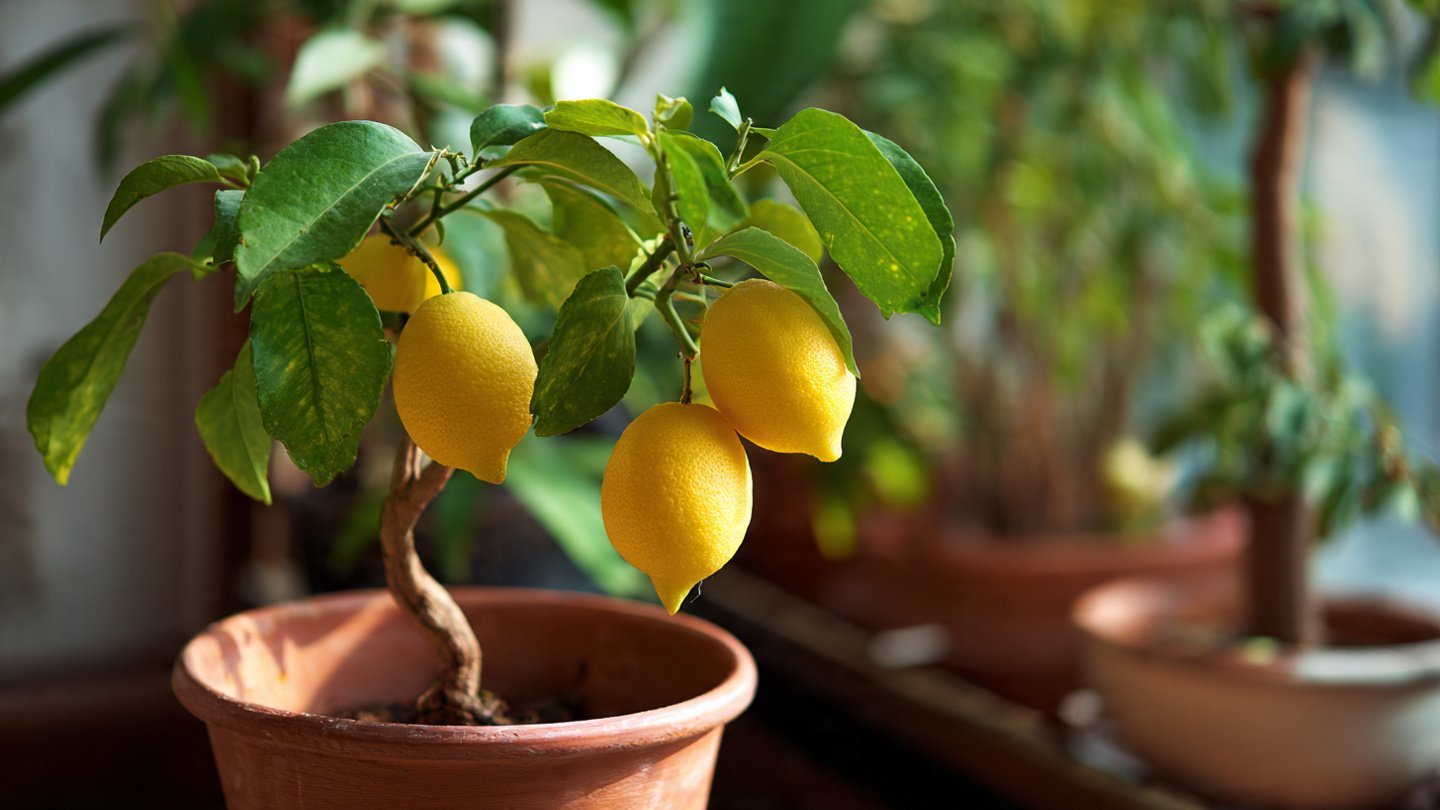
Lemon trees are one of the most rewarding plants to grow at home. Their bright, fragrant fruits and glossy green leaves bring a touch of the tropics to any indoor or balcony garden. While many gardeners buy nursery-grown plants, you can start a lemon tree from seeds sourced from the lemons you enjoy in your kitchen. Growing lemons from seed is a slow but highly satisfying process, allowing you to transform everyday kitchen scraps into a thriving citrus tree. This guide will take you step by step from seed selection to harvesting your own homegrown lemons.
Choosing the Right Lemon for Seeds
Not all lemons are created equal when it comes to growing from seeds. Selecting the right fruit will give your tree the best chance of success.
- Variety matters: Meyer lemons are ideal for beginners due to their smaller size, sweeter taste, and adaptability to indoor conditions. Lisbon and Eureka lemons are also options but tend to produce larger trees.
- Fresh and ripe: Use seeds from fully ripe, healthy lemons. Overripe or damaged fruits can produce weaker seeds.
- Organic fruits: Organic lemons are preferred because non-organic varieties may be treated with chemicals that reduce seed viability.
Preparing Lemon Seeds
Proper seed preparation increases the chances of germination. Follow these steps:
- Extract the seeds: Cut the lemon and remove the seeds carefully.
- Clean the seeds: Rinse off all fruit pulp under lukewarm water to prevent mold.
- Optional peeling: Some gardeners lightly peel off the seed coat to speed up germination. Be careful not to damage the inner seed.
- Soak the seeds: Place the seeds in a cup of water for 8–12 hours. Soaking softens the seed coat and encourages sprouting.
Germinating Lemon Seeds
Germination is the first critical step in growing a lemon tree. Here’s how to do it successfully:
- Container: Use a small seed tray, cup, or pot with drainage holes.
- Soil: Choose a light, well-draining seed-starting mix. Avoid garden soil, which can compact and hinder sprouting.
- Planting depth: Sow the seeds about ½ inch deep. Cover lightly with soil.
- Moisture: Keep the soil consistently moist but not waterlogged. Using a spray bottle is ideal.
- Temperature: Lemon seeds germinate best in warm conditions, around 70–75°F (21–24°C).
Germination typically occurs in 2–4 weeks, though some seeds may take longer. Covering the container with plastic wrap or a clear lid can help maintain humidity, creating a mini-greenhouse effect.
Transplanting Seedlings
Once your seeds sprout, it’s time to transplant them into larger pots.
- Choose a pot: Start with a 6–8 inch container for each seedling. Ensure it has drainage holes.
- Soil: Use a citrus-specific or well-draining potting mix, enriched with compost.
- Transplant carefully: Gently move seedlings with their root ball intact to avoid root damage.
- Watering: Water thoroughly after transplanting and keep soil evenly moist.
Seedlings should be placed in bright, indirect sunlight for the first few weeks to prevent stress from sudden exposure to direct light.
Caring for Young Lemon Trees
Young lemon trees require consistent care to grow strong and healthy. Focus on four key areas: light, water, nutrients, and temperature.
Light:
- Lemon trees need 8–12 hours of sunlight per day. A south-facing window is ideal.
- If sunlight is limited, supplement with grow lights to prevent leggy growth.
Watering:
- Keep the soil evenly moist but avoid overwatering.
- Container-grown trees are sensitive to waterlogging, which can cause root rot.
Temperature and humidity:
- Lemon trees thrive in warm conditions (65–85°F or 18–29°C).
- Maintain moderate humidity, especially in dry indoor environments, by misting leaves or using a humidity tray.
Fertilization:
- Young seedlings benefit from a balanced, water-soluble fertilizer every 4–6 weeks.
- Use fertilizers specifically formulated for citrus trees, which contain essential micronutrients like magnesium, iron, and zinc.
Pruning and Shaping
Pruning young trees encourages a strong structure and prevents them from becoming leggy.
- Remove dead, damaged, or crowded branches.
- Pinch the tips of young seedlings to promote bushy growth.
- Avoid heavy pruning until the tree is well established.
Pruning not only shapes the tree but also improves airflow, reducing the risk of fungal diseases.
Potting and Repotting
As your lemon tree grows, it will need progressively larger containers to accommodate its roots.
- Initial pots: Start with 6–8 inch pots for seedlings.
- Intermediate pots: After 6–12 months, move the tree to a 12–18 inch container.
- Mature trees: Eventually, you may need a 24–30 inch container to support fruiting and maintain stability.
Always use pots with drainage holes and refresh the soil during repotting to maintain nutrient levels.
Flowering and Pollination
Lemon trees grown from seed can take 3–5 years to flower and produce fruit, depending on conditions.
- Flowers are fragrant and white, appearing on mature branches.
- Most lemon trees are self-pollinating, but hand pollination can increase fruit yield. Use a small paintbrush to transfer pollen between flowers.
Pest and Disease Management
Even homegrown lemon trees are susceptible to pests and diseases. Regular monitoring is essential.
Common pests:
- Aphids: Small green or black insects on young shoots.
- Spider mites: Tiny red dots causing leaf discoloration.
- Scale insects: Hard brown bumps on stems and leaves.
Common diseases:
- Root rot: Caused by overwatering and poor drainage.
- Leaf spot: Fungal infections appearing as brown or yellow spots.
Prevent problems by maintaining proper watering, good airflow, and regular inspections. Neem oil or insecticidal soap can treat most minor infestations.
Harvesting Lemons
Patience is key when growing lemons from seed. Once your tree matures:
- Look for fully yellow lemons that are firm but slightly soft to the touch.
- Twist or cut fruit gently to avoid damaging branches.
- Homegrown lemons may be smaller initially but are flavorful and chemical-free.
Even if your seed-grown tree takes several years to fruit, the process of nurturing it from a kitchen seed to a mature tree is highly rewarding.
Tips for Success
- Start multiple seeds: Not all seeds will germinate, so planting several increases your chances of success.
- Keep a warm, bright environment: Consistent light and warmth encourage faster growth.
- Be patient: Seed-grown lemon trees take years to fruit but are resilient and long-lived.
- Rotate containers: This ensures even growth on all sides.
- Fertilize regularly: Container soil depletes quickly, so consistent nutrients are essential.
Benefits of Growing Lemon Trees From Seeds
- Cost-effective: Transform kitchen scraps into a thriving plant.
- Sustainable: Reduces food waste and promotes eco-friendly gardening.
- Educational: Growing from seed teaches patience, care, and plant biology.
- Decorative and practical: Lemon trees brighten indoor spaces with green foliage and fragrant blossoms while producing fresh fruit.
Conclusion
Growing a lemon tree from seeds at home is a journey of patience, care, and reward. With the right seeds, soil, containers, and care, you can turn simple kitchen scraps into a thriving citrus tree that provides both aesthetic beauty and delicious fruit. While it may take years to see your first lemon, the process cultivates not just a plant, but also a deeper connection to your garden and the food you consume. From germination to the first fragrant blossoms and eventual harvest, each stage of growth is a step toward citrus success in your home. By following this guide, you can embark on a fulfilling gardening adventure that transforms your kitchen scraps into a thriving lemon tree, bringing fresh fruit, fragrance, and a sense of accomplishment to your home.