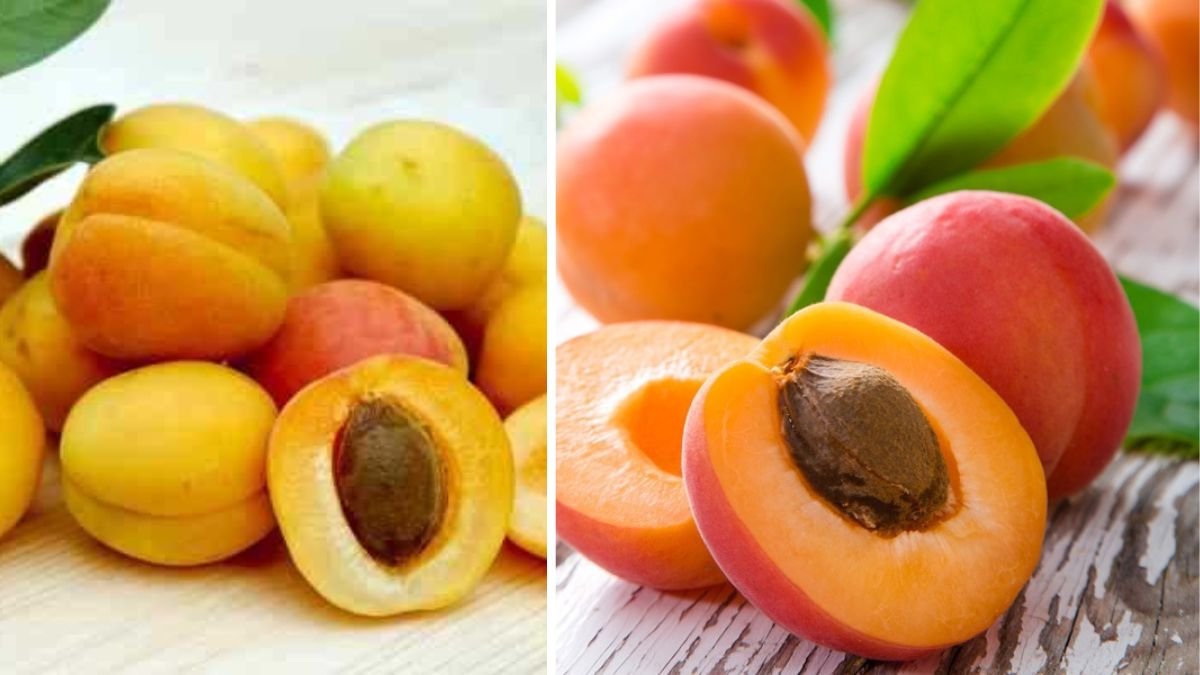
Dried apricots, often called khumani in South Asian households, are more than just a delicious snack. They have been cherished for centuries not only for their sweet, tangy flavor but also for their impressive nutritional profile. Packed with vitamins, minerals, and antioxidants, dried apricots are a convenient and versatile addition to your diet. Unlike fresh apricots, which are seasonal, dried apricots are available year-round, making it easier to enjoy their health benefits whenever you like. Let’s explore seven compelling reasons to incorporate dried apricots into your daily routine.
1. Rich Source of Dietary Fiber
One of the most notable benefits of dried apricots is their high dietary fiber content. Fiber is essential for maintaining healthy digestion and promoting regular bowel movements. A 100-gram serving of dried apricots provides around 7 grams of dietary fiber, which supports gut health and prevents constipation.
- Digestive health: Fiber adds bulk to stool, helping food pass smoothly through the digestive tract.
- Weight management: High-fiber foods help you feel full longer, reducing the likelihood of overeating.
- Cholesterol control: Soluble fiber binds with cholesterol in the digestive system, helping reduce overall cholesterol levels.
For individuals struggling with digestive issues, incorporating dried apricots into breakfast cereals, smoothies, or salads can improve gut function naturally.
2. Boosts Eye Health
Dried apricots are a natural source of vitamin A and beta-carotene, both of which are crucial for maintaining healthy vision. Vitamin A helps protect the cornea, supports good night vision, and reduces the risk of age-related macular degeneration.
- Vitamin A content: Just 100 grams of dried apricots can provide nearly 50% of the daily recommended intake of vitamin A.
- Antioxidant protection: Beta-carotene, an antioxidant present in apricots, protects eyes from oxidative stress that can damage cells and tissues.
Including khumani in your diet can help maintain optimal eye health, especially for those who spend long hours in front of screens or in low-light conditions.
3. Supports Heart Health
Heart health benefits of dried apricots are primarily linked to their potassium content. Potassium is a mineral that plays a vital role in regulating blood pressure, heart rate, and electrolyte balance.
- Blood pressure regulation: Potassium helps counteract the effects of sodium, reducing hypertension risk.
- Reduced risk of heart disease: Diets rich in potassium are associated with lower risks of stroke and cardiovascular complications.
- Cholesterol management: Fiber in dried apricots further contributes to heart health by lowering LDL (bad cholesterol) levels.
By adding a handful of dried apricots to your daily diet, you can naturally support cardiovascular function and promote a healthier heart.
4. Strengthens Bones
Dried apricots contain several minerals essential for bone health, including calcium, potassium, and magnesium. These minerals work together to maintain bone density and strength, reducing the risk of osteoporosis as we age.
- Calcium: Supports bone formation and repair.
- Magnesium: Enhances calcium absorption and plays a role in bone mineralization.
- Potassium: Helps maintain calcium balance in the body, protecting bones from demineralization.
For individuals, especially postmenopausal women, adding dried apricots to daily snacks can serve as a natural, tasty strategy to maintain bone health.
5. Boosts Immune System
A strong immune system relies on essential vitamins and antioxidants, both of which are abundant in dried apricots. Vitamin C, though reduced in dried form, is still present, while antioxidants like beta-carotene and polyphenols help protect the body against infections.
- Antioxidants: Neutralize free radicals, reducing oxidative stress that can compromise immunity.
- Vitamins and minerals: Support white blood cell production and overall immune function.
Consuming khumani regularly can help the body fight off common colds, flu, and other infections more effectively, especially during seasonal changes.
6. Promotes Healthy Skin
The antioxidants and vitamins in dried apricots also benefit the skin. Beta-carotene converts to vitamin A in the body, which is essential for skin repair and cell turnover. Additionally, vitamins C and E (found in smaller amounts) protect the skin from damage caused by sun exposure and environmental pollutants.
- Anti-aging properties: Antioxidants prevent premature wrinkles and fine lines by combating free radical damage.
- Hydration and texture: Potassium and natural sugars in khumani help retain moisture in skin cells, keeping the skin supple.
- Acne prevention: The fiber in dried apricots helps detoxify the body, potentially reducing skin issues like acne.
A small handful of dried apricots each day can contribute to a natural glow from within, making them a nutritious alternative to topical treatments.
7. Regulates Blood Sugar Levels
Although dried apricots contain natural sugars, they have a low to moderate glycemic index, meaning they release sugar slowly into the bloodstream. Combined with their fiber content, they can help regulate blood sugar levels, making them suitable for people with diabetes in controlled portions.
- Fiber slows absorption: Helps prevent sudden spikes in blood sugar.
- Magnesium support: Magnesium in apricots aids in insulin function and glucose metabolism.
- Natural energy source: Provides a healthy energy boost without refined sugar.
Eating dried apricots as part of a balanced diet, along with other low-glycemic foods, can support stable blood sugar levels and overall energy.
How to Include Dried Apricots in Your Diet
Dried apricots are versatile and easy to incorporate into your meals and snacks:
- Snacks: Eat a handful directly for a quick, nutritious snack.
- Breakfast: Chop them into oatmeal, yogurt, or smoothie bowls.
- Salads: Add for a sweet-tangy flavor to green salads or grain bowls.
- Baking: Use in muffins, cakes, or energy bars for natural sweetness.
- Cooking: Pair with chicken or lamb in savory dishes for a rich flavor profile.
Remember to soak dried apricots in water for 15-30 minutes before eating if you have digestive sensitivity, as soaking can make them easier to digest and enhance nutrient absorption.
A Word on Moderation
While dried apricots are highly nutritious, they are calorie-dense due to natural sugars. Eating too many at once can lead to excess calorie intake or mild digestive discomfort. A typical serving of 5–6 dried apricots per day is sufficient to reap the health benefits without overloading your system.
Additionally, choose apricots without added sugars or preservatives to maximize their nutritional value. Organic varieties or naturally sun-dried options are ideal.
Conclusion
Dried apricots, or khumani, are much more than a sweet treat. Their rich content of fiber, vitamins, minerals, and antioxidants makes them a powerhouse for overall health. From improving digestion and supporting heart and bone health to boosting immunity, enhancing skin, and stabilizing blood sugar levels, these tiny golden fruits offer an impressive range of benefits.
Including a handful of dried apricots in your daily routine—whether as a snack, in breakfast bowls, salads, or baked goods—can help you enjoy these advantages conveniently and deliciously. For anyone seeking a natural, nutrient-rich addition to their diet, khumani is a smart, tasty choice that promotes long-term wellness.
So, next time you reach for a snack, consider dried apricots. Your digestive system, heart, skin, and energy levels will thank you, and you’ll enjoy a sweet, healthy treat that supports your well-being year-round.