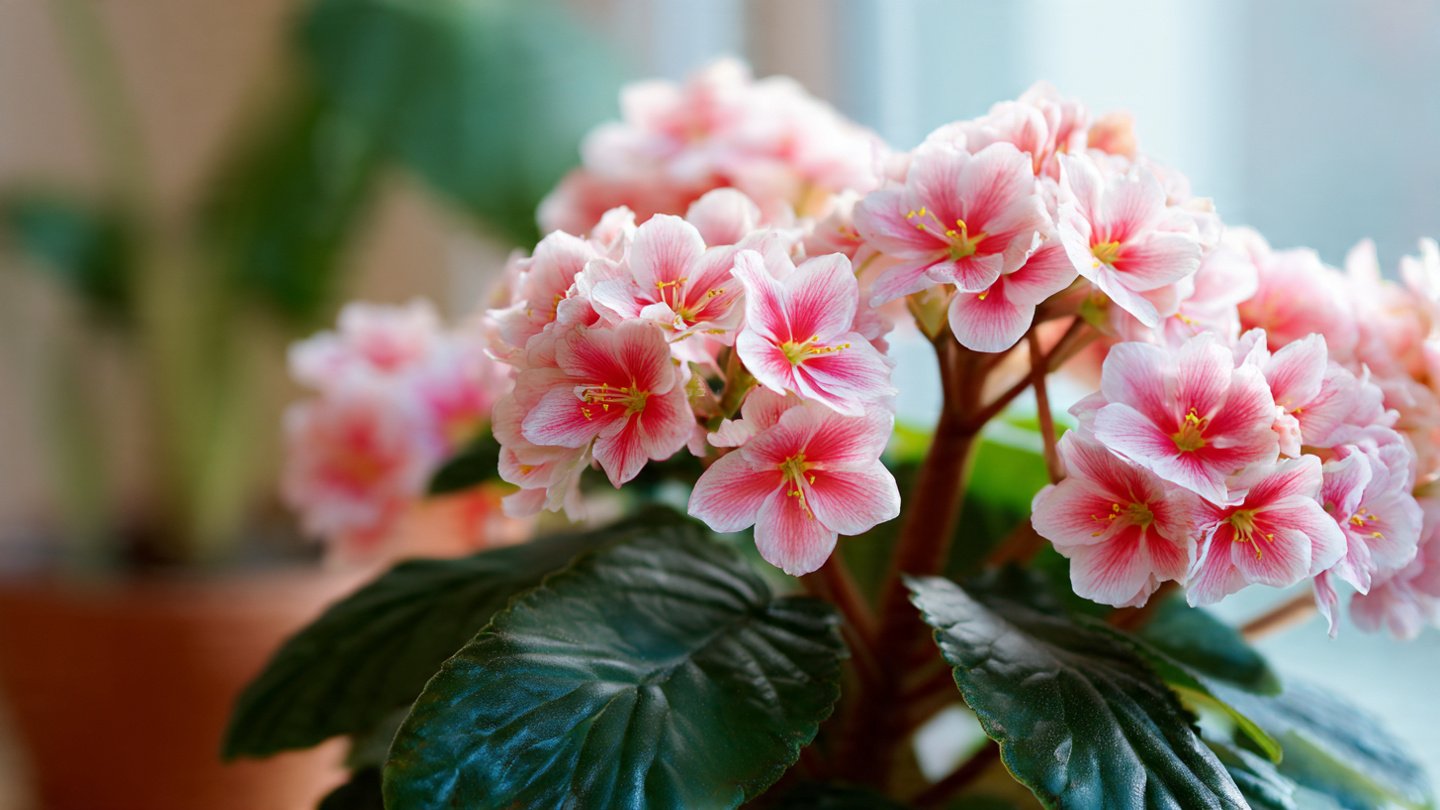
Houseplants have long been a favorite way to bring life into our homes, but flowering houseplants do something extra—they infuse vibrancy, texture, and seasonal interest into interior spaces. Unlike leafy green plants that primarily offer foliage, flowering houseplants provide colorful blooms that can brighten any room, uplift your mood, and even improve air quality.
Whether you’re seeking low-maintenance blooms for a kitchen windowsill or dramatic flowers for a living room centerpiece, this guide presents 20 flowering houseplants that will transform your interiors into colorful indoor gardens.
1. African Violet (Saintpaulia)
- Color: Purple, pink, white, lavender
- Care: Prefers bright, indirect light and consistently moist soil.
- Why It’s Great: Compact and long-blooming, African violets thrive in small spaces, making them ideal for windowsills or desks.
2. Peace Lily (Spathiphyllum)
- Color: White
- Care: Low-light tolerant, requires moderate watering.
- Why It’s Great: Peace lilies produce elegant white blooms almost year-round and are known for their air-purifying abilities.
3. Orchids (Phalaenopsis)
- Color: White, pink, purple, yellow
- Care: Indirect light and well-draining orchid mix; water weekly.
- Why It’s Great: Orchids are sophisticated and long-lasting, perfect for modern living rooms or bedrooms.
4. Kalanchoe
- Color: Red, orange, yellow, pink
- Care: Bright light and dry-tolerant soil; water sparingly.
- Why It’s Great: Succulent-like leaves and vibrant blooms make Kalanchoe a hardy indoor flowering plant.
5. Anthurium (Flamingo Flower)
- Color: Red, pink, white
- Care: Prefers bright, indirect light and evenly moist soil.
- Why It’s Great: Glossy, heart-shaped flowers add tropical elegance to living spaces.
6. Begonia
- Color: Pink, red, white, orange
- Care: Bright indirect light and moderate watering; avoid overwatering.
- Why It’s Great: With both flowers and attractive foliage, begonias are a versatile choice for indoor plant displays.
7. Bromeliad
- Color: Red, pink, orange, yellow
- Care: Indirect light and minimal watering; keep water in the central cup.
- Why It’s Great: Exotic and long-lasting, bromeliads add a pop of tropical color to shelves or tables.
8. Lipstick Plant (Aeschynanthus radicans)
- Color: Red
- Care: Prefers bright, indirect light and well-draining soil.
- Why It’s Great: Trailing habit makes it perfect for hanging baskets or high shelves.
9. Cyclamen
- Color: Pink, red, white, purple
- Care: Cooler indoor temperatures and moist soil; avoid water on leaves.
- Why It’s Great: Winter-blooming cyclamen brighten interiors when most plants are dormant.
10. Christmas Cactus (Schlumbergera)
- Color: Red, pink, white, purple
- Care: Bright, indirect light; allow soil to dry between waterings.
- Why It’s Great: Blooms during winter, making it a festive addition to holiday decor.
11. Jasmine (Jasminum polyanthum)
- Color: White or pink
- Care: Bright light and moderate watering.
- Why It’s Great: Fragrant flowers create a sensory experience in addition to visual beauty.
12. Hibiscus
- Color: Red, pink, yellow, orange
- Care: Needs bright sunlight and regular watering.
- Why It’s Great: Large, tropical blooms make hibiscus a dramatic centerpiece in sunny rooms.
13. Crown of Thorns (Euphorbia milii)
- Color: Red, pink, yellow
- Care: Thrives in bright light and well-draining soil; drought-tolerant.
- Why It’s Great: A hardy succulent with long-lasting blooms and architectural appeal.
14. Primrose (Primula)
- Color: Red, pink, yellow, purple
- Care: Bright indirect light; keep soil moist.
- Why It’s Great: Compact and cheerful, primroses are ideal for table displays.
15. Calceolaria (Slipper Flower)
- Color: Yellow, orange, red
- Care: Indirect light, cool temperatures, consistent moisture.
- Why It’s Great: Unique pouch-shaped flowers add whimsy and texture to indoor arrangements.
16. Geranium (Pelargonium)
- Color: Red, pink, white, purple
- Care: Bright light and moderate watering; deadhead spent blooms.
- Why It’s Great: Long-blooming and adaptable, geraniums brighten sunlit spaces.
17. Gloxinia (Sinningia speciosa)
- Color: Red, purple, pink, white
- Care: Bright indirect light and high humidity; keep soil moist but not waterlogged.
- Why It’s Great: Large, velvety blooms provide a striking indoor statement.
18. Lipstick Begonia (Begonia boliviensis)
- Color: Red
- Care: Bright, indirect light; water moderately.
- Why It’s Great: Trailing flowers are perfect for hanging planters or elevated surfaces.
19. Cape Primrose (Streptocarpus)
- Color: Blue, purple, pink, white
- Care: Bright, indirect light; keep soil lightly moist.
- Why It’s Great: Delicate, elegant flowers that bloom for extended periods.
20. Hoya (Hoya carnosa)
- Color: White or pink star-shaped clusters
- Care: Bright indirect light and well-draining soil; tolerate drought.
- Why It’s Great: Trailing vines with fragrant, waxy flowers add charm to shelves or hanging baskets.
Tips for Maintaining Flowering Houseplants
- Light Requirements: Check each plant’s light needs—bright windows vs. low-light rooms.
- Watering: Overwatering is a common cause of plant stress. Use soil moisture as a guide.
- Fertilization: Blooming plants benefit from a regular feeding schedule, typically with a balanced, water-soluble fertilizer during the growing season.
- Humidity: Tropical flowering plants often prefer higher humidity—consider pebble trays or room humidifiers.
- Deadheading: Remove spent blooms to encourage further flowering and keep plants looking neat.
- Pest Management: Keep an eye out for common houseplant pests like aphids, mealybugs, and spider mites.
Styling Flowering Houseplants Indoors
- Windowsills: Small plants like African violets or primroses thrive here.
- Tables and Desks: Cyclamen or gloxinia make perfect centerpieces.
- Hanging Baskets: Lipstick plants, hoya, or trailing begonias add vertical interest.
- Groupings: Combine plants with complementary bloom colors and foliage textures to create indoor mini-gardens.
- Modern Minimalist Decor: Single, tall blooms in sleek pots (like peace lilies or anthuriums) create a dramatic effect.
Why Flowering Houseplants Make a Difference
Flowering houseplants do more than decorate—they:
- Boost Mood: Bright colors and fragrant blooms reduce stress and improve wellbeing.
- Enhance Air Quality: Many flowering plants, like peace lilies, filter toxins and improve indoor air.
- Provide Year-Round Color: By selecting plants with different bloom times, you can have a continuous indoor garden display.
- Encourage Mindfulness: Caring for flowering plants is therapeutic, giving daily purpose and a connection to nature.
Final Thoughts
Adding flowering houseplants to your home is a simple yet transformative way to infuse color, life, and energy into your interiors. From the delicate African violet to the dramatic hibiscus, these 20 plants offer a wide range of options for every style, room, and skill level. By considering light, watering, and bloom times, you can create a vibrant indoor garden that changes with the seasons while brightening your daily life.
Whether you’re decorating a cozy windowsill, a modern console, or a sunlit living room, flowering houseplants are a natural way to bring the outdoors in and elevate your home with color, texture, and beauty. 🌸